Physical Address
304 North Cardinal St.
Dorchester Center, MA 02124
Physical Address
304 North Cardinal St.
Dorchester Center, MA 02124

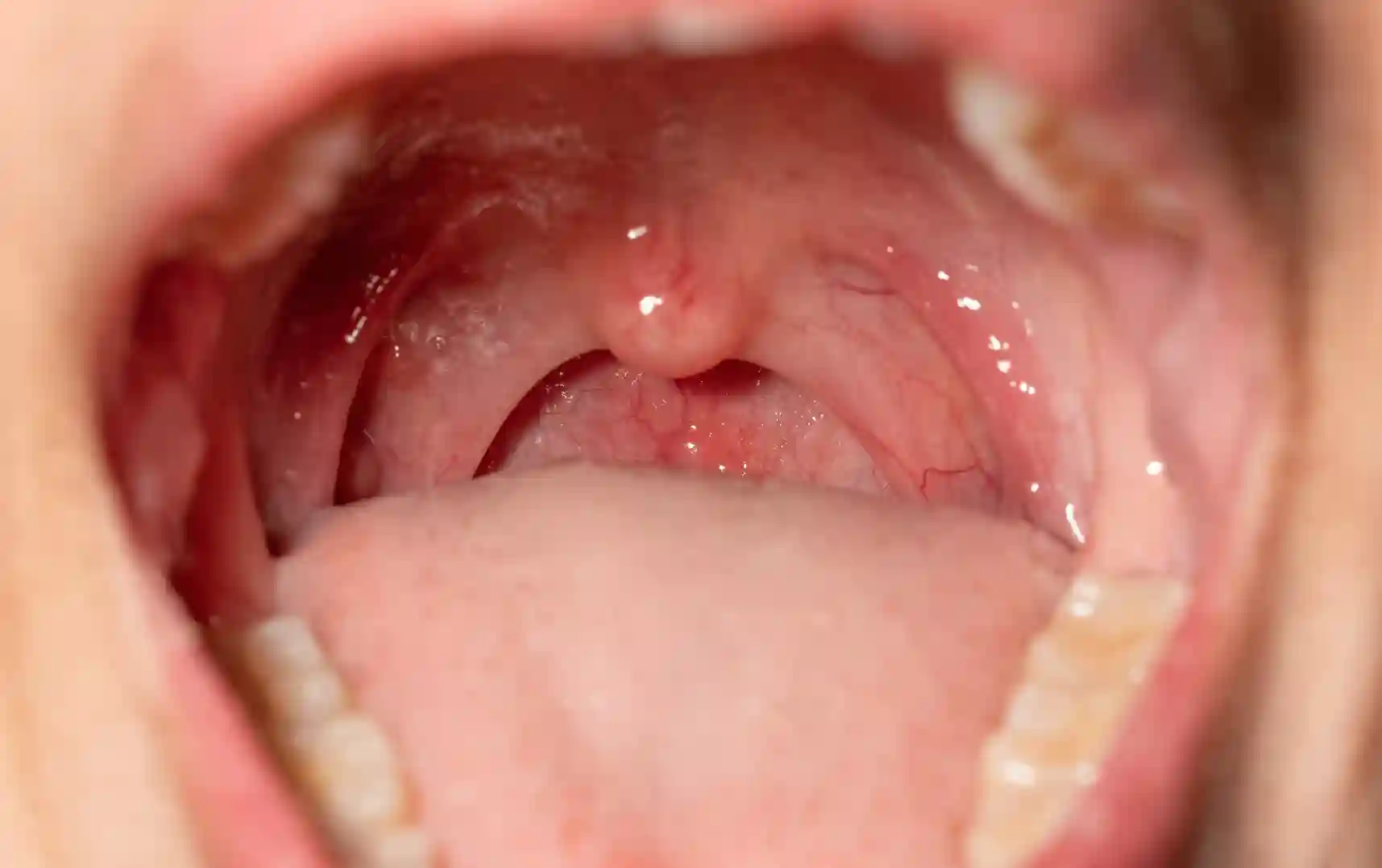
When you experience a sore throat, it’s easy to confuse tonsillitis and strep throat, as both cause pain, swelling, and discomfort. However, while these conditions share similar symptoms, they differ in causes, severity, and treatment. Understanding tonsillitis vs strep helps you get the right diagnosis and care.
Tonsillitis is an inflammation of the tonsils, the two oval-shaped tissue pads located at the back of your throat. It can be caused by viral or bacterial infections. The condition is common in children but can affect adults as well.
Symptoms of Tonsillitis:
In most cases, tonsillitis is caused by viruses, such as those responsible for the common cold. Because of that, antibiotics are not always necessary.
read about>>Is Laryngitis Contagious?
Strep throat, on the other hand, is a specific type of bacterial infection caused by Group A Streptococcus bacteria. It primarily affects the throat and tonsils and spreads easily through coughing, sneezing, or contact with contaminated surfaces.
Symptoms of Strep Throat:
Strep throat is highly contagious and requires antibiotic treatment to prevent complications like rheumatic fever or kidney inflammation.
While tonsillitis and strep throat can look similar, their main difference lies in what causes them.
| Feature | Tonsillitis | Strep Throat |
|---|---|---|
| Cause | Virus or bacteria | Group A Streptococcus bacteria |
| Contagious | Yes, if caused by infection | Highly contagious |
| Treatment | Depends on cause; viral cases resolve on their own | Requires antibiotics |
| Common in | Children and adults | Mostly school-aged children |
| Duration | 7–10 days | 3–7 days (with treatment) |
If your sore throat includes a cough or runny nose, it’s likely viral tonsillitis. If you have sudden throat pain, fever, and white patches, strep may be the cause.
To confirm the diagnosis, doctors often perform a throat culture or rapid strep test. This helps identify whether the infection is bacterial or viral.
For tonsillitis:
For strep throat:
Prompt treatment reduces symptoms, shortens recovery time, and prevents serious complications.
Whether it’s tonsillitis or strep, good hygiene is key. Wash your hands frequently, avoid sharing eating utensils, and cover your mouth when coughing or sneezing. Maintaining a strong immune system through balanced nutrition, hydration, and rest also helps prevent recurrent infections.
When comparing tonsillitis vs strep, remember that tonsillitis can be viral or bacterial, while strep throat is always bacterial. Proper diagnosis is crucial since only bacterial infections require antibiotics. If your sore throat lasts more than a few days or worsens, seek medical attention. With the right care, both conditions are treatable, and you can recover quickly while protecting those around you.