Physical Address
304 North Cardinal St.
Dorchester Center, MA 02124
Physical Address
304 North Cardinal St.
Dorchester Center, MA 02124

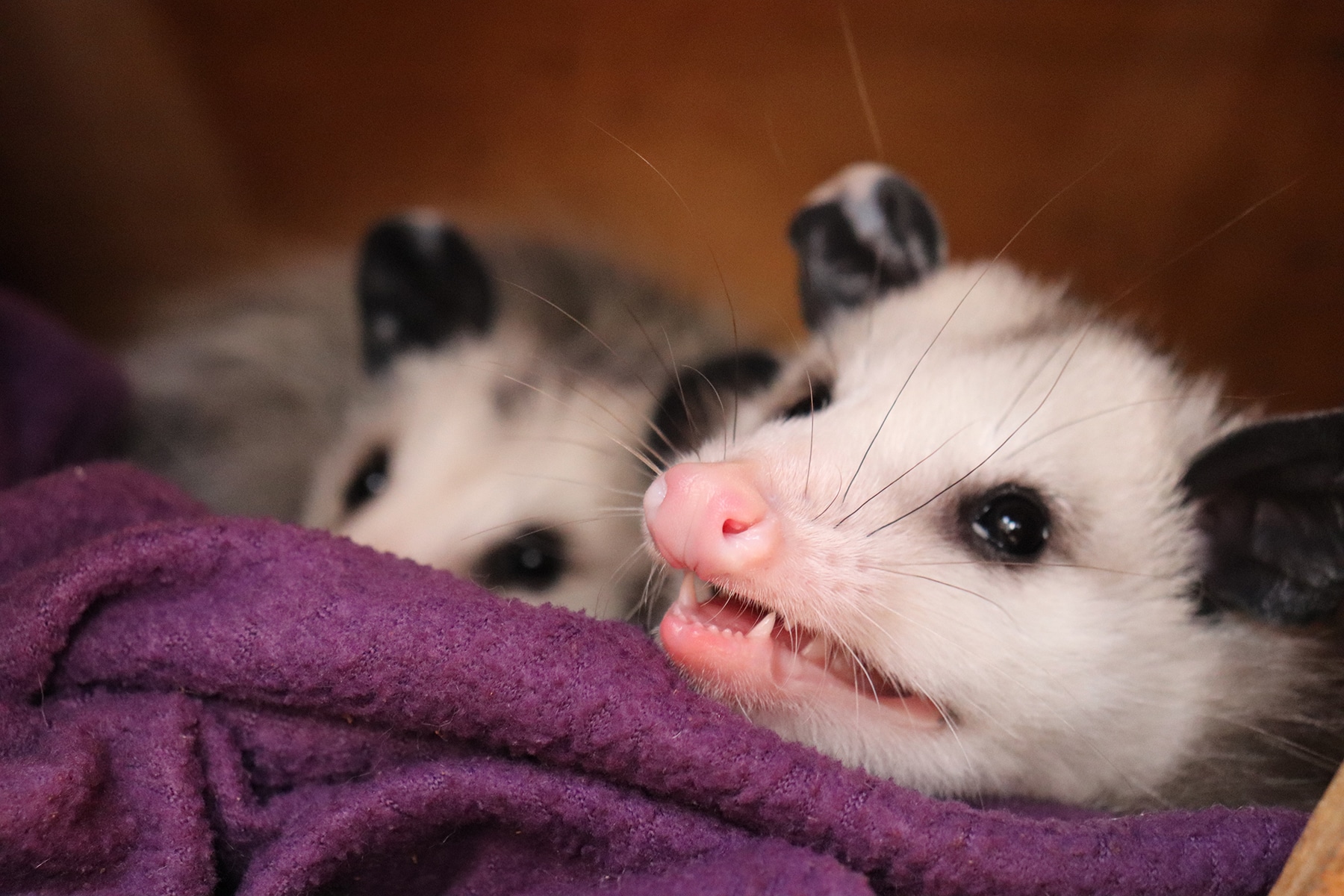
Many people worry about wildlife diseases, especially rabies, which can be deadly to both animals and humans. One common question that often arises is — do opossums carry rabies? While opossums are wild animals frequently seen near homes, garbage bins, or backyards, they are surprisingly low-risk carriers of this virus. Knowing the facts about opossums and rabies can help you stay informed and avoid unnecessary fear.
Rabies is a viral disease that affects the central nervous system. It spreads through the saliva of infected animals, typically via bites or scratches. Once symptoms appear, rabies is almost always fatal. Animals most commonly associated with the disease include raccoons, bats, skunks, and foxes.
Because rabies poses a serious public health threat, understanding which animals can carry it is essential for prevention and safety.
read about>>Rabies Vaccine for Dogs
The simple answer is very rarely. Opossums can carry rabies, but it’s extremely uncommon. Their body temperature plays a significant role in this. Opossums have a naturally low body temperature (around 94–97°F), which makes it difficult for the rabies virus to survive and multiply within their bodies.
This low susceptibility means that while it’s possible for an opossum to contract rabies, it almost never happens. In fact, compared to other wild mammals, opossums are among the least likely to carry or transmit the virus.
Although rare, rabid opossums may display unusual behavior. Signs of rabies in opossums include:
If you observe an opossum acting abnormally or showing these symptoms, avoid contact and notify local animal control.
Opossums often get a bad reputation, but they actually play a valuable ecological role. They help control pests like ticks, cockroaches, and rodents, reducing the spread of other diseases. Opossums are also immune to venom from snakes like rattlesnakes, which helps maintain balance in local ecosystems.
Despite their odd appearance, these animals are generally harmless and avoid human contact when possible.
If you see an opossum on your property, it’s best to leave it alone. They are nocturnal creatures and typically move on after scavenging for food. To prevent unwanted visits:
If an opossum appears sick or aggressive, do not attempt to capture or kill it. Instead, contact animal control or wildlife rescue services.
Even though opossums rarely carry rabies, it’s important to stay protected. Here’s how you can reduce your risk:
Prevention is key — keeping pets vaccinated and maintaining awareness ensures safety for both humans and animals.
So, do opossums carry rabies? Technically, yes — but it’s extremely rare. Their low body temperature and natural resistance make them unlikely hosts. Opossums are more helpful than harmful, acting as natural pest controllers in the environment. By respecting wildlife, avoiding unnecessary contact, and keeping pets vaccinated, you can stay safe while allowing these misunderstood animals to do their part in nature.