Physical Address
304 North Cardinal St.
Dorchester Center, MA 02124
Physical Address
304 North Cardinal St.
Dorchester Center, MA 02124

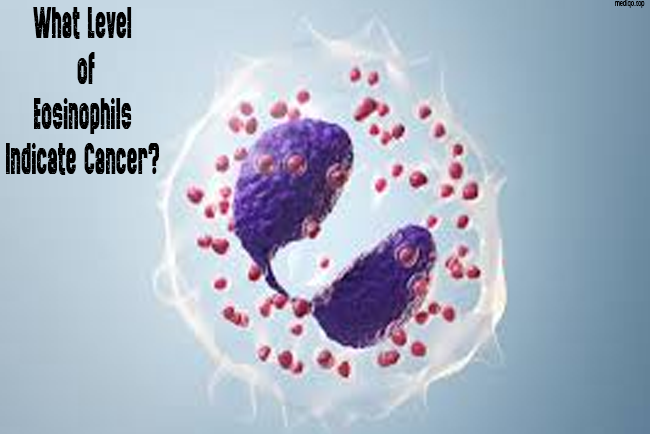
Eosinophils are a type of white blood cell that help the body fight infections, allergies, and inflammation. They play an essential role in the immune system by responding to parasites and allergens. Normally, eosinophils make up about 1–4% of total white blood cells. A small number in the bloodstream is healthy, but when levels rise, it may signal an underlying issue.
Elevated eosinophils, a condition called eosinophilia, are not always linked to cancer. They can also occur due to allergies, asthma, parasitic infections, or autoimmune diseases. However, very high levels may sometimes be a clue to blood-related cancers or other malignancies.
The normal eosinophil count ranges between 0 and 500 cells per microliter (µL) of blood, or 1–4% of total white blood cells. Levels above 500 cells/µL are considered high and indicate eosinophilia.
Eosinophilia can be classified into three main levels:
While mild to moderate elevations are usually caused by non-cancerous conditions like allergies, persistent severe eosinophilia can suggest an underlying blood or tissue disorder, including some types of cancer.
Read more >> Is Burping a Lot a Sign of Cancer?
Eosinophilia alone does not confirm cancer, but it can serve as a warning sign when found alongside other abnormal blood results or symptoms. High eosinophil levels are sometimes linked to:
If eosinophil levels remain above 1,500 cells/µL for several months without other explanations, doctors may investigate for malignancy or bone marrow disorders.
Read more >> Vash Level 2 – The Fear Returns with a Darker, Gripping Sequel
Not all elevated eosinophil counts are alarming. Many are linked to non-cancerous conditions. Common causes include:
Because of these varied causes, an isolated high eosinophil count is not enough to diagnose cancer.
Doctors usually start with a complete blood count (CBC) test to measure eosinophils and other blood components. If levels are high, further steps may include:
A combination of findings, not eosinophil count alone, helps confirm a diagnosis.
You should seek medical advice if your blood test repeatedly shows elevated eosinophils or if you experience symptoms such as persistent fatigue, unexplained weight loss, night sweats, or enlarged lymph nodes. These may point to an underlying condition that needs further evaluation.
Early medical consultation allows timely diagnosis and treatment. Many causes of eosinophilia are treatable once identified, and when related to cancer, early intervention can improve outcomes significantly.
Eosinophil levels can provide important clues about your health but are not a direct indicator of cancer. A persistent high count—especially above 1,500 cells/µL—should prompt further medical investigation. However, most cases are due to allergies or infections rather than malignancy.
If you receive abnormal eosinophil results, avoid self-diagnosis. Always consult a healthcare professional for proper testing and interpretation. Understanding your blood test results and seeking medical advice early ensures better health outcomes and peace of mind.