Physical Address
304 North Cardinal St.
Dorchester Center, MA 02124
Physical Address
304 North Cardinal St.
Dorchester Center, MA 02124
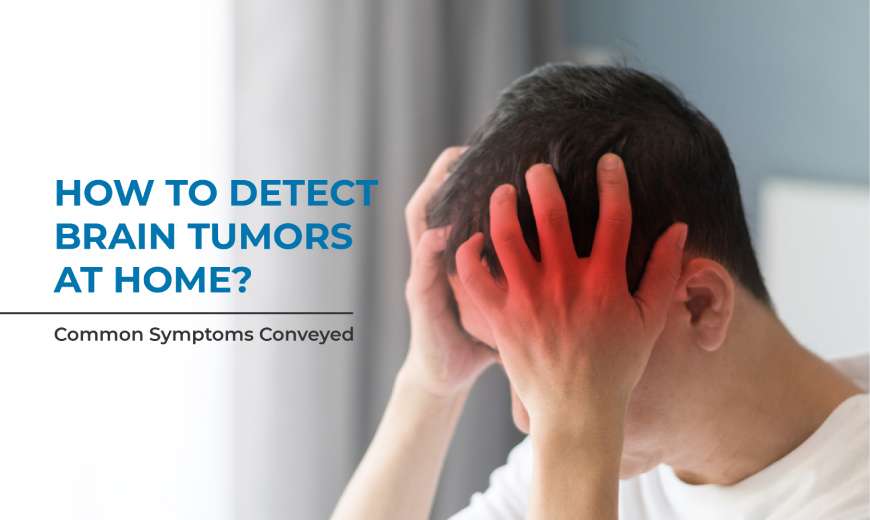
A brain tumor is a serious medical condition that occurs when abnormal cells grow within the brain. Detecting it early can significantly improve treatment outcomes. While only medical imaging such as an MRI or CT scan can confirm a diagnosis, being aware of early symptoms at home can help you recognize warning signs and seek professional care sooner.
You cannot diagnose a brain tumor at home without medical tests. However, you can observe early symptoms that may indicate abnormal brain activity or pressure. Recognizing these symptoms early and reporting them to a healthcare provider can lead to faster diagnosis and treatment.
The goal isn’t to replace medical testing, but to increase awareness so you can take timely action if something feels off.
read about>>Hearing Loss ICD-10
Brain tumors can cause various symptoms depending on their location, size, and growth rate. Here are some key signs you can monitor at home:
While you can’t test for a tumor directly, you can track your symptoms to share with your doctor:
If symptoms persist for more than two weeks or worsen rapidly, contact a healthcare provider immediately.
While many of these symptoms can result from less serious conditions like migraines or stress, it’s vital not to ignore persistent or unusual signs. Seek immediate medical evaluation if you experience:
Your doctor may order imaging tests like MRI scans to rule out or confirm the presence of a brain tumor.
You cannot definitively detect a brain tumor at home, but you can observe and document warning signs that may prompt early medical evaluation. Symptoms like persistent headaches, vision problems, and memory changes should never be ignored. Early detection leads to better outcomes and more effective treatment. Always consult a neurologist or healthcare professional if you notice these symptoms.