Physical Address
304 North Cardinal St.
Dorchester Center, MA 02124
Physical Address
304 North Cardinal St.
Dorchester Center, MA 02124

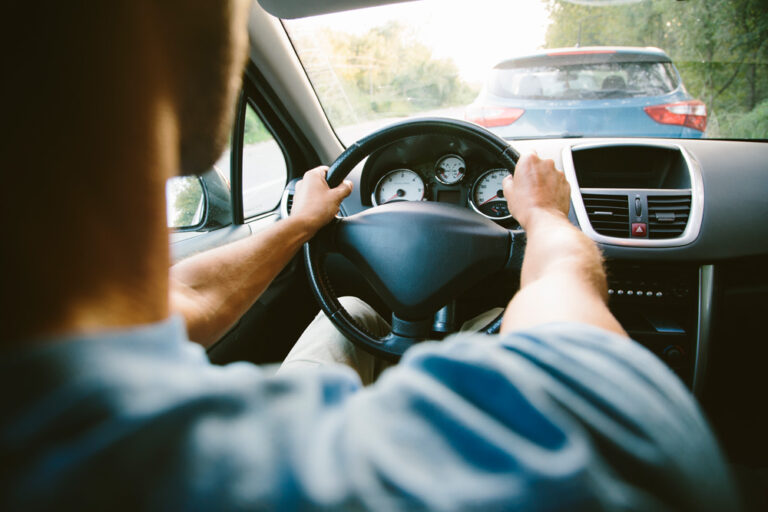
Driving is a symbol of independence, but for people with epilepsy, it often raises concerns and questions. Epilepsy is a neurological condition characterized by recurrent seizures, which can temporarily impair awareness, coordination, or consciousness. Naturally, this brings up the critical question: can people with epilepsy drive safely and legally?
The ability of a person with epilepsy to drive varies depending on the country, state, or region. In most places, regulations are designed to ensure road safety while allowing people with well-controlled epilepsy to maintain mobility. Generally, licensing authorities require:
Failing to comply with these regulations can result in fines, legal consequences, or invalidation of insurance. Therefore, understanding local rules is crucial for anyone with epilepsy.
read about>>How I Cured My Vestibular Migraine
Not all seizures carry the same risk when it comes to driving. Several factors influence whether a person with epilepsy can safely operate a vehicle:
For individuals with epilepsy who are legally allowed to drive, safety remains a top priority. Here are some practical tips:
Epilepsy can affect self-confidence, and concerns about driving may heighten anxiety. Support from healthcare providers, driving instructors familiar with epilepsy, and family members can help individuals regain independence without compromising safety.
The question, “Can people with epilepsy drive?” does not have a one-size-fits-all answer. Many people with well-controlled epilepsy can legally and safely drive, provided they follow medical advice and comply with local regulations. Awareness, proper treatment, and careful planning are key to balancing independence with road safety.
By understanding the rules, staying informed, and prioritizing health, individuals with epilepsy can enjoy the freedom of driving while minimizing risks to themselves and others.




