Physical Address
304 North Cardinal St.
Dorchester Center, MA 02124
Physical Address
304 North Cardinal St.
Dorchester Center, MA 02124

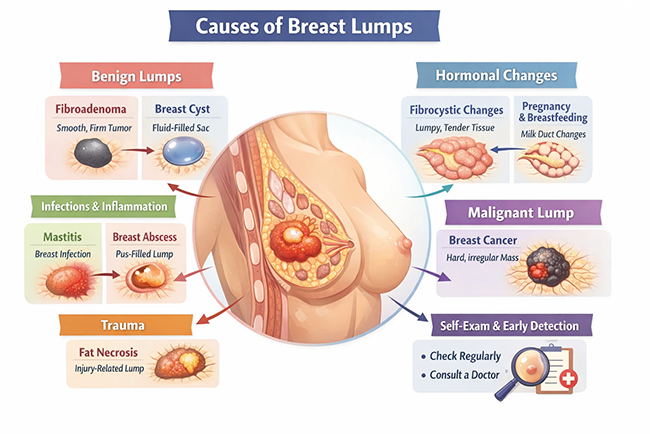
A breast lump can be a worrying sign for many individuals. It is a localized swelling, thickening, or mass within the breast tissue. While not all lumps indicate cancer, identifying the cause early is essential. Understanding the factors behind breast lumps helps in timely diagnosis and treatment.
Many breast lumps are non-cancerous. Fibroadenomas are one of the most frequent benign lumps. They feel firm, smooth, and move easily under the skin. Another common cause is cysts, which are fluid-filled sacs that can fluctuate in size, especially during the menstrual cycle. Fibrocystic breast changes also create lumpy or rope-like tissue, usually causing tenderness before periods.
Read more >> Hemophilia Treatment: Effective Strategies and Latest Advancements
Hormonal changes significantly affect breast tissue. Estrogen and progesterone fluctuations can trigger temporary swelling or cyst formation. Pregnancy and breastfeeding often lead to lumps due to milk duct expansion or blocked ducts. Hormonal medications, such as birth control or hormone replacement therapy, may also influence the development of breast lumps.
Breast infections, including mastitis, can result in painful lumps. Mastitis typically occurs during breastfeeding and can cause redness, warmth, and swelling. Breast abscesses are a more severe form, where pus accumulates inside the tissue. Prompt medical attention is necessary to prevent further complications.
Physical trauma or injury to the breast can cause fat necrosis, which appears as a firm lump. This condition occurs when fatty tissue inside the breast is damaged, often after a blow or surgery. Fat necrosis is usually harmless but may mimic the feel of malignant lumps.
Though many lumps are benign, some can indicate breast cancer. Malignant lumps often feel hard, irregular in shape, and fixed in place. They may or may not be painful. Early detection is crucial for better treatment outcomes. Screening methods like mammography and ultrasound help distinguish between benign and malignant lumps.
Anyone who notices a new lump, change in size, or skin dimpling should seek medical advice. Additional warning signs include nipple discharge, redness, or persistent pain. Doctors usually perform a clinical breast exam, imaging tests, or a biopsy to determine the exact cause.
Regular breast self-exams help detect changes early. Monthly checks, ideally after menstruation, allow individuals to notice new lumps. Maintaining a healthy lifestyle, limiting alcohol intake, and managing weight can also reduce the risk of developing breast cancer-related lumps.
Breast lumps have diverse causes, ranging from harmless cysts to serious malignancies. Awareness of these causes and timely consultation with a healthcare professional can improve outcomes. Early detection through self-exams and medical screening remains the most effective strategy.