Physical Address
304 North Cardinal St.
Dorchester Center, MA 02124
Physical Address
304 North Cardinal St.
Dorchester Center, MA 02124

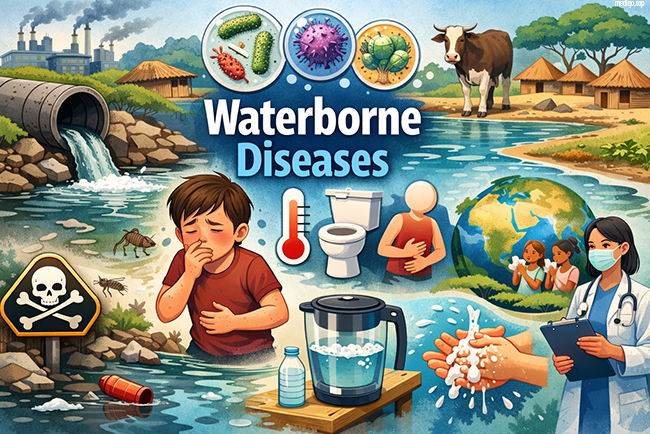
Waterborne diseases are illnesses caused by drinking or using contaminated water. These diseases spread when water contains harmful microorganisms such as bacteria, viruses, or parasites. Unsafe water affects millions of people every year, especially in developing regions. Poor sanitation, lack of clean drinking water, and inadequate hygiene increase the risk significantly. According to global health reports, water contamination remains a major public health concern worldwide.
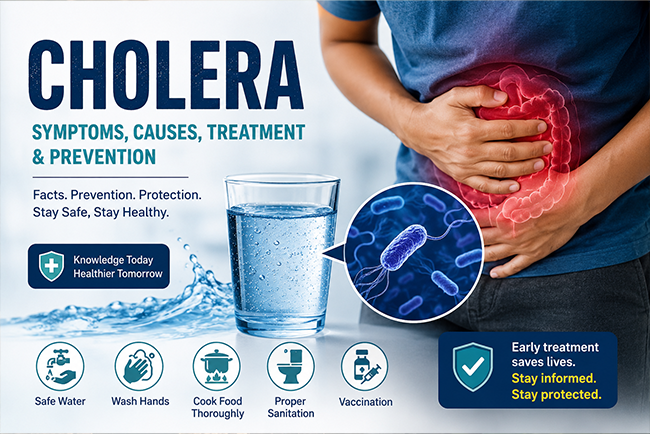
Several dangerous diseases fall under the category of waterborne diseases. Cholera, typhoid fever, dysentery, hepatitis A, and giardiasis are among the most common. Cholera causes severe dehydration and diarrhea, while typhoid fever leads to prolonged fever and weakness. Dysentery often results in bloody diarrhea and stomach pain. These diseases spread rapidly in areas with poor water treatment systems.
Read more >> Natural Ways to Relieve Endometriosis Pain
Water becomes contaminated through human and animal waste, industrial pollution, and agricultural runoff. Open defecation and broken sewage systems often allow pathogens to enter water supplies. Flooding can worsen contamination by mixing sewage with drinking water sources. Using untreated surface water for drinking or cooking also increases exposure. In many rural areas, people rely on unsafe wells or rivers.
Symptoms of waterborne diseases vary depending on the pathogen involved. Common signs include diarrhea, vomiting, nausea, stomach cramps, fever, and dehydration. Severe cases can lead to malnutrition, organ damage, or death if untreated. Children, elderly individuals, and people with weak immune systems face higher risks. Early detection helps reduce complications and long-term health effects.
Waterborne diseases place a heavy burden on public health systems. Hospitals in affected areas often struggle to manage outbreaks. Lost productivity and medical expenses harm national economies. Children may miss school due to illness, which affects education outcomes. Communities trapped in repeated outbreaks often face long-term poverty and health challenges.
Preventing waterborne diseases requires access to clean water and proper sanitation. Boiling water before drinking kills most harmful microorganisms. Water filtration and chlorination improve water safety significantly. Proper handwashing with soap reduces disease transmission. Governments and organizations must invest in safe water infrastructure and public awareness programs.
Personal hygiene plays a vital role in disease prevention. Washing hands before eating and after using the toilet lowers infection risk. Using clean utensils and safe food preparation methods also helps. Health education programs teach communities how diseases spread and how to prevent them. Informed individuals make safer choices about water use.
Safe drinking water is essential for a healthy life. Access to clean water supports better health, education, and economic growth. Communities with improved water systems experience fewer disease outbreaks. Sustainable water management protects future generations. Ensuring clean water remains a shared global responsibility.
Waterborne diseases continue to threaten global health, especially in vulnerable populations. These illnesses spread quickly but remain preventable with proper measures. Clean water, sanitation, hygiene, and education form the foundation of prevention. Strong policies and community efforts can reduce disease rates. Protecting water sources ensures a healthier and safer future for all.