Physical Address
304 North Cardinal St.
Dorchester Center, MA 02124
Physical Address
304 North Cardinal St.
Dorchester Center, MA 02124

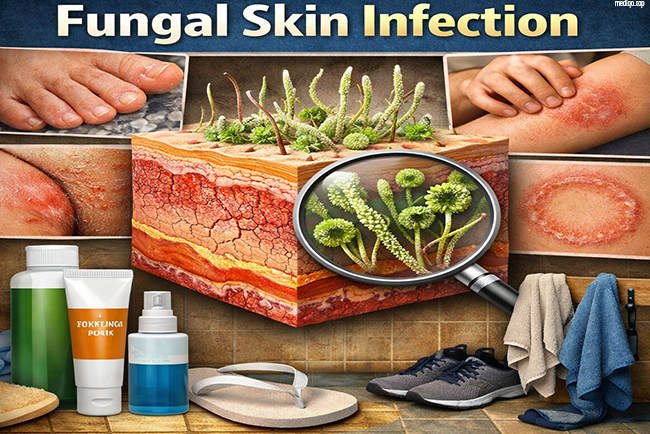
A fungal skin infection is a widespread health issue that affects millions of people every year. It develops when certain fungi grow uncontrollably on the outer layer of the skin. Because fungi prefer warm and moist conditions, infections occur more often in tropical and humid regions. Although these infections rarely cause serious harm, they often create persistent discomfort. Therefore, early understanding plays a vital role in effective control and prevention.
Several forms of fungal skin infection affect different body areas. For example, ringworm causes circular rashes on exposed skin. Athlete’s foot mainly targets the spaces between the toes. Similarly, jock itch affects the groin and inner thighs. Yeast-related infections, such as candidiasis, usually develop in skin folds. Despite their differences, these infections share common triggers and treatment approaches.
Fungal skin infections develop due to dermatophytes, yeasts, or molds. These organisms grow rapidly in sweaty and damp conditions. Poor personal hygiene significantly increases the risk. In addition, tight clothing traps moisture against the skin. Excessive sweating further encourages fungal growth. Moreover, people with weakened immune systems face a higher chance of infection.
Symptoms often vary depending on the infection type and location. However, itching remains one of the earliest and most common signs. Redness, scaling, and peeling frequently appear next. In ringworm, a clearly defined circular rash usually forms. Athlete’s foot often leads to cracked and painful skin between the toes. Therefore, recognizing symptoms early helps prevent spreading.
Fungal skin infections spread easily through direct contact. For instance, touching infected skin can transfer fungi. Shared items like towels, socks, or shoes also increase transmission risk. Moreover, fungi survive for long periods on damp surfaces. Public swimming pools, locker rooms, and showers often act as common sources. Consequently, preventive habits play a crucial role in protection.
Doctors usually diagnose fungal skin infections through visual examination. When symptoms appear unclear, they may take a small skin sample. They then examine the sample under a microscope or send it for laboratory testing. Accurate diagnosis ensures targeted treatment. Therefore, professional evaluation becomes important when symptoms do not improve.
Treatment depends on both severity and infection type. Mild infections often improve with topical antifungal creams, lotions, or sprays. Doctors prescribe oral antifungal medications for severe or widespread cases. Patients should complete the full treatment course, even if symptoms fade early. Otherwise, the infection may return. Proper adherence leads to lasting recovery.
Along with medication, daily care supports healing. People should clean affected areas gently and dry them thoroughly. Wearing loose, breathable cotton clothing helps reduce moisture buildup. In addition, individuals should avoid sharing personal items. Regular hygiene routines significantly lower reinfection risk. As a result, recovery becomes faster and more effective.
Read more >> Safe Sex Disease Prevention: Practical Steps
Preventive strategies remain simple yet powerful. Regular bathing removes sweat and surface fungi. Thorough drying after bathing prevents moisture retention. Breathable footwear and moisture-wicking socks reduce foot infections. Antifungal powders help people who sweat excessively. Therefore, consistent prevention minimizes recurring infections.
People should seek medical advice when symptoms persist or worsen. Recurrent infections often indicate an underlying issue. Children, elderly individuals, and people with diabetes need prompt care. Delayed treatment may cause spreading and discomfort. Hence, early consultation ensures better long-term outcomes.