Physical Address
304 North Cardinal St.
Dorchester Center, MA 02124
Physical Address
304 North Cardinal St.
Dorchester Center, MA 02124

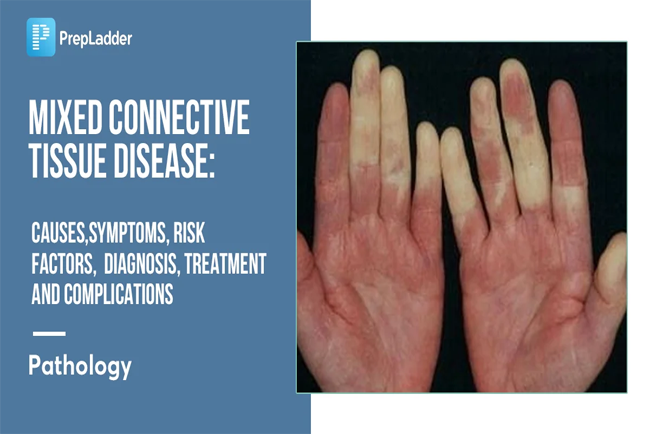
Mixed Connective Tissue Disease (MCTD) is a rare autoimmune disorder that often raises questions due to its uncommon nature and complex symptoms. Many people search online asking, “How rare is mixed connective tissue disease?” Understanding its rarity, prevalence, and who it affects can help increase awareness and promote early diagnosis.
Mixed connective tissue disease is an autoimmune condition that shows features of several connective tissue diseases at once. These commonly include systemic lupus erythematosus, scleroderma, polymyositis, and sometimes rheumatoid arthritis. A key marker of MCTD is the presence of anti-U1 RNP antibodies in the blood.
Because its symptoms overlap with other autoimmune diseases, MCTD can be difficult to diagnose, making it appear even rarer than it already is.
Mixed connective tissue disease is considered very rare. According to medical estimates, MCTD affects approximately 1 to 2 people per 100,000 population worldwide. In some regions, reported prevalence is even lower due to underdiagnosis or misdiagnosis.
Compared to more common autoimmune diseases like lupus or rheumatoid arthritis, MCTD is significantly less frequent. This rarity is one of the main reasons many people, including some healthcare providers, may be unfamiliar with the condition.
Although mixed connective tissue disease can affect anyone, certain groups are more commonly diagnosed:
The disease is found worldwide and does not appear to be limited to any specific ethnicity or geographic region.
There are several reasons why mixed connective tissue disease is rare:
As medical research improves, some experts believe that more cases may be identified in the future.
Read More>>Skin Parasitic Infection: Causes, Symptoms
MCTD is not always life-threatening, but it can become serious if untreated. Complications may involve the lungs, heart, kidneys, or blood vessels. Pulmonary hypertension is one of the most severe complications associated with MCTD.
With early diagnosis, regular monitoring, and proper treatment, many people with mixed connective tissue disease live active and fulfilling lives.
Because MCTD is rare, awareness is essential. Early recognition of symptoms such as Raynaud’s phenomenon, joint pain, muscle weakness, and fatigue can lead to timely medical evaluation. Increased awareness also supports better research funding and improved treatment options.
So, how rare is mixed connective tissue disease? In simple terms, very rare, affecting only a small fraction of the population. Despite its rarity, MCTD is a serious autoimmune condition that deserves attention. Understanding its prevalence, symptoms, and risks can help patients and caregivers seek early care and improve long-term outcomes.
By spreading accurate information, we can ensure that this rare disease is recognized, diagnosed, and managed more effectively.
Read More>>Arsenal vs Kairat Almaty Live Score