Physical Address
304 North Cardinal St.
Dorchester Center, MA 02124
Physical Address
304 North Cardinal St.
Dorchester Center, MA 02124
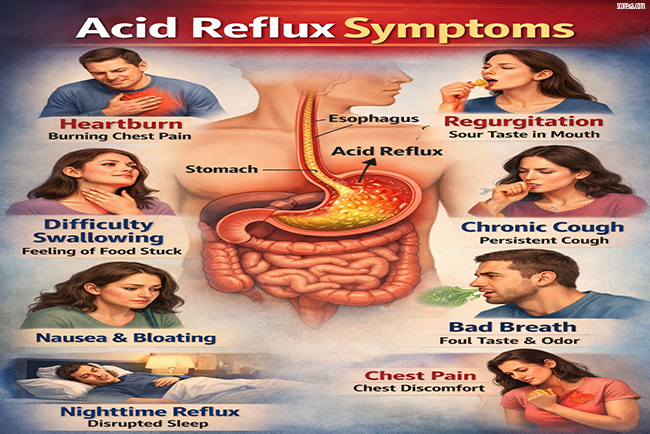
Acid reflux symptoms occur when stomach acid flows back into the esophagus. This backward movement irritates the esophageal lining and causes discomfort. Many people experience these symptoms occasionally, while others face them frequently. Acid reflux is common and affects daily comfort, sleep quality, and eating habits. Understanding acid reflux symptoms helps people identify the problem early and take timely action.
Heartburn is the most recognized acid reflux symptom. It causes a burning feeling in the chest, usually behind the breastbone. This sensation often appears after meals or at night. Spicy, fatty, or acidic foods can trigger it. Heartburn may worsen when lying down or bending forward. Although it feels intense, it is not related to heart disease in most cases.
Regurgitation occurs when stomach contents rise into the throat or mouth. People often describe a sour or bitter taste during this episode. This acid reflux symptom can happen suddenly and feel unpleasant. It may increase after large meals or when lying flat. Frequent regurgitation indicates poor closure of the lower esophageal sphincter.
Difficulty swallowing is another important acid reflux symptom. It creates a feeling that food sticks in the throat or chest. Ongoing acid exposure can irritate and narrow the esophagus. This makes swallowing uncomfortable or painful. Dysphagia should not be ignored, as it may signal ongoing inflammation.
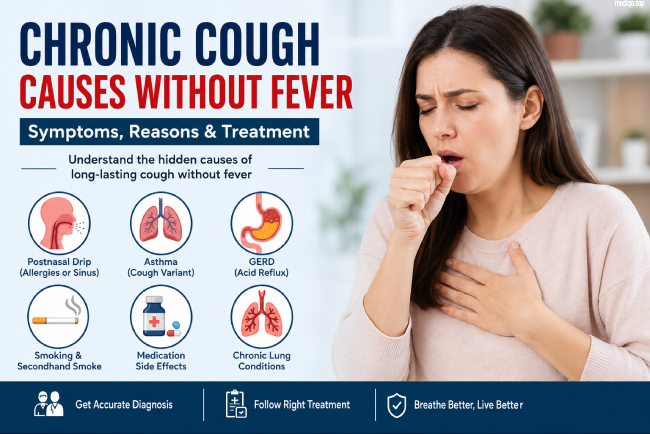
A persistent cough can also result from acid reflux symptoms. Acid fumes may irritate the throat and airway. This irritation often worsens at night or after meals. Many people mistake it for allergies or asthma. Throat clearing, hoarseness, and a scratchy voice may appear along with the cough.
Chest pain related to acid reflux symptoms can feel sharp or pressure-like. It may spread to the neck or back. This pain often appears after eating or during rest. Although it is usually harmless, it can mimic heart-related pain. Medical evaluation is important if chest pain feels severe or unusual.
Some people experience nausea as part of acid reflux symptoms. A feeling of fullness, bloating, or mild stomach upset may follow meals. Indigestion can develop when acid interferes with normal digestion. These symptoms often increase after overeating or consuming trigger foods. Smaller meals can help reduce discomfort.
Bad breath can develop due to acid reflux symptoms. Acid and partially digested food may reach the mouth. This creates an unpleasant odor that regular brushing may not fix. A dry mouth or metallic taste can also appear. Proper reflux management often improves oral comfort.
Acid reflux symptoms often worsen at night. Lying flat allows acid to travel upward more easily. People may wake up with chest burning, coughing, or a sour taste. Poor sleep quality can follow repeated nighttime episodes. Elevating the head during sleep may reduce these symptoms.
Frequent acid reflux symptoms may lead to gastroesophageal reflux disease (GERD). GERD occurs when symptoms appear more than twice a week. Long-term irritation can damage the esophagus. Early recognition helps prevent complications such as ulcers or strictures. Lifestyle changes and medical guidance play a key role.
Read more >> Fungal Skin Infection: Causes, Symptoms, Treatment, and Prevention
Early management of acid reflux symptoms improves comfort and quality of life. Identifying trigger foods helps reduce episodes. Eating smaller meals and avoiding late-night eating can help. Maintaining a healthy weight also lowers pressure on the stomach. Professional advice is recommended if symptoms persist.