Physical Address
304 North Cardinal St.
Dorchester Center, MA 02124
Physical Address
304 North Cardinal St.
Dorchester Center, MA 02124

Prediabetes is a growing health concern across the world. Many people live with this condition without realizing it. Blood sugar levels rise above normal but do not reach the level of type 2 diabetes. Early detection helps prevent serious complications. Understanding prediabetes warning signs allows people to take action before permanent damage occurs.
Prediabetes occurs when the body struggles to manage blood glucose effectively. Insulin resistance often develops during this stage. Cells fail to respond properly to insulin, which causes sugar to remain in the bloodstream.
This condition increases the risk of developing type 2 diabetes, heart disease, and stroke. Lifestyle changes during this stage can reverse the condition. Many individuals successfully return blood sugar levels to normal through healthy habits.
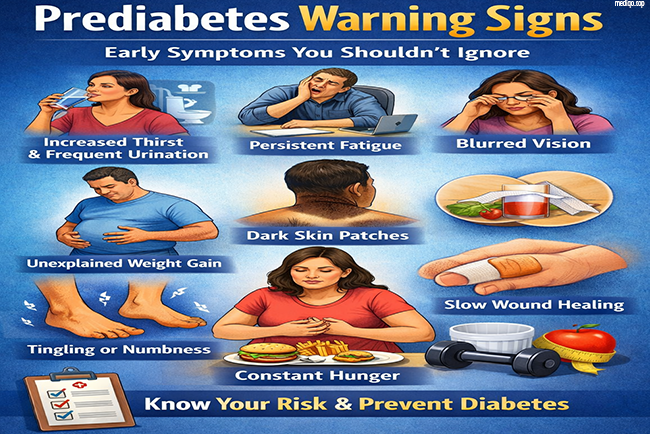
One of the earliest prediabetes warning signs includes excessive thirst. High glucose levels force the kidneys to work harder. The body removes extra sugar through urine.
Frequent urination follows this process. Fluid loss leads to dehydration, which triggers constant thirst. Many people ignore this symptom because it develops gradually.
Read more >> Insulin Resistance Symptoms: Early Warning Signs You Should Never Ignore
Fatigue often appears when glucose cannot enter cells efficiently. The body lacks usable energy despite adequate food intake. People may feel tired even after resting.
Energy crashes during the day can become common. Reduced insulin sensitivity prevents muscles and tissues from receiving proper fuel. This symptom affects work performance and daily activities.
Unexpected weight gain or difficulty losing weight may signal prediabetes. Insulin resistance encourages fat storage, especially around the abdomen.
Some individuals may experience mild weight loss instead. The body struggles to use glucose correctly, which disrupts metabolism. Monitoring weight fluctuations helps identify early metabolic issues.
Dark, thickened skin patches represent a strong warning sign of insulin resistance. This condition is called acanthosis nigricans. It usually appears around the neck, armpits, elbows, or knees.
Skin may feel velvety or slightly raised. Many people mistake these patches for dirt or poor hygiene. However, they often indicate elevated insulin levels.
Constant hunger can occur even after eating regular meals. Cells fail to absorb glucose efficiently. The brain receives signals that more energy is required.
This cycle leads to overeating and further blood sugar imbalance. Cravings for sugary or carbohydrate-rich foods may also increase.
High blood sugar affects fluid balance in the eyes. Temporary swelling can cause blurred vision. Many people notice difficulty focusing on nearby objects.
Slow wound healing also develops over time. Elevated glucose weakens circulation and immune response. Minor cuts or infections may take longer to recover.
Nerve sensitivity may change during early blood sugar imbalance. Some individuals experience tingling sensations in the hands or feet. Mild numbness may also occur.
Although more common in diabetes, early nerve effects can appear during prediabetes. Paying attention to these signals helps prevent long-term nerve damage.
Certain lifestyle and genetic factors increase the likelihood of developing prediabetes. Risk rises among people who are overweight or physically inactive.
Family history, poor diet habits, and chronic stress also contribute. Individuals over the age of 35 face higher risk. Regular health screenings become important for early detection.
Prediabetes can often be reversed through consistent lifestyle adjustments. Regular physical activity improves insulin sensitivity. Balanced meals that include fiber, protein, and healthy fats stabilize blood sugar levels.
Reducing processed foods and sugary drinks supports metabolic health. Maintaining a healthy body weight greatly lowers diabetes risk. Doctors may recommend routine blood sugar testing for monitoring progress.
Medical evaluation becomes necessary when multiple symptoms appear together. Blood tests such as fasting glucose or HbA1c confirm diagnosis. Early medical guidance prevents complications.
People with risk factors should schedule annual screenings. Prevention remains easier than managing diabetes later.
Prediabetes warning signs often develop quietly. Many symptoms seem minor at first. However, early recognition creates an opportunity for prevention. Healthy lifestyle choices can restore normal blood sugar control.
Awareness remains the strongest defense against future diabetes. Taking action today protects long-term health and well-being.