Physical Address
304 North Cardinal St.
Dorchester Center, MA 02124
Physical Address
304 North Cardinal St.
Dorchester Center, MA 02124

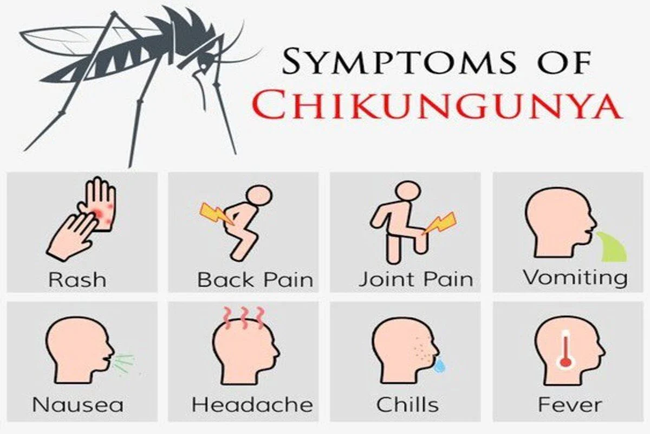
Chikungunya is a viral disease transmitted to humans through infected mosquitoes. It has become a growing health concern in many tropical and subtropical regions. Understanding Chikungunya symptoms, causes, treatment, and prevention methods can help reduce the risk of infection and complications.
Chikungunya is caused by the Chikungunya virus, which spreads primarily through the bites of infected Aedes mosquitoes, especially Aedes aegypti and Aedes albopictus. These mosquitoes usually bite during the daytime, making prevention essential throughout the day.
The disease is rarely fatal, but it can cause severe joint pain that may last for weeks or even months in some cases.
Symptoms of Chikungunya usually appear 3 to 7 days after a mosquito bite. The most common symptoms include:
Joint pain caused by Chikungunya can be intense and may limit movement. Some people, especially older adults, may experience long-lasting joint discomfort.
The primary cause of Chikungunya is infection with the Chikungunya virus transmitted through mosquito bites. The infection spreads when:
Unlike some infections, Chikungunya does not spread directly from person to person through casual contact.
Doctors usually diagnose Chikungunya based on symptoms, travel history, and blood tests. Laboratory tests help confirm the presence of the virus and rule out similar diseases such as Dengue fever or Zika virus infection, which share similar symptoms.
Early diagnosis helps manage symptoms effectively and prevents complications.
Read More>>Dengue Fever: Symptoms, Causes, Treatment & Prevention Guide
There is no specific antiviral treatment for Chikungunya. Treatment mainly focuses on relieving symptoms and supporting recovery.
Common treatment methods include:
Most people recover within 1–2 weeks, although joint pain may persist longer in some cases.
Preventing mosquito bites is the most effective way to reduce the risk of Chikungunya infection.
Community-level mosquito control programs also play an important role in preventing outbreaks.
Certain groups may face a higher risk of severe symptoms, including:
Extra care and preventive measures are recommended for these high-risk groups.
While most people recover fully, some complications may occur, such as:
Seeking medical advice early can help prevent long-term complications.
You should consult a healthcare provider if you experience:
Prompt medical attention helps ensure proper diagnosis and safe treatment.
Chikungunya is a mosquito-borne viral disease that can cause significant discomfort but is largely preventable. By understanding Chikungunya symptoms, causes, treatment, and prevention, individuals can take proactive steps to protect themselves and their communities.
Simple preventive actions—such as avoiding mosquito bites and eliminating breeding sites—can significantly reduce the risk of infection. Staying informed and seeking early medical care are key to managing Chikungunya effectively.
Read More>>Kattalan (2026) Movie Preview