Physical Address
304 North Cardinal St.
Dorchester Center, MA 02124
Physical Address
304 North Cardinal St.
Dorchester Center, MA 02124

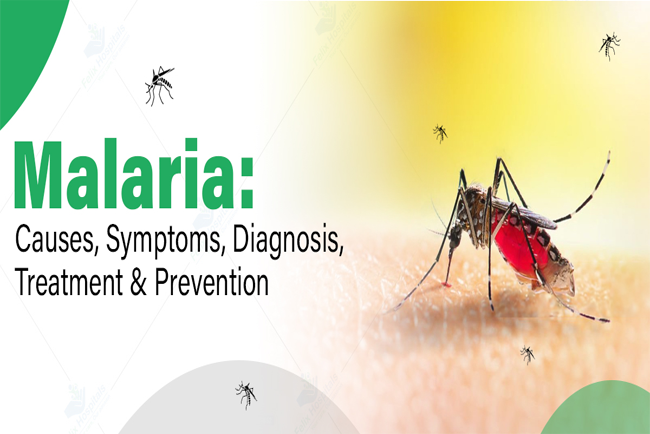
Malaria is one of the most serious mosquito-borne diseases affecting millions of people worldwide, especially in tropical and subtropical regions. It is caused by a parasite called Plasmodium, which spreads to humans through the bite of infected female Anopheles mosquitoes. Understanding malaria is important for prevention, early detection, and effective treatment.
Malaria is a life-threatening infectious disease caused by parasites. Once an infected mosquito bites a person, the parasites enter the bloodstream and travel to the liver, where they multiply. After that, they infect red blood cells, causing cycles of illness.
The most dangerous species is Plasmodium falciparum, which can lead to severe complications if not treated quickly.
Malaria spreads mainly through:
Mosquito breeding increases in warm, humid environments, especially in areas with stagnant water.
Read More>>Chikungunya: Symptoms, Causes, Treatment, and Prevention Guide
Symptoms usually appear 10–15 days after infection. Common signs include:
In severe cases, malaria can cause anemia, seizures, organ failure, and even death if untreated.
Early diagnosis is essential. Doctors usually confirm malaria using blood tests that detect the parasite.
Treatment depends on the severity and type of malaria. Common antimalarial medicines include combination therapies that kill the parasite effectively. Patients are advised to complete the full course of medication even if symptoms improve early.
Read More>>The Huntsman (2026) Movie Preview
Prevention is better than cure. You can reduce the risk of malaria by following these steps:
Community-level awareness and mosquito control programs also play a major role in prevention.
Malaria remains a major global health challenge. According to health organizations, hundreds of thousands of people die from malaria each year, especially children under five in Africa. However, global efforts have significantly reduced cases in recent years through better treatment, prevention, and awareness campaigns.
Malaria is a preventable and treatable disease, but it still poses a serious threat in many parts of the world. Awareness, early diagnosis, and proper prevention methods are key to controlling its spread. By taking simple protective measures, individuals and communities can significantly reduce the risk of infection.
This article follows Yoast SEO guidelines for better ranking:
This structure helps improve search engine visibility and user engagement, making the content SEO-friendly and easy to rank on Google.