Physical Address
304 North Cardinal St.
Dorchester Center, MA 02124
Physical Address
304 North Cardinal St.
Dorchester Center, MA 02124

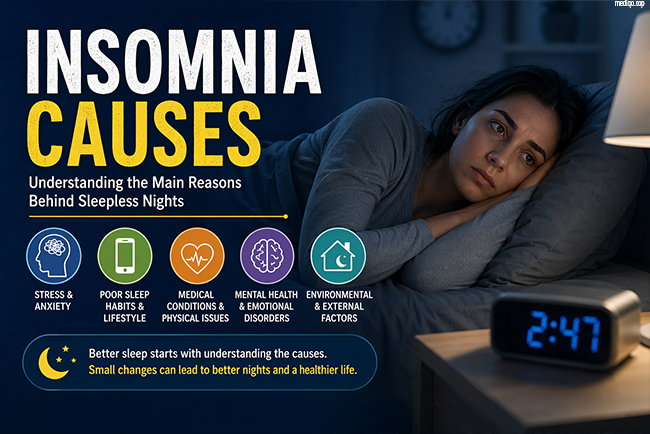
Insomnia is a common sleep problem that affects millions of people worldwide. It makes it hard to fall asleep, stay asleep, or get quality rest. Many people experience it occasionally, while others struggle with it for a long time.
The condition does not appear for a single reason. Multiple physical, mental, and lifestyle factors can trigger it. Understanding insomnia causes helps in managing sleep better and improving overall health.
Stress is one of the leading insomnia causes. Daily pressure from work, studies, or personal life keeps the brain active at night. The mind stays alert even when the body feels tired.
Anxiety also plays a strong role. People with constant worry often find it difficult to relax before bedtime. Racing thoughts delay sleep and reduce sleep quality. Emotional tension keeps the nervous system active longer than normal.
Long-term stress may turn into chronic insomnia. It creates a cycle where poor sleep increases stress, and stress further worsens sleep.
Bad sleep habits significantly contribute to insomnia causes. Irregular sleeping schedules confuse the body’s internal clock. Sleeping at different times every day makes it harder to maintain natural sleep rhythm.
Screen use before bed is another common issue. Phones, computers, and televisions emit blue light. This light reduces melatonin production, which is the hormone responsible for sleep.
Caffeine and nicotine also affect sleep quality. Drinking coffee or energy drinks late in the day keeps the brain active. Smoking stimulates the nervous system and delays relaxation.
Lack of physical activity may also reduce sleep depth. A sedentary lifestyle makes it harder for the body to feel naturally tired at night.
Several health issues can act as insomnia causes. Chronic pain conditions like arthritis or back pain make it difficult to stay comfortable during sleep.
Respiratory problems such as asthma can interrupt breathing at night. Acid reflux may also cause discomfort when lying down. These conditions often disturb deep sleep cycles.
Neurological disorders may affect sleep regulation in the brain. Hormonal changes, especially in thyroid disorders, can also impact sleep patterns.
Some medications used for blood pressure, asthma, or depression may interfere with normal sleep. These side effects can lead to long-term sleep disturbances if not managed properly.
Read more >> Sleep Apnea Symptoms: Warning Signs
Mental health plays a major role in insomnia causes. Depression often changes sleep patterns, causing either too little or too much sleep. Many people with depression struggle with early morning waking.
Post-traumatic stress disorder can also disrupt sleep. Flashbacks and nightmares make it hard to maintain restful sleep. The brain stays in a heightened state of alertness even during rest hours.
Other emotional conditions like bipolar disorder may affect sleep cycles during different mood phases. Emotional instability keeps the sleep-wake rhythm unbalanced.
Proper treatment and emotional support can help improve sleep quality in these cases.
The sleep environment also influences insomnia causes. Noise from traffic, neighbors, or electronic devices can disturb sleep. Even small sounds may interrupt deep sleep stages.
Light exposure in the bedroom reduces melatonin levels. A bright or uncomfortable sleeping space makes it harder to relax. Temperature also plays a role in sleep quality.
Travel across time zones may lead to jet lag. This condition disrupts the body’s internal clock and causes temporary insomnia.
Uncomfortable bedding or poor sleep posture may also contribute to restless nights.
Insomnia develops due to a combination of physical, psychological, and environmental factors. Stress, lifestyle habits, medical conditions, and mental health issues all play important roles.
Identifying the exact insomnia causes helps in choosing the right solution. Simple changes like improving sleep hygiene, reducing stress, and creating a calm environment can make a big difference.
In some cases, medical support may be necessary for long-term sleep problems. Better awareness leads to healthier sleep and improved daily performance.