Physical Address
304 North Cardinal St.
Dorchester Center, MA 02124
Physical Address
304 North Cardinal St.
Dorchester Center, MA 02124

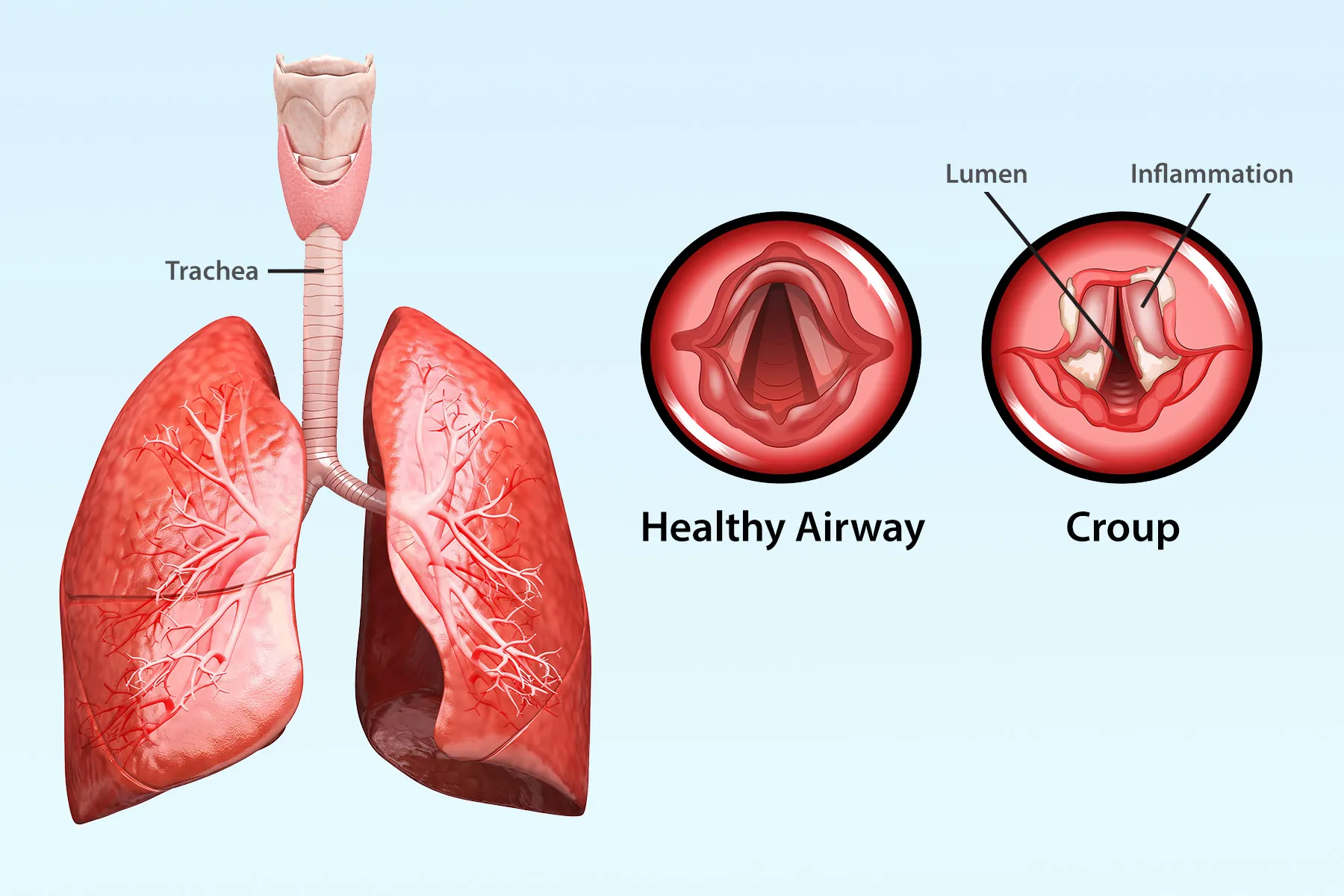
If your child suddenly develops a barking cough and noisy breathing, it may be a condition known as croup. This illness is common in young children and often sounds worse than it is. However, one of the biggest concerns parents have is: is croup contagious? The answer is yes, but the risk of spreading can be reduced with the right care and preventive steps.
Croup is a respiratory illness that affects the upper airways, including the voice box (larynx) and windpipe (trachea). The condition is most common in children under the age of 5, although older kids and even adults can occasionally get it.
Croup is usually caused by a viral infection, most often the parainfluenza virus, but other viruses like influenza, RSV, and adenovirus can also trigger it.
read about>>Is Tonsillitis Contagious?
Yes, croup is contagious because it is typically caused by viruses. Like other respiratory infections, it spreads through:
Children with croup are generally most contagious during the first few days of illness and while they have a fever.
The hallmark sign of croup is a loud, barking cough that often sounds like a seal. Other common symptoms include:
Symptoms usually worsen at night and can last 3–7 days.
Croup is typically contagious for 3–7 days, or until the fever and major symptoms subside. Even after the cough improves, children may continue to spread the virus for a short time.
Most cases of croup are mild and can be treated at home:
For more severe cases, a doctor may prescribe steroids to reduce airway swelling or recommend hospital care if breathing difficulties occur.
Seek medical help immediately if your child has:
Since croup spreads like the common cold, prevention focuses on limiting viral exposure:
So, is croup contagious? Yes—because it is usually caused by viruses that spread through droplets and contact. The good news is that most cases are mild and manageable at home with rest, hydration, and humidified air. With proper prevention and care, you can reduce the risk of spreading the illness and help your child recover more comfortably.
If symptoms worsen or breathing becomes difficult, seek immediate medical care. Early attention can make a big difference in recovery and peace of mind.