Physical Address
304 North Cardinal St.
Dorchester Center, MA 02124
Physical Address
304 North Cardinal St.
Dorchester Center, MA 02124

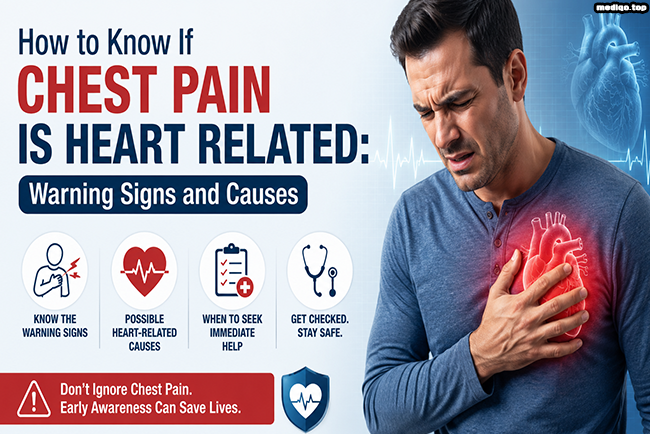
Chest pain can feel frightening. Many people worry that it signals a heart attack or another serious heart condition. However, not all chest pain comes from the heart. Problems involving muscles, lungs, digestion, or anxiety may also cause discomfort in the chest. Knowing the warning signs of heart-related chest pain can help you seek medical care quickly and reduce health risks.
Heart-related chest pain often develops when the heart muscle does not receive enough oxygen-rich blood. This issue may happen because of blocked arteries, heart inflammation, or other cardiovascular conditions. Recognizing the symptoms early can save lives.
Heart-related chest pain usually has specific features. The discomfort may feel like pressure, squeezing, heaviness, or tightness in the center or left side of the chest. Some people describe it as a heavy weight sitting on their chest.
The pain may spread to other areas of the body. It can move into the arms, shoulders, neck, jaw, or back. Shortness of breath often appears alongside chest discomfort. Sweating, dizziness, nausea, or unusual fatigue may also occur.
Symptoms sometimes become worse during physical activity or emotional stress. Rest may reduce the pain temporarily. If chest pain lasts more than a few minutes or returns repeatedly, medical attention is important.
Not every type of chest pain points to a heart problem. Sharp pain that worsens when breathing deeply or moving the body may involve muscles or the lungs. Acid reflux can create a burning sensation in the chest after eating. Anxiety and panic attacks may also cause chest tightness and rapid heartbeat.
Pain linked to muscle strain often feels tender when touched. Digestive issues may improve after taking antacids. Although these causes are common, chest pain should never be ignored without professional evaluation.
Several risk factors increase the chance that chest pain involves the heart. High blood pressure, diabetes, smoking, obesity, and high cholesterol can damage blood vessels over time. Family history also plays a major role in heart disease risk.
Older adults face a higher risk of cardiovascular disease. Men usually develop heart problems earlier than women, but women also experience serious heart conditions. Lack of exercise and unhealthy eating habits can further increase danger.
People with multiple risk factors should pay close attention to unusual chest discomfort. Early diagnosis helps prevent complications.
A heart attack requires immediate medical care. Severe chest pressure lasting longer than five minutes should never be ignored. Pain that spreads into the left arm, jaw, or back may signal blocked blood flow to the heart.
Some people experience cold sweats, vomiting, or sudden weakness during a heart attack. Women may have less obvious symptoms, including fatigue, shortness of breath, or upper back pain. Diabetic patients may even experience mild or silent symptoms.
Call emergency services immediately if these warning signs appear. Fast treatment improves survival rates and reduces heart damage.
Read more >> Early Symptoms of Heart Blockage
Doctors use several methods to determine whether chest pain comes from the heart. A physical examination helps identify possible causes. An electrocardiogram checks the heart’s electrical activity and may detect abnormal rhythms or heart attacks.
Blood tests can reveal heart muscle damage. Imaging tests such as echocardiograms or CT scans may provide more details about blood flow and heart structure. Stress tests help doctors evaluate how the heart works during physical activity.
Accurate diagnosis allows doctors to create the right treatment plan for each patient.
Healthy lifestyle choices can lower the chance of heart-related chest pain. Regular exercise improves blood circulation and strengthens the heart. Eating fruits, vegetables, whole grains, and lean proteins supports cardiovascular health.
Avoiding smoking is essential because tobacco damages arteries. Managing stress can also improve heart function. Regular medical checkups help detect high blood pressure, diabetes, and cholesterol problems early.
Maintaining a healthy weight and sleeping well each night further protect the heart. Small daily habits often create long-term health benefits.
Understanding how to know if chest pain is heart related can help people react quickly during emergencies. Symptoms such as chest pressure, spreading pain, shortness of breath, and sweating often require urgent medical attention. Although some chest pain comes from less serious conditions, professional evaluation remains important.
Early diagnosis and healthy lifestyle choices can protect heart health and reduce complications. Paying attention to warning signs may save lives and improve long-term well-being.