Physical Address
304 North Cardinal St.
Dorchester Center, MA 02124
Physical Address
304 North Cardinal St.
Dorchester Center, MA 02124
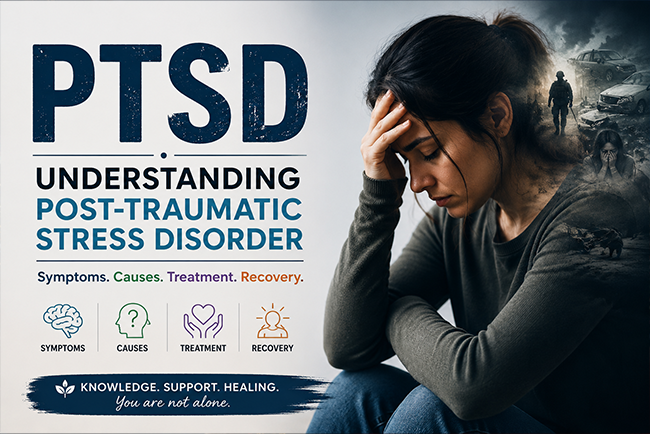
Post-Traumatic Stress Disorder (PTSD) is a mental health condition that can develop after experiencing or witnessing a traumatic event. While many people recover naturally after stressful experiences, some continue to struggle with intense emotions, disturbing memories, and anxiety. Understanding PTSD is essential for recognizing its symptoms and seeking appropriate support.
PTSD, or Post-Traumatic Stress Disorder, occurs when a person has difficulty recovering after a traumatic event. These events may include military combat, serious accidents, natural disasters, physical assault, emotional abuse, or other life-threatening situations.
Although stress after trauma is normal, PTSD symptoms can persist for months or even years, affecting daily life, relationships, and overall well-being.
Read More>>Spirit (2027) Movie
PTSD symptoms generally fall into four categories:
People with PTSD often experience unwanted memories of the traumatic event. These may include:
Many individuals avoid places, people, conversations, or activities that remind them of the traumatic experience. This avoidance can interfere with work, social activities, and personal relationships.
PTSD can affect emotions and thought patterns. Common signs include:
People with PTSD may feel constantly alert or on edge. Symptoms often include:
PTSD develops differently for each individual. Several factors can increase the risk, including:
Not everyone who experiences trauma will develop PTSD. Personal resilience, coping skills, and support systems play important roles in recovery.
Read More>>Schizophrenia: Understanding Symptoms, Causes, and Treatment Options
The impact of PTSD extends beyond emotional distress. It can affect:
Many individuals with PTSD also experience anxiety, depression, or substance misuse, making early intervention especially important.
Effective PTSD treatment is available, and many people experience significant improvement with professional support.
Therapy is one of the most effective treatments for PTSD. Common approaches include:
Healthcare professionals may prescribe medications to help manage symptoms such as anxiety, depression, or sleep disturbances.
Healthy daily habits can support recovery:
If someone you care about has PTSD, consider these supportive actions:
Support from family and friends can make a meaningful difference during recovery.
PTSD is a serious but treatable mental health condition that affects millions of people worldwide. Recognizing PTSD symptoms early and seeking appropriate treatment can greatly improve quality of life. Whether you are experiencing PTSD yourself or supporting someone who is, understanding the condition is the first step toward healing and recovery.
By raising awareness about PTSD, we can reduce stigma, encourage treatment, and help individuals regain control of their lives.