Physical Address
304 North Cardinal St.
Dorchester Center, MA 02124
Physical Address
304 North Cardinal St.
Dorchester Center, MA 02124

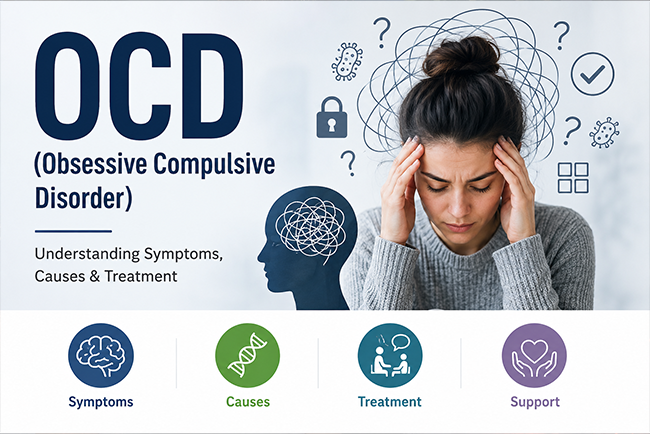
OCD (Obsessive Compulsive Disorder) is a common mental health condition that causes unwanted thoughts, fears, or urges, known as obsessions. These obsessions often lead to repetitive behaviors or mental acts called compulsions. Individuals with OCD feel compelled to perform these actions to reduce anxiety or prevent something bad from happening.
Although many people occasionally double-check things or have routine habits, OCD is much more intense. It can significantly affect daily life, relationships, work, and overall well-being.
OCD symptoms generally fall into two categories: obsessions and compulsions.
Obsessions are persistent and unwanted thoughts that create anxiety. Common examples include:
Compulsions are repetitive behaviors performed to reduce anxiety caused by obsessions. These may include:
As a result, these behaviors can consume several hours each day and interfere with normal activities.
Read More>>The Man with the Bag (2026)
Researchers do not fully understand the exact cause of OCD. However, several factors may contribute to its development.
People with a family history of OCD may have a higher risk of developing the disorder.
Studies suggest that differences in certain brain regions and neurotransmitters, especially serotonin, may play a role.
Stressful life events, trauma, or major changes can sometimes trigger OCD symptoms or make them worse.
OCD can impact many areas of life. For example, individuals may struggle to complete tasks, maintain relationships, or focus at school and work. Furthermore, the constant cycle of obsessions and compulsions can lead to emotional exhaustion, anxiety, and depression.
Because of this, early diagnosis and treatment are extremely important.
The good news is that OCD is treatable. Many people experience significant improvement with proper care.
CBT, particularly Exposure and Response Prevention (ERP), is considered one of the most effective treatments for OCD. It helps individuals face their fears while reducing compulsive behaviors.
Certain antidepressants, especially selective serotonin reuptake inhibitors (SSRIs), may help reduce OCD symptoms. A healthcare professional can determine the most suitable medication.
Read More>>PTSD: Understanding Post-Traumatic Stress Disorder and How to Manage It
In addition to professional treatment, healthy habits can support recovery:
If obsessive thoughts or compulsive behaviors interfere with daily activities, it is important to seek help from a mental health professional. Early intervention often leads to better outcomes and improved quality of life.
OCD (Obsessive Compulsive Disorder) is a challenging but manageable mental health condition. While obsessions and compulsions can disrupt everyday life, effective treatments such as CBT, ERP, and medication can help individuals regain control. Most importantly, seeking professional support is the first step toward recovery and a healthier future.