Physical Address
304 North Cardinal St.
Dorchester Center, MA 02124
Physical Address
304 North Cardinal St.
Dorchester Center, MA 02124

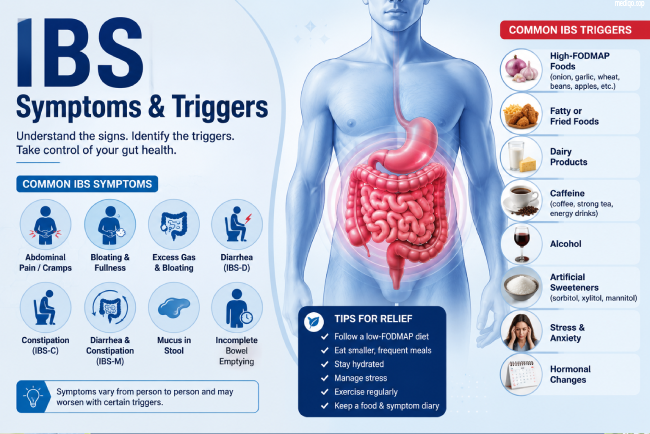
Irritable Bowel Syndrome (IBS) is a common digestive disorder that affects the large intestine. It causes recurring abdominal discomfort and changes in bowel habits without damaging the digestive tract. Although IBS is not considered life-threatening, it can significantly affect daily life, work, and emotional well-being. Millions of adults worldwide experience IBS, making early recognition of symptoms and triggers essential for effective management.
IBS symptoms vary from person to person. Some individuals experience mild discomfort, while others have frequent digestive problems that interfere with normal activities.
The most common IBS symptoms include:
Symptoms usually appear in episodes and may worsen during periods of stress or after eating certain foods.
Many people with IBS notice that specific factors trigger or worsen their symptoms. Identifying personal triggers is an important step toward controlling flare-ups.
Common IBS triggers include:
Foods rich in fermentable carbohydrates often increase bloating, gas, and abdominal discomfort. These foods include onions, garlic, apples, wheat products, beans, and certain dairy products.
Greasy meals can stimulate the digestive tract and trigger diarrhea or stomach cramps in sensitive individuals.
People with lactose intolerance may experience IBS-like symptoms after consuming milk, cheese, or ice cream.
Coffee, energy drinks, and strong tea may speed up bowel movements and worsen diarrhea.
Alcoholic beverages can irritate the digestive system and increase dehydration, leading to symptom flare-ups.
Sugar substitutes such as sorbitol, mannitol, and xylitol may cause gas, bloating, and diarrhea.
Emotional stress strongly affects communication between the brain and the gut. Many people notice increased IBS symptoms during stressful situations.
Some women experience worsening IBS symptoms during menstruation due to hormonal fluctuations.
Doctors classify IBS based on bowel movement patterns.
Constipation is the dominant symptom. Hard stools and difficulty passing bowel movements are common.
Frequent loose stools and urgency occur more often than constipation.
Patients alternate between diarrhea and constipation over time.
Symptoms do not consistently fit into one specific category.
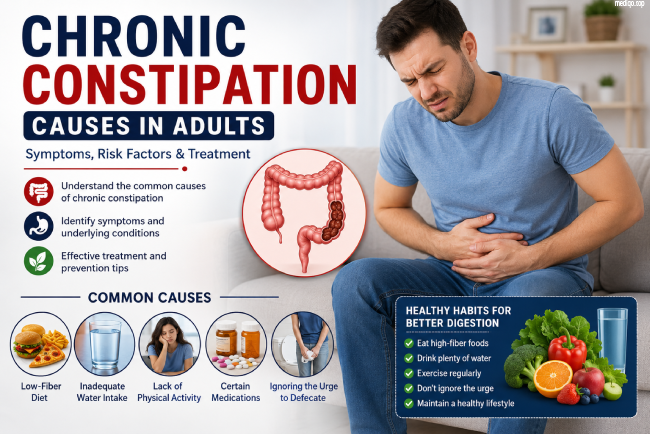
Read more >> Chronic Constipation Causes in Adults: Symptoms & Treatment
There is no single test that confirms IBS. Healthcare providers usually diagnose the condition after reviewing symptoms, medical history, and physical examination.
Additional tests may be recommended to rule out conditions such as:
Doctors often use the Rome IV diagnostic criteria, which focus on recurrent abdominal pain associated with bowel habit changes.
Lifestyle adjustments often provide significant symptom relief.
Helpful strategies include:
Small lifestyle improvements often produce noticeable benefits over time.
Although IBS itself does not cause permanent intestinal damage, some symptoms require immediate medical evaluation.
Seek medical attention if you experience:
These warning signs may indicate another digestive condition that needs prompt treatment.
Understanding the complete IBS symptoms and triggers list helps individuals recognize patterns and reduce flare-ups. While IBS is a chronic condition, many people successfully control symptoms through dietary changes, stress management, regular exercise, and personalized medical care. Tracking symptoms and avoiding known triggers can greatly improve digestive comfort and overall quality of life. If symptoms persist or worsen, consult a healthcare professional for an accurate diagnosis and a treatment plan tailored to your needs.