Physical Address
304 North Cardinal St.
Dorchester Center, MA 02124
Physical Address
304 North Cardinal St.
Dorchester Center, MA 02124

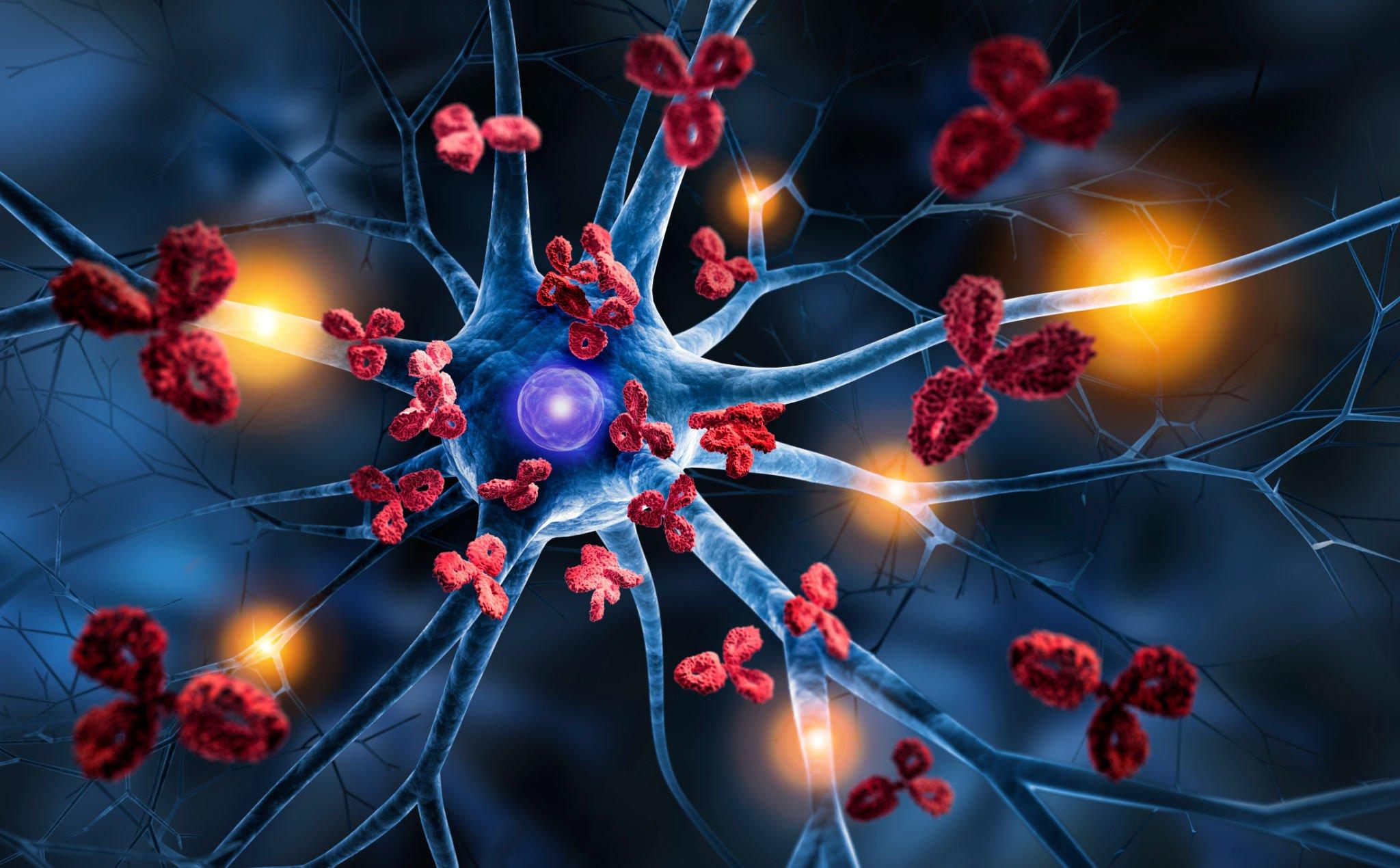
Multiple sclerosis (MS) is a chronic, unpredictable autoimmune disease that affects the central nervous system, leading to fatigue, vision problems, muscle weakness, and mobility challenges. Over the years, researchers have worked tirelessly to find better treatments — and one of the most promising options today is stem cell therapy for multiple sclerosis.
Multiple sclerosis is an autoimmune disorder where the immune system mistakenly attacks the protective myelin sheath that covers nerve fibers in the brain and spinal cord. This damage disrupts communication between the brain and body, leading to symptoms such as:
There’s currently no cure for MS, but treatments can manage symptoms, slow progression, and improve quality of life. Among these, stem cell treatment has emerged as a revolutionary approach.
read about>>Do I Have Celiac Disease Quiz?
Stem cell therapy, particularly Hematopoietic Stem Cell Transplantation (HSCT), is an advanced medical procedure that aims to reset the immune system.
Here’s how it works:
The idea is to halt the progression of multiple sclerosis and prevent further nerve damage.
Recent studies have shown that stem cell therapy can significantly reduce disease activity and, in some cases, lead to long-term remission. According to research published in medical journals, up to 70–80% of patients who underwent HSCT experienced no new relapses or lesions for several years.
Stem cell treatment appears most effective for people with relapsing-remitting MS (RRMS) — the most common form of the disease — especially when other therapies have failed. However, results vary depending on the individual’s age, disease stage, and overall health.
Although promising, stem cell therapy is not without risks. Because it involves chemotherapy, the treatment can temporarily weaken the immune system, increasing the risk of infections. Other possible side effects include:
That’s why this therapy should only be performed in specialized medical centers with experienced professionals.
Not every MS patient is a candidate for stem cell therapy. Generally, doctors may recommend it for:
Before considering the procedure, it’s essential to undergo thorough medical evaluation and discuss potential benefits and risks with your neurologist.
Stem cell therapy represents one of the most exciting developments in MS research. Ongoing clinical trials continue to refine the technique, improve safety, and explore different stem cell types — including mesenchymal stem cells (MSCs), which may promote repair of damaged nerves.
As technology and science advance, stem cell treatment may one day become a mainstream option for reversing or even curing multiple sclerosis.
While there’s still no permanent cure for MS, multiple sclerosis stem cell treatment offers renewed hope for patients worldwide. With proven potential to slow disease progression and, in some cases, restore function, this innovative therapy is changing the landscape of MS care.
If you or a loved one is considering stem cell therapy, consult a qualified specialist to determine whether it’s the right path forward.