Physical Address
304 North Cardinal St.
Dorchester Center, MA 02124
Physical Address
304 North Cardinal St.
Dorchester Center, MA 02124
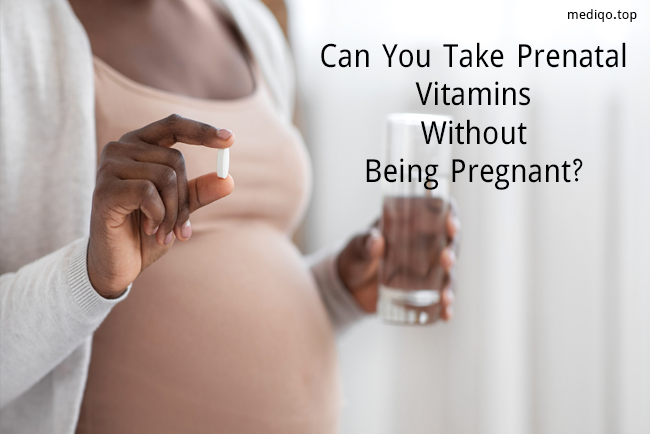
Prenatal vitamins are commonly associated with pregnancy, but many women wonder if it’s safe or beneficial to take them even when they are not expecting. While these supplements are designed to support the health of both the mother and developing baby, they contain essential vitamins and minerals that may offer some benefits for non-pregnant individuals as well.
Prenatal vitamins are specially formulated supplements containing high levels of key nutrients such as folic acid, iron, calcium, vitamin D, iodine, and DHA. These nutrients are critical during pregnancy to support fetal development, prevent birth defects, and maintain maternal health. However, they are not just for pregnancy—they are essentially nutrient-rich multivitamins.
Even if you are not pregnant, prenatal vitamins can offer some health advantages:
Some people also take prenatal vitamins to improve hair, skin, and nail health because these supplements are rich in biotin, vitamin E, and other micronutrients.
While generally safe for most people, taking prenatal vitamins when not needed can sometimes lead to potential issues:
It’s essential to check the label and consult a healthcare provider to ensure you are not exceeding recommended daily values for certain vitamins and minerals.
If your goal is general health rather than pregnancy support, standard multivitamins may be a safer and more cost-effective choice. These provide essential nutrients in balanced amounts without some of the higher doses found in prenatal formulas. Additionally, a nutrient-rich diet with leafy greens, fruits, lean proteins, and dairy can help meet your daily requirements naturally.
Some non-pregnant women may still benefit from prenatal vitamins, including:
However, supplementation should always be personalized, and a doctor or registered dietitian can help determine if prenatal vitamins are appropriate.
In summary, taking prenatal vitamins without being pregnant is generally safe for most adults, particularly women, but it’s not always necessary. They can provide extra nutrients that support energy, bone health, and hair or nail growth. Nevertheless, there are risks if you consume excessive amounts of certain vitamins, and a standard multivitamin or nutrient-rich diet may be a better option for daily health maintenance. Always consult a healthcare professional before starting any new supplement routine.