Physical Address
304 North Cardinal St.
Dorchester Center, MA 02124
Physical Address
304 North Cardinal St.
Dorchester Center, MA 02124

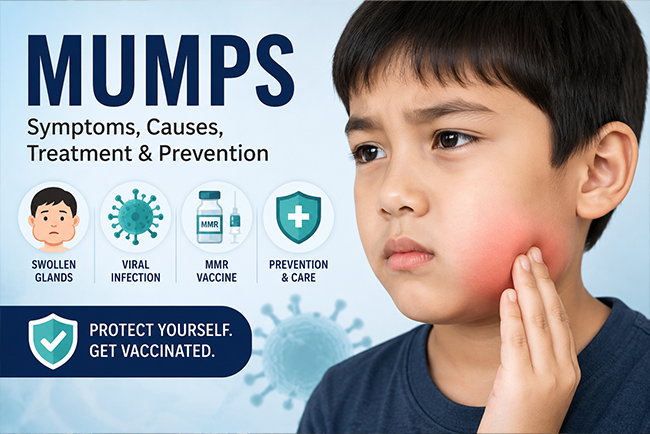
Mumps is a contagious viral infection that mainly affects the salivary glands located near the ears. Although it was once a common childhood illness, widespread vaccination has greatly reduced the number of cases worldwide. However, outbreaks still occur, especially in schools, colleges, and crowded communities where vaccination rates are low.
Understanding mumps, its symptoms, treatment, and prevention can help reduce the spread of the virus and protect your family.
Mumps is caused by the mumps virus, a member of the paramyxovirus family. The infection primarily targets the parotid glands, which produce saliva. As a result, the most recognizable sign is swollen cheeks and a tender jaw.
The virus spreads easily from person to person through respiratory droplets, saliva, coughing, sneezing, or sharing eating utensils.
Symptoms usually appear 16 to 18 days after exposure, although they can develop anywhere between 12 and 25 days.
Common mumps symptoms include:
Some people experience only mild symptoms, while others may have no symptoms at all. Even without symptoms, infected individuals can still spread the virus.
Read More>>Sherlock Holmes 3: Everything We Know About Robert Downey Jr.’s Long-Awaited Return
The mumps virus spreads through close contact with infected people. You may become infected if you:
Because the virus spreads quickly in crowded settings, outbreaks often occur in schools, universities, and daycare centers.
Doctors usually diagnose mumps based on physical symptoms, particularly swollen salivary glands. However, laboratory tests may confirm the diagnosis.
Diagnostic methods include:
Early diagnosis helps reduce transmission and ensures proper care.
There is no specific antiviral treatment for mumps. Instead, treatment focuses on relieving symptoms while the body’s immune system fights the infection.
Helpful home care includes:
Most people recover completely within two weeks.
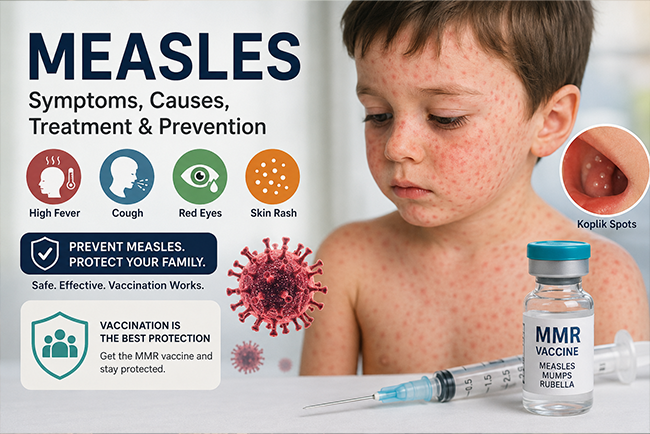
Read More>>Measles: Symptoms, Causes, Treatment & Prevention Guide (2026)
Although many cases are mild, mumps complications can occur, especially in adults.
Potential complications include:
Fortunately, serious complications remain uncommon, particularly among vaccinated individuals.
The most effective way to prevent mumps is through the MMR vaccine, which protects against measles, mumps, and rubella.
Additional prevention tips include:
Vaccination not only protects individuals but also helps reduce community outbreaks.
Contact a healthcare provider if you or your child develops swollen glands, persistent fever, severe headache, confusion, neck stiffness, or difficulty breathing. Immediate medical attention is necessary if symptoms become severe or complications are suspected.
Mumps is a contagious viral illness that can usually be prevented through vaccination. Although most people recover without long-term problems, recognizing the symptoms early helps prevent transmission and reduces the risk of complications. Maintaining good hygiene and staying up to date with the MMR vaccine remain the best defenses against mumps.