Physical Address
304 North Cardinal St.
Dorchester Center, MA 02124
Physical Address
304 North Cardinal St.
Dorchester Center, MA 02124

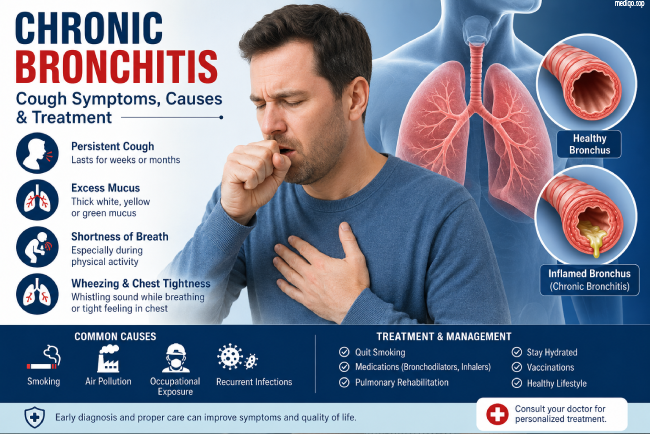
Chronic bronchitis is a long-term lung condition that causes inflammation in the bronchial tubes. These airways carry air to and from your lungs. When they remain inflamed for months, they produce excessive mucus and trigger a persistent cough. Chronic bronchitis is one of the two main conditions classified under Chronic Obstructive Pulmonary Disease (COPD).
The disease develops gradually. Many people mistake the symptoms for a lingering cold or seasonal allergies. Recognizing chronic bronchitis cough symptoms early allows timely medical care and may slow disease progression.
The hallmark symptom is a cough that produces mucus for at least three months per year and continues for two consecutive years. This productive cough often becomes worse during the morning because mucus builds up overnight.
Common chronic bronchitis cough symptoms include:
The cough may seem mild at first. However, it usually becomes more frequent as airway inflammation worsens.
Healthy airways produce a small amount of mucus that traps dust and germs. Tiny hair-like structures called cilia move the mucus out of the lungs.
In chronic bronchitis, long-term irritation damages the cilia. The airway lining produces excessive mucus while losing its natural cleaning ability. As a result, mucus accumulates inside the bronchial tubes. The body responds by coughing repeatedly to remove these secretions.
This cycle of inflammation and mucus production explains why chronic bronchitis cough symptoms often continue for years without proper treatment.
Several factors increase the risk of developing chronic bronchitis.
Cigarette smoking remains the leading cause. Tobacco smoke continuously irritates the airways and damages lung tissue.
Long-term exposure to industrial chemicals, dust, and polluted air can contribute to chronic airway inflammation.
Workers exposed to coal dust, grain dust, chemical fumes, or textile fibers face a higher risk.
Repeated lung infections may increase airway damage over time.
Some inherited conditions, such as alpha-1 antitrypsin deficiency, may increase susceptibility to chronic lung disease.
Medical evaluation is important if your cough lasts longer than three weeks or produces mucus regularly.
Seek immediate medical attention if you experience:
Early diagnosis helps preserve lung function and improves long-term outcomes.
Doctors begin with a detailed medical history and physical examination.
Additional tests may include:
These tests help distinguish chronic bronchitis from asthma, pneumonia, lung cancer, and other respiratory diseases.
Treatment focuses on controlling symptoms, preventing flare-ups, and improving quality of life.
These medicines relax the airway muscles and improve airflow.
Doctors may prescribe inhaled steroids to reduce airway inflammation in selected patients.
Structured exercise and breathing techniques improve endurance and lung efficiency.
People with advanced disease may require supplemental oxygen.
The most effective step is quitting smoking. Additional healthy habits include staying physically active, drinking adequate fluids, avoiding polluted environments, and receiving recommended influenza and pneumonia vaccinations.
Many cases are preventable by protecting your lungs from harmful irritants.
Helpful prevention strategies include:
These measures reduce airway irritation and support long-term lung health.
Chronic bronchitis cough symptoms often begin with what seems like an ordinary persistent cough. Over time, excess mucus production and airway inflammation can significantly affect breathing and daily activities. Recognizing the warning signs early allows prompt diagnosis and appropriate treatment.
If you have a productive cough lasting several months, especially with wheezing or shortness of breath, consult a healthcare professional. Early intervention, smoking cessation, and proper medical management can slow disease progression, reduce flare-ups, and help maintain a better quality of life.
Medical Disclaimer: This article is intended for educational purposes only and should not replace professional medical advice, diagnosis, or treatment. Always consult a qualified healthcare provider regarding persistent respiratory symptoms.