Physical Address
304 North Cardinal St.
Dorchester Center, MA 02124
Physical Address
304 North Cardinal St.
Dorchester Center, MA 02124

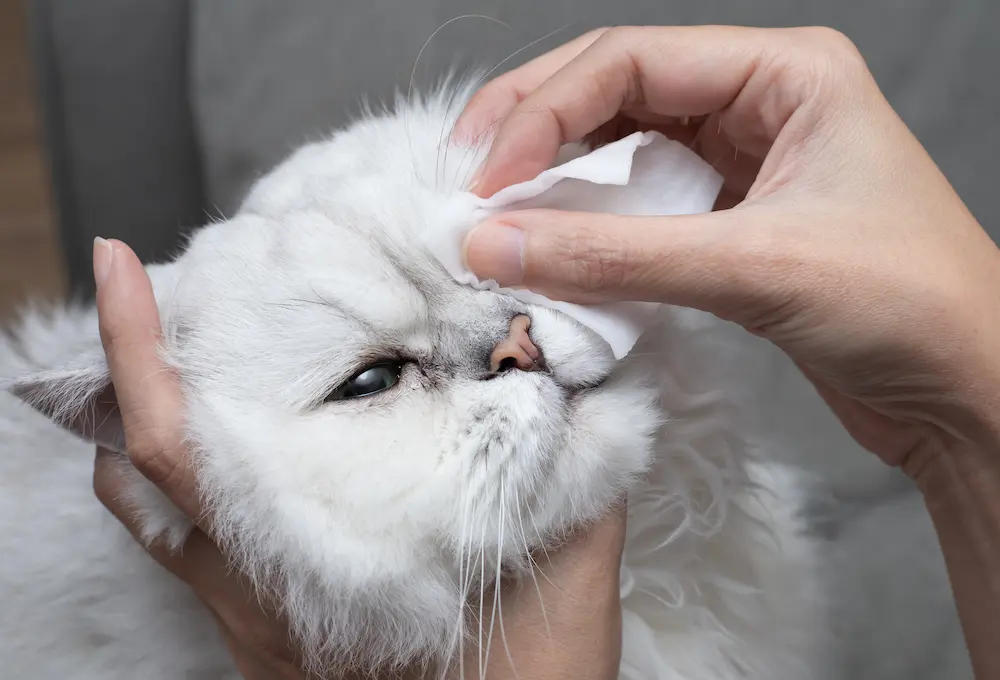
Cats are curious, playful creatures, but their eyes are also quite sensitive. A cat eye infection can develop for many reasons, including bacteria, viruses, allergies, or even foreign particles. Knowing the symptoms and proper cat eye infection treatment helps protect your feline friend’s vision and overall health.
Eye infections in cats can occur for several reasons. The most frequent causes include:
Recognizing the underlying cause is crucial for determining the right treatment.
read about>>Dog Eye Infection Treatment
Cats show visible signs when their eyes are irritated or infected. Here are the most common symptoms:
If your cat shows any of these signs, take them to a veterinarian as soon as possible. Prompt treatment can prevent complications or vision loss.
Treatment depends on the cause and severity of the infection. A veterinarian will typically perform an eye exam and, if needed, laboratory tests to identify bacteria or viruses.
Here are the most common treatment options:
If the infection is bacterial, the vet may prescribe antibiotic drops or ointments to kill the bacteria and reduce inflammation. It’s important to complete the full course, even if symptoms improve early.
For viral infections such as herpesvirus, antivirals may help manage symptoms and shorten recovery time. Lysine supplements can also support the immune system and reduce future flare-ups.
Keeping your cat’s eyes clean is an important part of recovery. Use a soft, damp cloth or cotton ball to gently wipe away discharge. Always clean from the inside corner outward, and use a fresh piece for each eye.
If the infection is allergy-related, removing allergens like dust or smoke from your cat’s environment can make a big difference. Your vet may also recommend antihistamines or eye drops for relief.
Regular grooming, vaccinations, and keeping your cat’s living area clean can help prevent eye infections. Additionally, make sure your cat doesn’t share food or bedding with other sick animals.
Some pet owners try home remedies like saline rinses or herbal drops, but using the wrong solution can make the problem worse. Always consult your veterinarian before applying anything to your cat’s eyes.
If your cat’s symptoms don’t improve within 24 to 48 hours or worsen despite treatment, return to the vet immediately. Delayed care can lead to chronic infections, corneal ulcers, or even permanent vision damage.
A cat eye infection might look minor at first, but it can quickly become serious without proper treatment. Early detection, accurate diagnosis, and consistent care are key to protecting your cat’s eyesight.
By understanding the symptoms and following your vet’s recommendations, you can ensure your furry friend enjoys clear, healthy vision for years to come.