Physical Address
304 North Cardinal St.
Dorchester Center, MA 02124
Physical Address
304 North Cardinal St.
Dorchester Center, MA 02124

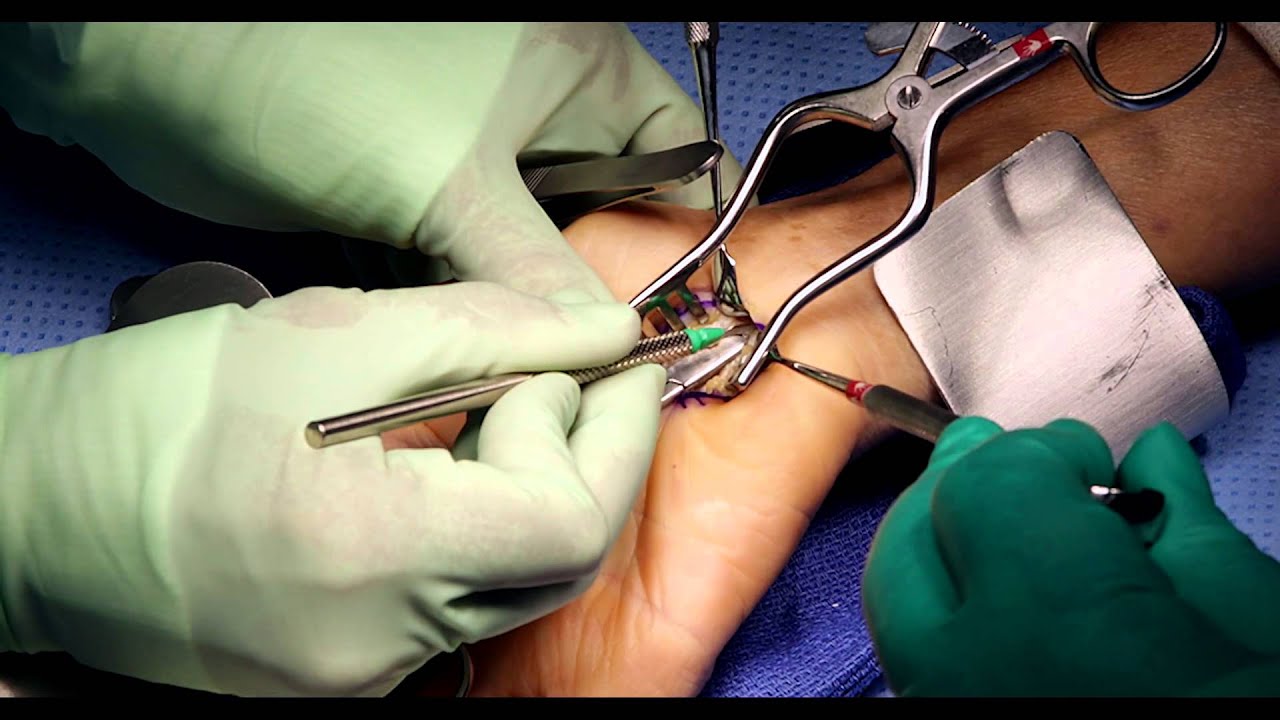
Carpal tunnel syndrome (CTS) is a common condition that causes numbness, tingling, and pain in the hand and wrist. It happens when the median nerve—which runs through a narrow passage in the wrist called the carpal tunnel—becomes compressed. When symptoms worsen or don’t respond to other treatments, carpal tunnel surgery may be the best option.
Carpal tunnel surgery, also known as carpal tunnel release surgery, is a procedure designed to relieve pressure on the median nerve. The goal is to cut the transverse carpal ligament, which forms the roof of the tunnel, allowing more space for the nerve and tendons.
By reducing pressure, the surgery helps ease pain, restore normal hand function, and prevent permanent nerve damage.
read about>>Can Cataracts Come Back?
There are two main types of carpal tunnel surgery, and your surgeon will choose the best one based on your condition and overall health.
In open surgery, the doctor makes a small incision in the palm of your hand to access the carpal tunnel. The surgeon then cuts the ligament to release the pressure on the nerve. Though this method takes slightly longer to heal, it provides a clear view for precise work.
In this minimally invasive option, the surgeon makes one or two smaller incisions and inserts a thin tube with a camera (endoscope). This allows them to cut the ligament using specialized tools while viewing the area on a screen. Recovery time is usually faster with less scarring and discomfort.
Before the procedure, your doctor may recommend nerve conduction tests or electromyography (EMG) to confirm the diagnosis. You’ll also discuss your medical history, medications, and any allergies.
Most surgeries are performed under local anesthesia on an outpatient basis, meaning you can go home the same day. It’s important to arrange for someone to drive you home after surgery, as you won’t be able to use your hand normally right away.
Recovery varies from person to person, but most patients notice significant improvement within weeks.
After surgery, your wrist will be bandaged or splinted for protection. You may experience mild swelling, pain, or stiffness, which can be managed with prescribed medication or ice packs.
Your doctor might recommend physical or occupational therapy to restore strength and flexibility. Gentle finger and wrist exercises can help reduce stiffness and promote healing.
Light activities can resume after a few days, but full recovery typically takes 4 to 6 weeks. If your job involves heavy lifting or repetitive hand motions, you may need additional time before returning to work.
Following your surgeon’s post-operative care instructions is key to achieving the best results.
Most patients experience lasting relief from pain and numbness after surgery. Other benefits include:
Studies show that over 90% of patients notice significant symptom improvement after surgery, especially when treated early.
Although carpal tunnel surgery is generally safe, some risks exist, including infection, scarring, stiffness, or nerve injury. Choosing an experienced surgeon and following post-surgery care recommendations help minimize these risks.
Carpal tunnel surgery offers a reliable, long-term solution for people struggling with chronic wrist pain and hand numbness. Early diagnosis, skilled surgical care, and consistent rehabilitation can help restore comfort and functionality.
If you’ve tried other treatments without success, talk to your doctor about whether carpal tunnel surgery is right for you. With proper care, most patients return to pain-free, active living within a few short weeks.




