Physical Address
304 North Cardinal St.
Dorchester Center, MA 02124
Physical Address
304 North Cardinal St.
Dorchester Center, MA 02124

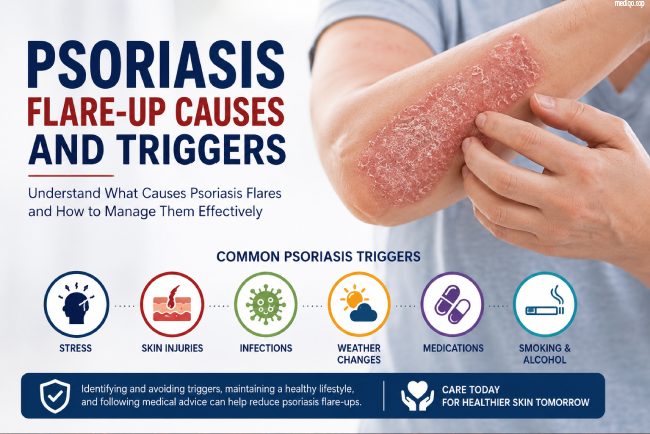
Psoriasis is a chronic autoimmune skin condition that speeds up the growth cycle of skin cells. This process causes thick, scaly, and inflamed patches that often appear on the elbows, knees, scalp, and lower back. Symptoms may improve for weeks or months before returning. These episodes are known as flare-ups. Learning what causes psoriasis flare-ups can help people reduce their frequency and severity. Although there is no permanent cure, understanding personal triggers makes long-term management more effective.
Psoriasis develops because the immune system mistakenly attacks healthy skin cells. This reaction creates inflammation and rapid skin cell production. A flare-up usually happens when internal or external triggers activate the immune response. Every person has different triggers. Some people experience mild symptoms, while others develop widespread plaques that interfere with daily activities. Identifying these triggers is an important part of controlling the disease.
Emotional stress is among the most common reasons for psoriasis flare-ups. Stress increases inflammatory chemicals throughout the body, making symptoms worse. At the same time, visible skin changes can increase anxiety, creating a cycle that becomes difficult to break. Relaxation techniques such as meditation, regular exercise, deep breathing, and adequate sleep may help lower stress levels. Many patients notice fewer flare-ups after improving stress management.
Cuts, scratches, burns, insect bites, tattoos, and even severe sunburn may trigger psoriasis in previously healthy skin. This response is known as the Koebner phenomenon. New plaques often develop days or weeks after the injury. Protecting the skin during daily activities reduces the risk. Wearing protective clothing, using sunscreen, and treating wounds promptly are practical preventive measures.
Certain infections can activate the immune system and trigger psoriasis symptoms. Strep throat is especially linked to guttate psoriasis, which causes many small red spots on the skin. Respiratory infections, influenza, and other illnesses may also worsen existing psoriasis. Maintaining good hygiene, staying current with recommended vaccinations, and seeking timely medical care for infections may reduce this risk.
Cold weather often makes psoriasis worse. Lower humidity and indoor heating remove moisture from the skin, leading to dryness and irritation. Dry skin becomes more vulnerable to cracking and inflammation. Applying fragrance-free moisturizers every day helps maintain the skin barrier. Using a humidifier indoors during winter can also improve skin hydration and reduce discomfort.
Some medications are known to trigger or aggravate psoriasis in certain individuals. These include lithium, beta-blockers, antimalarial drugs, and the sudden withdrawal of oral corticosteroids. Never stop prescription medication without medical advice. If psoriasis worsens after starting a new medicine, consult your healthcare provider. An alternative treatment may be available without compromising overall health.
Smoking and excessive alcohol consumption are associated with more severe psoriasis and frequent flare-ups. Smoking increases inflammation and may reduce the effectiveness of treatment. Heavy alcohol use can also interfere with medications and weaken immune regulation. Maintaining a healthy weight through balanced nutrition and regular physical activity may reduce inflammation. Some people also notice symptom improvement after avoiding foods that personally trigger discomfort, although dietary triggers vary between individuals.
Read more >> Eczema Itching Treatment at Home: Safe Relief Tips
Hormonal fluctuations may influence psoriasis activity. Puberty, pregnancy, and menopause can change symptom patterns in some individuals. Lack of sleep, obesity, and chronic health conditions may also contribute to flare-ups. Keeping a symptom diary helps identify personal patterns. Recording stress levels, meals, medications, weather conditions, and illness can reveal triggers that might otherwise go unnoticed.
Medical attention is important if psoriasis spreads rapidly, becomes painful, develops signs of infection, or stops responding to treatment. Modern therapies include topical medications, phototherapy, oral medicines, and biologic drugs that target specific immune pathways. Early treatment often prevents complications and improves quality of life. Regular follow-up with a dermatologist helps ensure that therapy remains effective and safe.
Psoriasis flare-ups often result from a combination of immune activity and personal triggers. Stress, skin injuries, infections, weather changes, medications, smoking, alcohol, and hormonal shifts are among the most common causes. While triggers differ from person to person, identifying them is one of the best ways to reduce future outbreaks. Healthy lifestyle habits, consistent skin care, and regular medical guidance can help people manage psoriasis successfully and maintain healthier skin over time.