Physical Address
304 North Cardinal St.
Dorchester Center, MA 02124
Physical Address
304 North Cardinal St.
Dorchester Center, MA 02124

Just like humans, cats can suffer from asthma. Cat asthma is a chronic respiratory condition that causes inflammation and narrowing of the airways. It can lead to coughing, wheezing, and breathing difficulties. Thankfully, with the right cat asthma treatment, most felines can live a healthy and comfortable life.
Cat asthma, also known as feline bronchial disease, is caused by inflammation in the lower airways. This inflammation leads to spasms and mucus buildup, making it hard for your cat to breathe. The condition is often triggered by allergens such as dust, pollen, smoke, or strong perfumes.
According to veterinarians, cat asthma affects about 1% to 5% of cats worldwide. It usually develops between the ages of two and eight years and is more common in females. Siamese and Himalayan breeds appear to be at higher risk.
read about>>Cat Eye Infection Treatment
Recognizing the symptoms early helps in faster treatment. Common signs include:
If your cat shows these symptoms, seek veterinary care immediately. Untreated asthma can lead to life-threatening attacks.
Your veterinarian will perform several tests to confirm asthma. These may include chest X-rays, blood work, and sometimes a bronchoscopy. These tests rule out other issues like heart disease, lung infections, or parasites.
Early diagnosis is key. The sooner your cat starts asthma treatment, the better the outcome.
Treatment for cat asthma focuses on reducing airway inflammation, relieving symptoms, and preventing flare-ups. The main treatment options include:
These anti-inflammatory drugs are the cornerstone of cat asthma treatment. Prednisolone is the most common steroid prescribed. It helps reduce swelling and mucus in the airways. Steroids can be given orally, by injection, or through inhalers.
These medications open up the airways, making it easier for your cat to breathe. They are often used in combination with steroids. Inhalers like Flovent or Albuterol are effective for quick relief.
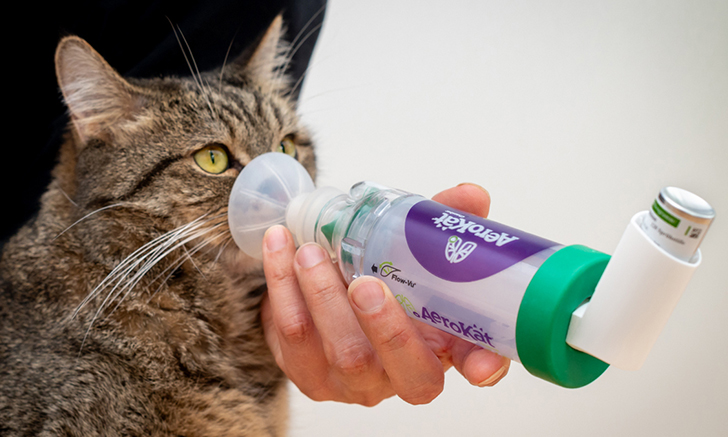
Veterinarians now prefer inhaled medications over oral ones because they act directly on the lungs and have fewer side effects. A cat inhaler, such as the AeroKat chamber, is specially designed to deliver medication safely and comfortably.
Limiting exposure to allergens is vital. Keep your cat’s environment clean and free from irritants. Avoid smoking indoors, use air purifiers, and choose unscented litter. Regularly vacuum carpets and wash bedding to remove dust and dander.
In addition to medical treatments, some natural remedies can support your cat’s respiratory health. Omega-3 fatty acids, for example, help reduce inflammation. Humidifiers may also make breathing easier, especially in dry climates. However, always discuss supplements or natural treatments with your veterinarian before use.
With the right management, cats with asthma can live long, happy lives. Regular vet checkups, consistent medication, and a clean environment make all the difference. Keep a record of symptoms and medication schedules to track your cat’s progress.
Cat asthma treatment is highly effective when managed early and consistently. Using a combination of medication, environmental care, and vet supervision, your cat can enjoy a normal and active life. If you suspect your feline companion has asthma, consult your vet immediately for the best course of treatment.