Physical Address
304 North Cardinal St.
Dorchester Center, MA 02124
Physical Address
304 North Cardinal St.
Dorchester Center, MA 02124
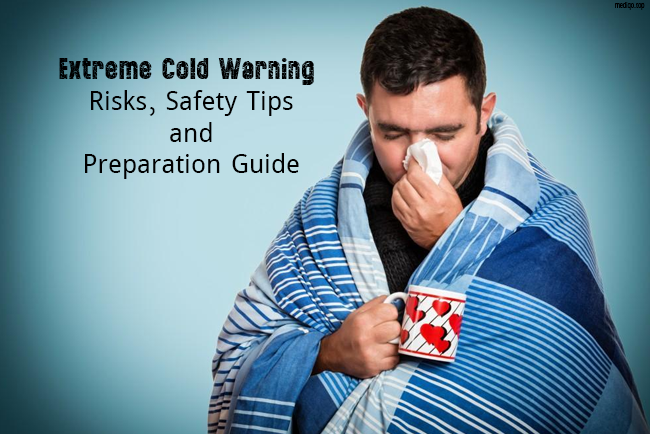
An extreme cold warning is issued by meteorological authorities when temperatures are dangerously low and pose a risk to human health and safety. These warnings often occur during the winter months in regions prone to harsh weather. The threshold for an extreme cold warning varies by location, but it typically involves temperatures that can cause frostbite or hypothermia within minutes if precautions are not taken.
Extreme cold warnings are not just about discomfort—they are serious public safety alerts. Understanding what they mean and how to respond is crucial for everyone, especially vulnerable populations like children, the elderly, and those with medical conditions.
Exposure to extreme cold can lead to severe health issues. Frostbite occurs when skin and underlying tissues freeze, commonly affecting fingers, toes, nose, and ears. Hypothermia, another major risk, happens when the body loses heat faster than it can produce, causing a dangerous drop in core temperature. Symptoms include shivering, confusion, slurred speech, and in extreme cases, unconsciousness or death.
Extreme cold can also worsen existing medical conditions such as cardiovascular and respiratory problems. Additionally, icy roads and sidewalks increase the risk of slips, falls, and accidents, making travel more dangerous.
Certain groups are more vulnerable during an extreme cold warning:
Awareness of these high-risk groups can help families, caregivers, and communities take preventive action before severe cold sets in.
Preparation is key to staying safe during extreme cold conditions. Here are some important steps:
These preparations reduce the risk of frostbite, hypothermia, and other cold-related emergencies.
Even with preparation, safety during extreme cold requires vigilance:
Following these tips can prevent serious injuries and ensure personal safety during dangerous cold weather.
If someone shows signs of hypothermia or frostbite, immediate action is critical:
Recognizing early symptoms and acting quickly can save lives during extreme cold events.
An extreme cold warning is more than a weather notice—it is a vital alert to protect lives and property. Understanding the dangers, identifying vulnerable individuals, and taking preventive measures can significantly reduce the risks associated with extreme cold. By preparing wisely and following safety guidelines, you can stay safe and healthy during severe winter weather conditions.