Physical Address
304 North Cardinal St.
Dorchester Center, MA 02124
Physical Address
304 North Cardinal St.
Dorchester Center, MA 02124

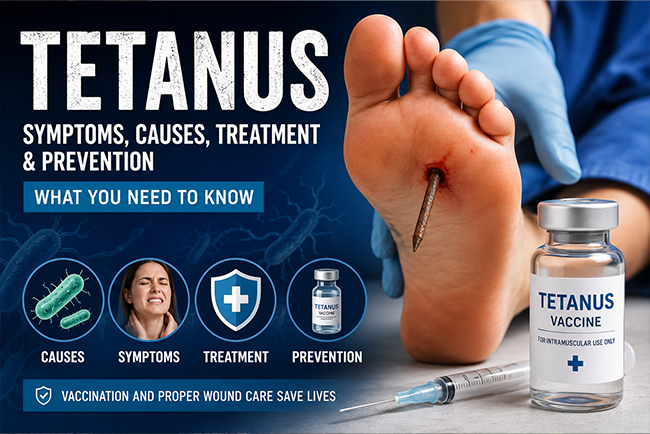
Tetanus is a serious bacterial infection caused by Clostridium tetani. The bacteria produce a powerful toxin that affects the nervous system and causes painful muscle stiffness and spasms. Tetanus is also commonly called lockjaw because jaw stiffness is often one of its first signs.
Tetanus does not spread from person to person. Instead, the bacteria usually enter the body through broken skin, such as a deep puncture wound, cut, burn, or contaminated injury. Although tetanus is uncommon in areas with strong vaccination programs, it can be life-threatening when it occurs.
Tetanus is caused by spores of Clostridium tetani, which can be found in soil, dust, manure, and other environmental materials. The spores can enter the body through wounds, especially wounds contaminated with dirt or dead tissue.
Higher-risk injuries include:
However, a person may sometimes develop tetanus without remembering a specific injury.
Read More>>Frank Lampard Reveals How Mourinho and Ancelotti Shaped His Management Style
Tetanus symptoms usually develop 3 to 21 days after the bacteria enter the body. Most cases occur within about two weeks.
Common symptoms include:
Muscle spasms can become severe and may be triggered by sudden sounds or physical stimulation. Because tetanus can interfere with breathing, it requires urgent medical attention.
Doctors generally diagnose tetanus based on symptoms, physical examination, and medical history. There is no routine laboratory test that can reliably confirm or rule out tetanus.
If someone develops jaw stiffness, painful muscle spasms, or difficulty breathing after an injury, immediate medical evaluation is important.
Read More>>Leprosy: Symptoms, Causes, Treatment, and Prevention
Tetanus is a medical emergency and usually requires hospital treatment. Treatment may include human tetanus immune globulin, thorough wound care, antibiotics, medicines to control muscle spasms, and tetanus vaccination. Some patients with severe disease may require breathing support.
Treatment should always be managed by qualified healthcare professionals. Do not attempt to treat suspected tetanus at home.
Vaccination is the best way to prevent tetanus. Tetanus-containing vaccines are recommended throughout life. Depending on age and vaccination history, vaccines may include DTaP, Tdap, or Td. Adults generally need booster vaccination according to recommended schedules.
Good wound care is also important. Clean wounds promptly and seek medical advice for deep, dirty, puncture, or heavily contaminated injuries. Depending on vaccination history and the type of wound, a healthcare professional may recommend a tetanus vaccine and, in some cases, tetanus immune globulin.
Tetanus is a dangerous but preventable infection. Recognizing symptoms such as lockjaw, muscle stiffness, and painful spasms can help people seek urgent medical care. Keeping vaccinations up to date and practicing proper wound care are the most effective ways to reduce the risk of tetanus.
Important: This article is for general health information and does not replace professional medical advice. If you have symptoms of tetanus or a high-risk wound, seek medical care promptly.