Physical Address
304 North Cardinal St.
Dorchester Center, MA 02124
Physical Address
304 North Cardinal St.
Dorchester Center, MA 02124

Having a baby can bring happiness, excitement, and major life changes. However, the postpartum period can also feel overwhelming. Many new mothers experience mood changes after childbirth. Some symptoms may improve within a few days. Others can signal postpartum depression.
Recognizing the postpartum depression early warning signs can help mothers receive support sooner. Early treatment can improve recovery and make daily life easier.
Postpartum depression is a type of depression that develops during pregnancy or after childbirth. It can affect a mother’s emotions, thoughts, behavior, and ability to manage everyday activities.
The condition is different from the temporary “baby blues.” Baby blues often cause crying, irritability, or mood swings during the first days after birth. These feelings usually improve within about two weeks.
Postpartum depression tends to be stronger or last longer. It can also interfere with caring for yourself or your baby.
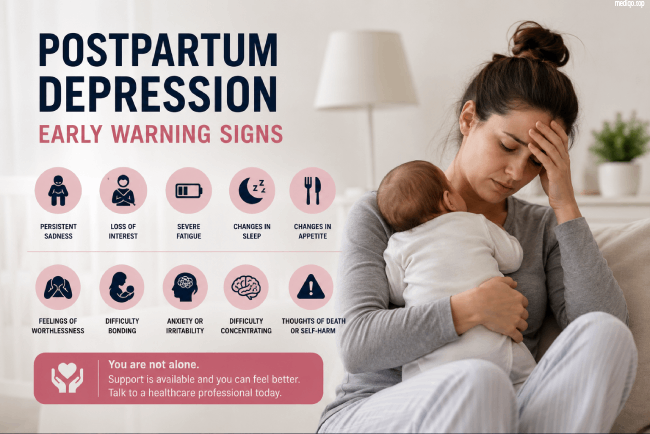
Feeling sad occasionally does not necessarily mean depression. However, sadness that continues most days may be a warning sign. You may feel empty, hopeless, or emotionally exhausted.
Activities that once felt enjoyable may suddenly seem unimportant. You might lose interest in hobbies, social activities, or spending time with loved ones.
Caring for a newborn can naturally cause tiredness. However, postpartum depression may cause overwhelming exhaustion that does not improve with reasonable rest.
You may struggle to complete simple daily tasks.
Sleep can change significantly after childbirth because babies often wake during the night. Still, depression may cause unusual sleep problems.
You might have difficulty sleeping even when your baby sleeps. Some mothers may also sleep much more than usual.
Postpartum depression can affect eating habits. You may have little appetite or experience increased hunger. Significant changes can also contribute to low energy.
Some mothers blame themselves for everything. You may believe that you are a bad mother or that your baby deserves someone better.
These thoughts are not evidence of poor parenting. They can be symptoms of depression.
Some mothers struggle to develop an emotional connection with their newborn. You may feel detached or emotionally numb.
This experience can cause guilt. However, it does not mean that you do not love your child.
Postpartum depression can involve more than sadness. You may experience constant worry, restlessness, anger, or irritability.
Small problems may suddenly feel impossible to manage.
Depression can make it harder to focus or make decisions. You might forget appointments, lose track of conversations, or struggle with routine responsibilities.
Thoughts about death, suicide, or hurting yourself require immediate attention. it about harming your baby also require urgent professional help.
Do not stay alone with these thoughts. Contact emergency services or a crisis service in your country, and tell a trusted person immediately.
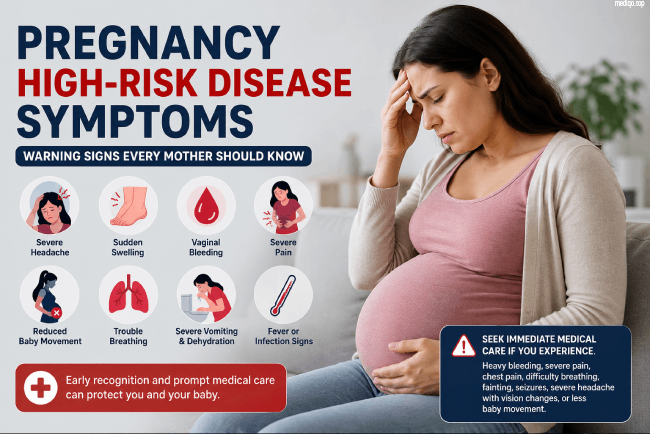
Read more >> Pregnancy High-Risk Disease Symptoms: Warning Signs
Postpartum depression can affect any mother. However, the risk may increase with certain circumstances.
These include a previous history of depression, limited social support, stressful life events, pregnancy complications, financial difficulties, and challenges related to childbirth or infant care.
Having risk factors does not mean you will develop postpartum depression.
You should speak with a healthcare professional if symptoms last longer than two weeks, become severe, or interfere with everyday life.
You do not need to wait until symptoms become overwhelming. A doctor, midwife, therapist, or other qualified healthcare professional can assess your symptoms and discuss treatment options.
Treatment may include counseling, medication, lifestyle support, or a combination of approaches. With appropriate care, many mothers improve significantly.
Knowing the postpartum depression early warning signs can make a major difference. Persistent sadness, anxiety, exhaustion, loss of interest, guilt, sleep changes, and difficulty bonding deserve attention.
Most importantly, postpartum depression is not a personal failure. It is a treatable health condition.
If you or someone you know is experiencing concerning symptoms, encourage professional support as soon as possible. Early recognition and timely care can help mothers feel better and support healthier family relationships.