Physical Address
304 North Cardinal St.
Dorchester Center, MA 02124
Physical Address
304 North Cardinal St.
Dorchester Center, MA 02124
Meningitis is a serious condition involving inflammation of the protective membranes surrounding the brain and spinal cord. It can be caused by bacteria, viruses, fungi, parasites, and, less commonly, certain medicines or other medical conditions. Because some forms can become life-threatening quickly, recognizing meningitis symptoms and seeking medical care early is important.
Meningitis occurs when the meninges, the protective layers around the brain and spinal cord, become inflamed. Bacterial meningitis is particularly dangerous and can progress rapidly. Viral meningitis is more common and is often less severe, although it can still require medical evaluation.
The exact treatment depends on the cause. Therefore, meningitis should not be diagnosed or treated based only on symptoms.
Read More>>I’m Game: Dulquer Salmaan’s Upcoming Action Thriller Is Ready to Raise the Stakes
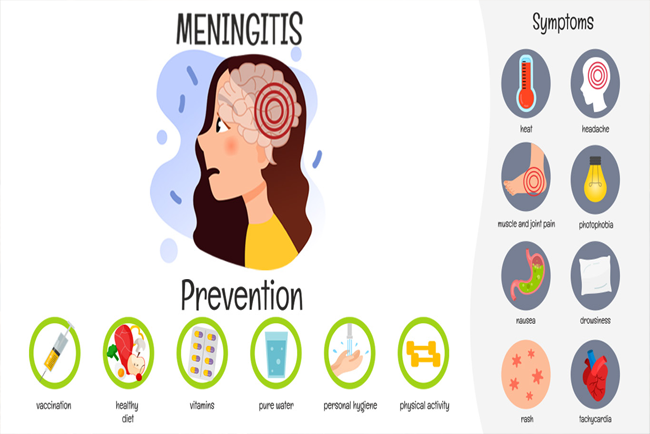
Common meningitis symptoms include:
Symptoms may appear suddenly or develop over time. Meningococcal disease can sometimes worsen very quickly and may also cause bloodstream infection and sepsis.
Babies may not show the classic signs of meningitis. Instead, they may:
Parents should seek urgent medical attention if a baby develops concerning symptoms.
Read More>>Caitlin Clark Sparks Debate Over Babe Ruth Comparisons After Historic WNBA Season
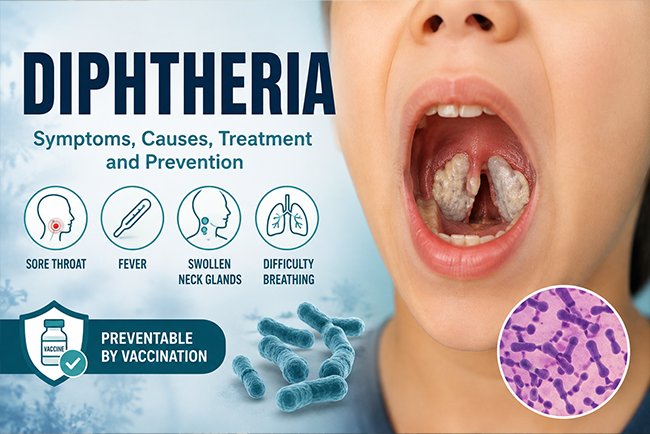
Several infections can cause meningitis. Major causes include bacterial and viral infections. Important bacterial causes include meningococcus, pneumococcus, Haemophilus influenzae, and Group B Streptococcus. Some viruses, including enteroviruses, herpesviruses, influenza, measles, and mumps viruses, can also cause meningitis.
Fungal infections, parasites, and certain non-infectious conditions can cause less common forms of meningitis.
Doctors may use a combination of medical history, physical examination, blood tests, and tests of cerebrospinal fluid. A lumbar puncture, also called a spinal tap, may help identify the cause.
Determining the cause is important because treatment differs between bacterial, viral, and other types of meningitis.
Treatment depends on the underlying cause. Bacterial meningitis is a medical emergency and requires antibiotics as quickly as possible when suspected. Treatment should not be unnecessarily delayed while waiting for diagnostic results.
Viral meningitis often improves without specific treatment. However, some viral infections may require antiviral medicines, particularly in severe cases or when specific viruses are responsible. Hospital care may be necessary for serious illness.
Vaccination is one of the most effective ways to prevent several important causes of bacterial meningitis. Vaccines can protect against meningococcal disease, pneumococcal disease, and Haemophilus influenzae type b.
Good hygiene can also reduce exposure to some viruses. Regular handwashing, avoiding close contact with sick people, and staying home when ill can help limit the spread of infections that may cause viral meningitis.
Meningitis can become serious rapidly. Seek emergency medical care immediately if you or someone else develops symptoms such as fever, severe headache, stiff neck, confusion, seizures, or significant changes in behavior. Prompt treatment is especially important when bacterial meningitis is suspected.
Meningitis is a potentially serious disease that requires prompt medical evaluation. Knowing the warning signs, understanding the causes, following recommended vaccination schedules, and seeking urgent care when symptoms appear can help reduce the risk of severe complications.
Medical disclaimer: This article is for general educational purposes and does not replace professional medical advice, diagnosis, or treatment.