Physical Address
304 North Cardinal St.
Dorchester Center, MA 02124
Physical Address
304 North Cardinal St.
Dorchester Center, MA 02124

Bird flu, also known as avian influenza, has long been a concern for humans and poultry. But what about our beloved pets, especially dogs? Many pet owners wonder: can dogs get bird flu? This article explores the risks, symptoms, prevention, and what you should know to keep your furry friend safe.
Bird flu is a viral infection caused by the avian influenza virus. It primarily affects birds, including chickens, ducks, and wild migratory birds. The virus can sometimes infect humans and other mammals, leading to serious health complications. There are several strains, with H5N1 and H7N9 being the most well-known for causing severe illness.
While birds are the main carriers, the virus has occasionally jumped to other species, raising concerns for pets like dogs.
Yes, dogs can get bird flu, but it is relatively rare. The avian influenza virus can infect dogs through direct contact with infected birds or their droppings. Most reported cases have been in countries with widespread bird flu outbreaks, particularly in Asia.
However, it’s important to note that the infection is not common in dogs, and transmission from dog to dog is considered extremely rare. Unlike humans, dogs are not a primary host for the virus, so the risk remains low under normal circumstances.
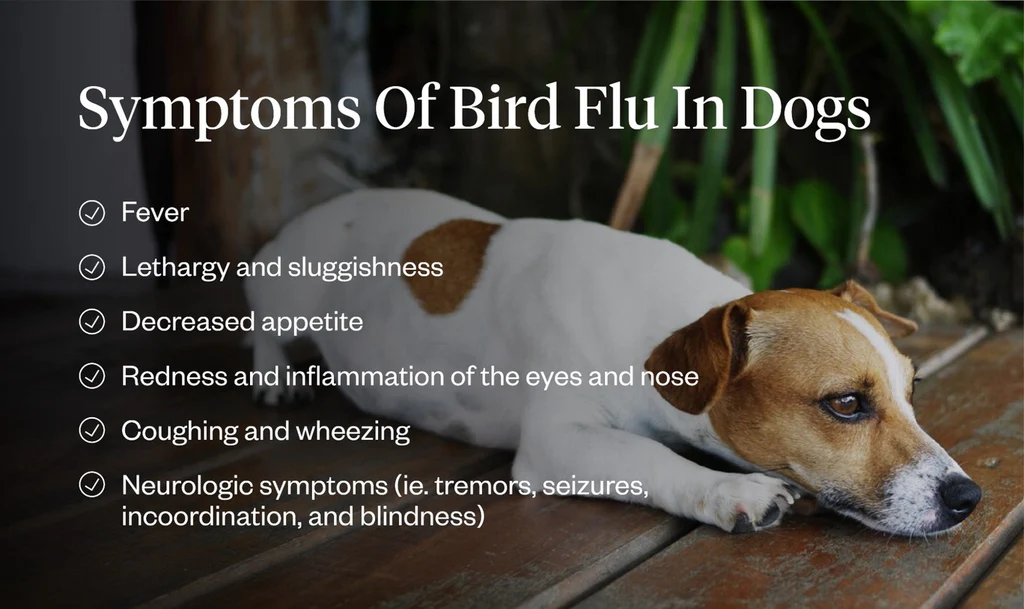
If a dog does contract bird flu, the symptoms may include:
These symptoms are similar to other viral or bacterial infections, which makes diagnosis challenging without proper veterinary testing. If your dog shows any of these signs after exposure to birds, it is crucial to contact a veterinarian immediately.
The primary ways dogs may get bird flu include:
It is important to limit your dog’s exposure to wild birds and infected poultry during outbreaks.
Preventing bird flu in dogs is all about minimizing exposure and practicing good hygiene. Here are some tips:
By following these precautions, you can significantly reduce the risk of your dog contracting bird flu.
While the likelihood of dogs getting bird flu is low, it is not impossible. Awareness, prevention, and early intervention are key to keeping your dog safe. Pet owners should stay informed during bird flu outbreaks, maintain good hygiene, and monitor their pets for any unusual symptoms.
Understanding the risks and taking proactive steps can ensure that your dog remains healthy even when avian influenza is a concern. After all, prevention is always better than cure.