Physical Address
304 North Cardinal St.
Dorchester Center, MA 02124
Physical Address
304 North Cardinal St.
Dorchester Center, MA 02124

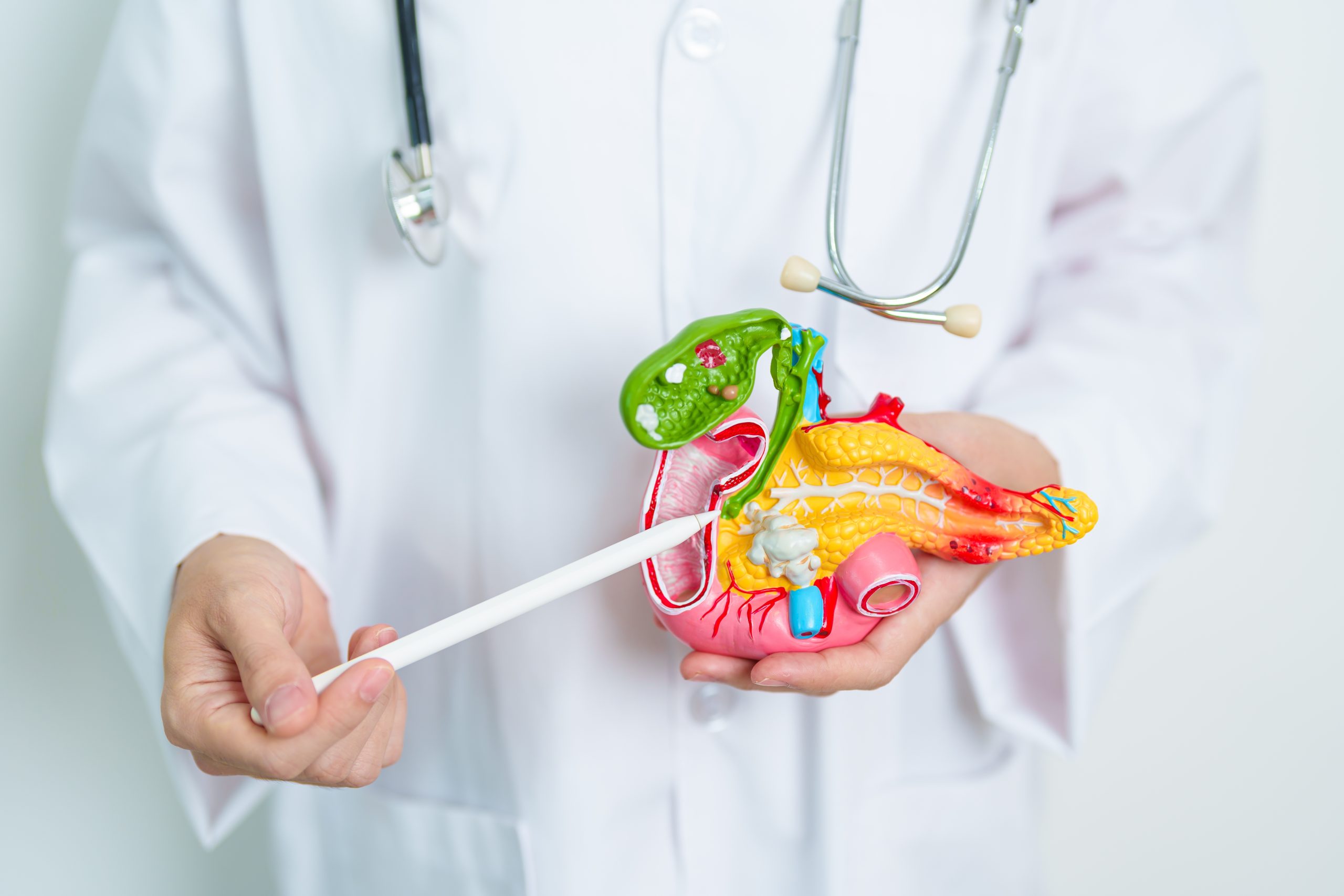
Pancreatitis is a medical condition that occurs when the pancreas becomes inflamed. The pancreas, located behind the stomach, plays a key role in digestion and blood sugar regulation. When this organ becomes irritated or swollen, it can lead to pain, digestive problems, and even serious health complications if left untreated.
Pancreatitis happens when digestive enzymes begin to attack the pancreas instead of helping digest food. As a result, the tissue becomes damaged and inflamed. There are two main forms of this condition: acute pancreatitis and chronic pancreatitis.
Acute pancreatitis appears suddenly and usually lasts for a short period. In contrast, chronic pancreatitis develops gradually and can cause lasting harm to the pancreas. While the severity varies from mild discomfort to life-threatening illness, both types require medical attention.
read about>>Can Allergies Cause Swollen Lymph Nodes?
Several factors can trigger inflammation in the pancreas. The most frequent cause is gallstones, which block the pancreatic duct and prevent enzymes from flowing normally. Heavy alcohol consumption is another major cause, especially in long-term drinkers.
In addition, high triglyceride levels, certain medications, and genetic factors can also contribute to the disease. Sometimes, the exact cause remains unknown, a condition known as idiopathic pancreatitis. Understanding these triggers is important for both prevention and treatment.
Recognizing the early signs of pancreatitis can make a significant difference in recovery. Common symptoms include:
If you notice these symptoms after eating fatty meals or drinking alcohol, it’s crucial to consult a healthcare professional. Early intervention can help prevent severe complications.
To diagnose pancreatitis, doctors typically use a combination of blood tests, ultrasound, CT scans, and MRI imaging. Once identified, treatment depends on whether the condition is acute or chronic.
Treatment focuses on reducing inflammation and relieving symptoms. Patients often receive:
Long-term management includes lifestyle changes and medical support. Common steps include:
With proper care, patients can control symptoms and improve their quality of life.
Although pancreatitis can develop unexpectedly, healthy habits can reduce your risk. Limiting alcohol intake, eating a balanced diet, staying hydrated, and maintaining normal cholesterol levels are essential. Furthermore, avoiding unnecessary medications that stress the pancreas can also help.
Persistent abdominal pain, nausea, vomiting, or yellowing of the skin (jaundice) should never be ignored. Seeking prompt medical evaluation allows doctors to address the issue before complications like diabetes or pancreatic cancer arise.
Pancreatitis can be a painful and challenging condition, but it is manageable with the right care and awareness. By making healthy lifestyle choices, getting timely treatment, and following medical advice, individuals can protect their pancreas and prevent future flare-ups. Ultimately, prevention and early action are the keys to long-term pancreatic health.