Physical Address
304 North Cardinal St.
Dorchester Center, MA 02124
Physical Address
304 North Cardinal St.
Dorchester Center, MA 02124

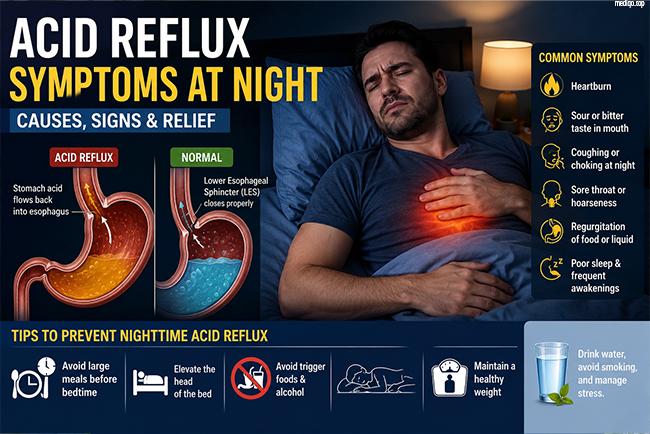
Acid reflux is a common digestive condition that affects millions of people worldwide. While symptoms may occur during the day, they often become worse at night when the body is lying flat. Nighttime acid reflux can interrupt sleep, reduce quality of life, and increase the risk of complications if left untreated. Understanding the symptoms and their causes can help you manage the condition more effectively and improve your overall health.
Acid reflux occurs when stomach acid flows backward into the esophagus. Normally, the lower esophageal sphincter (LES) acts as a valve that keeps stomach contents in place. If this muscle weakens or relaxes at the wrong time, acid can escape into the esophagus, causing irritation and discomfort. Frequent acid reflux may develop into gastroesophageal reflux disease (GERD), a chronic digestive disorder that often requires medical attention.
Nighttime acid reflux can present with several symptoms that disturb sleep and affect daily well-being. The most common symptom is a burning sensation in the chest, often known as heartburn. This discomfort usually becomes stronger after lying down or shortly after eating dinner.
Many people also experience a sour or bitter taste in the mouth as stomach acid reaches the throat. Regurgitation of food or liquid may occur during sleep, causing sudden awakenings. Some individuals wake up coughing, choking, or feeling like they cannot catch their breath.
Other nighttime symptoms include:
These symptoms may appear occasionally or become frequent if GERD develops.
Gravity plays an important role in keeping stomach acid where it belongs. During the day, standing or sitting upright helps prevent acid from flowing into the esophagus. At night, lying flat removes this natural protection.
Saliva production also decreases during sleep. Since saliva helps neutralize stomach acid, less saliva means acid remains in contact with the esophagus for a longer time. In addition, swallowing becomes less frequent while sleeping, making it harder to clear refluxed acid naturally.
Eating a large meal before bedtime or sleeping immediately after dinner can further increase the risk of nighttime reflux.
Several lifestyle and medical factors contribute to acid reflux during sleep. Obesity increases pressure inside the abdomen, making reflux more likely. Pregnancy can also place extra pressure on the stomach.
Certain foods commonly trigger symptoms, including spicy dishes, fried foods, chocolate, peppermint, onions, tomatoes, citrus fruits, coffee, alcohol, and carbonated beverages.
Smoking weakens the lower esophageal sphincter and increases acid production. Hiatal hernia, delayed stomach emptying, and some medications may also contribute to nighttime reflux.
Lifestyle changes often provide significant relief for many people. Avoid eating within two to three hours before bedtime to allow the stomach to empty. Eating smaller evening meals instead of heavy dinners may also reduce symptoms.
Sleeping with the head of the bed elevated by about 6 to 8 inches helps use gravity to keep stomach acid down. Sleeping on the left side has also been shown to reduce nighttime reflux in many individuals.
Maintaining a healthy weight, avoiding smoking, limiting alcohol, and identifying personal food triggers can further improve symptom control. Drinking enough water throughout the day and following a balanced diet also support digestive health.
Read more >> IBS Symptoms and Triggers List: Complete Guide
If lifestyle changes do not provide enough relief, healthcare providers may recommend medications. Antacids can offer quick, temporary relief from heartburn. H2 receptor blockers reduce stomach acid production for several hours, while proton pump inhibitors (PPIs) provide longer-lasting acid suppression and are commonly prescribed for frequent GERD symptoms.
Medications should always be used according to medical advice, especially if symptoms occur regularly.
Occasional heartburn is common, but frequent nighttime acid reflux should not be ignored. Seek medical evaluation if symptoms occur more than twice a week, interfere with sleep, or continue despite lifestyle changes and over-the-counter medications.
Immediate medical attention is necessary if chest pain is severe, swallowing becomes difficult, unexplained weight loss occurs, vomiting contains blood, or stools become black and tarry. These symptoms may indicate a more serious condition requiring prompt treatment.
Acid reflux symptoms at night can significantly disrupt sleep and reduce overall quality of life. Fortunately, many cases improve with healthy lifestyle habits, proper meal timing, and sleeping position adjustments. Recognizing early symptoms and addressing common triggers can help prevent complications and promote restful sleep. If nighttime reflux becomes frequent or severe, consult a healthcare professional for an accurate diagnosis and personalized treatment plan. Early management is the best way to protect both digestive health and long-term well-being.