Am I Having a Heart Attack? A Woman's Guide to Recognizing the Signs

Am I Having a Heart Attack? A Woman’s Guide to Recognizing the Signs

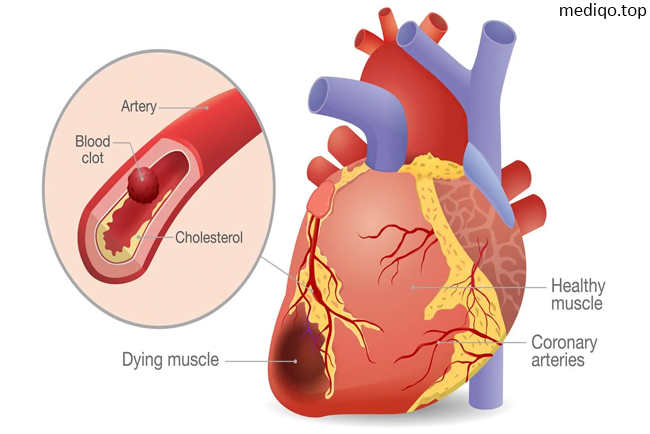
Heart disease remains the leading cause of death among women globally. However, many women are unaware of the subtle signs that may indicate a heart attack. Recognizing these symptoms early can be life-saving.


Understanding Heart Attack Symptoms in Women

While chest pain is a common symptom of a heart attack, women often experience different or additional signs. These can include:

  • Chest Discomfort: Pressure, squeezing, or fullness in the chest.
  • Pain in Other Areas: Discomfort in one or both arms, back, neck, jaw, or stomach.
  • Shortness of Breath: With or without chest discomfort.
  • Nausea or Vomiting: Often mistaken for indigestion.
  • Sweating: Cold sweat or clammy skin.
  • Fatigue: Unusual tiredness or weakness.

These symptoms may occur suddenly or gradually and can vary in intensity.


Risk Factors Specific to Women

Certain factors can increase a woman’s risk of heart disease, including:

  • Age: Risk increases after menopause.
  • Pregnancy-Related Conditions: Preeclampsia or gestational diabetes.
  • Autoimmune Diseases: Conditions like lupus or rheumatoid arthritis.
  • Mental Health: High levels of stress or depression.

It’s essential to discuss these factors with a healthcare provider to assess personal risk.


What to Do If You Suspect a Heart Attack

If you experience any of the above symptoms, it’s crucial to act quickly:

  1. Call Emergency Services: Dial your local emergency number immediately.
  2. Chew Aspirin: If not allergic, chew a 300mg aspirin to help thin the blood.
  3. Stay Calm: Rest and avoid exertion while waiting for medical help.

Prompt medical attention can significantly improve outcomes.


Prevention and Lifestyle Changes

Adopting a heart-healthy lifestyle can reduce the risk of heart disease:

  • Healthy Diet: Focus on fruits, vegetables, whole grains, and lean proteins.
  • Regular Exercise: Aim for at least 150 minutes of moderate activity per week.
  • Avoid Smoking: Eliminate tobacco use to improve heart health.
  • Manage Stress: Practice relaxation techniques like meditation or yoga.
  • Regular Check-ups: Monitor blood pressure, cholesterol, and blood sugar levels.

These lifestyle changes can help maintain a healthy heart and prevent cardiovascular events.


Heart disease in women often presents with atypical symptoms, making awareness and early recognition vital. Understanding the signs, knowing personal risk factors, and seeking prompt medical attention can save lives. Prioritize heart health and consult with healthcare providers regularly to stay informed and protected.