Physical Address
304 North Cardinal St.
Dorchester Center, MA 02124
Physical Address
304 North Cardinal St.
Dorchester Center, MA 02124

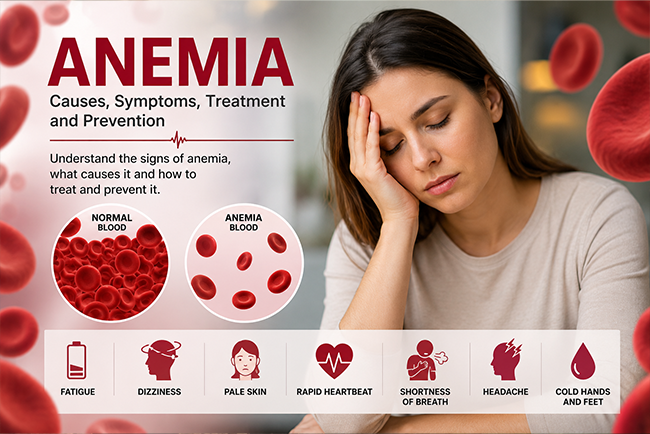
Anemia is one of the most common blood disorders worldwide. It occurs when your body does not have enough healthy red blood cells or hemoglobin to carry oxygen efficiently. As a result, people with anemia often feel tired, weak, and short of breath. Fortunately, many cases can be treated with proper nutrition, supplements, or medical care.
Understanding the symptoms and causes of anemia can help you seek treatment early and prevent serious health complications.
Anemia is a condition in which the number of red blood cells or the amount of hemoglobin in the blood is lower than normal. Hemoglobin is the protein responsible for transporting oxygen from the lungs to the rest of the body.
Without enough oxygen, your organs and muscles cannot function at their best. Consequently, you may experience fatigue and reduced physical performance.
The symptoms of anemia can range from mild to severe depending on the underlying cause.
Common signs include:
If symptoms become severe or develop suddenly, consult a healthcare provider immediately.
Read More>>Preeclampsia: Symptoms, Causes, Risks, and Treatment During Pregnancy
Several conditions can lead to anemia. The most common causes include:
Iron deficiency is the leading cause of anemia. It may result from poor diet, heavy menstrual bleeding, pregnancy, or blood loss from the digestive tract.
A lack of vitamin B12 or folate can reduce red blood cell production.
Kidney disease, cancer, rheumatoid arthritis, and chronic infections can interfere with healthy blood cell production.
Injuries, surgery, stomach ulcers, or internal bleeding may cause significant blood loss and trigger anemia.
Inherited disorders such as sickle cell disease and thalassemia can also cause anemia.
Doctors usually diagnose anemia through:
Early diagnosis allows for more effective treatment.
Treatment depends on the cause of anemia.
Common treatments include:
Never begin iron supplements without medical advice, as excessive iron can be harmful.
Read More>>Jay-Z Opens Yankee Stadium Residency With Legendary ‘Reasonable Doubt’ Celebration
A healthy diet plays a major role in preventing anemia.
Include foods such as:
Combining iron-rich foods with vitamin C can increase iron absorption naturally.
Many types of anemia are preventable through healthy lifestyle choices.
Helpful prevention tips include:
Anemia is a common but treatable condition that affects millions of people worldwide. Recognizing early symptoms, eating a nutrient-rich diet, and seeking medical advice when necessary can significantly improve your health. If you experience ongoing fatigue, weakness, or other symptoms of anemia, consult your healthcare provider for proper diagnosis and personalized treatment.