Physical Address
304 North Cardinal St.
Dorchester Center, MA 02124
Physical Address
304 North Cardinal St.
Dorchester Center, MA 02124

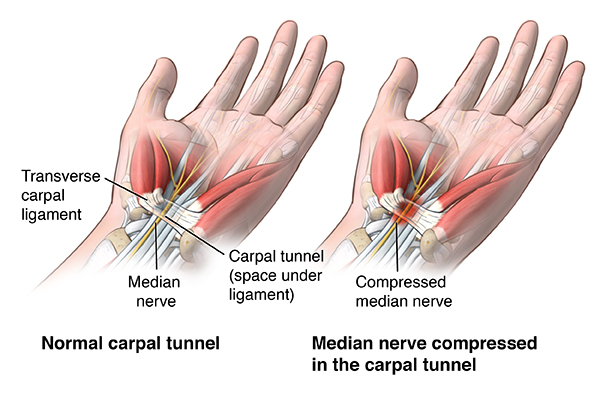
Carpal tunnel syndrome is a common condition that causes pain, numbness, and tingling in the hand due to pressure on the median nerve in the wrist. When symptoms become severe or do not improve with non-surgical treatments, surgery may be recommended. If you are considering this procedure, you may wonder: what should you expect before and after carpal tunnel syndrome surgery? This guide will walk you through the process, from preparation to recovery, so you can feel more confident about your treatment.
Before surgery, your doctor will perform a physical exam and may order tests such as nerve conduction studies or electromyography. These confirm the diagnosis and ensure surgery is the right choice.
You may be asked to:
There are two main approaches:
Both methods aim to release the median nerve, but your surgeon will recommend the best option for you.
read about>>Can a Herniated Disc Heal?
Surgery is usually performed on an outpatient basis, meaning you can go home the same day. Your wrist and hand may be bandaged, and you may experience mild swelling, bruising, or soreness.
Over-the-counter pain relievers are often enough to manage discomfort. Keeping your hand elevated and applying ice packs can help reduce swelling.
Most people notice improvement in symptoms like numbness and tingling within a few weeks. Full recovery may take 6–12 weeks, depending on the severity of your condition and the type of surgery performed. Some patients may experience longer recovery if their symptoms were severe before surgery.
Your doctor will schedule follow-up appointments to check the healing process, remove stitches if needed, and monitor your progress.
Carpal tunnel surgery has a high success rate, with most patients experiencing significant relief from symptoms. However, some mild soreness or weakness may persist for several months. To maintain long-term hand health:
If you’re considering surgery for carpal tunnel syndrome, knowing what to expect before and after the procedure can ease anxiety and help you prepare for a smoother recovery. With proper care, most people regain normal hand function and experience long-lasting relief from pain and numbness.
Always consult your healthcare provider to determine the best treatment plan for your specific condition.