Physical Address
304 North Cardinal St.
Dorchester Center, MA 02124
Physical Address
304 North Cardinal St.
Dorchester Center, MA 02124
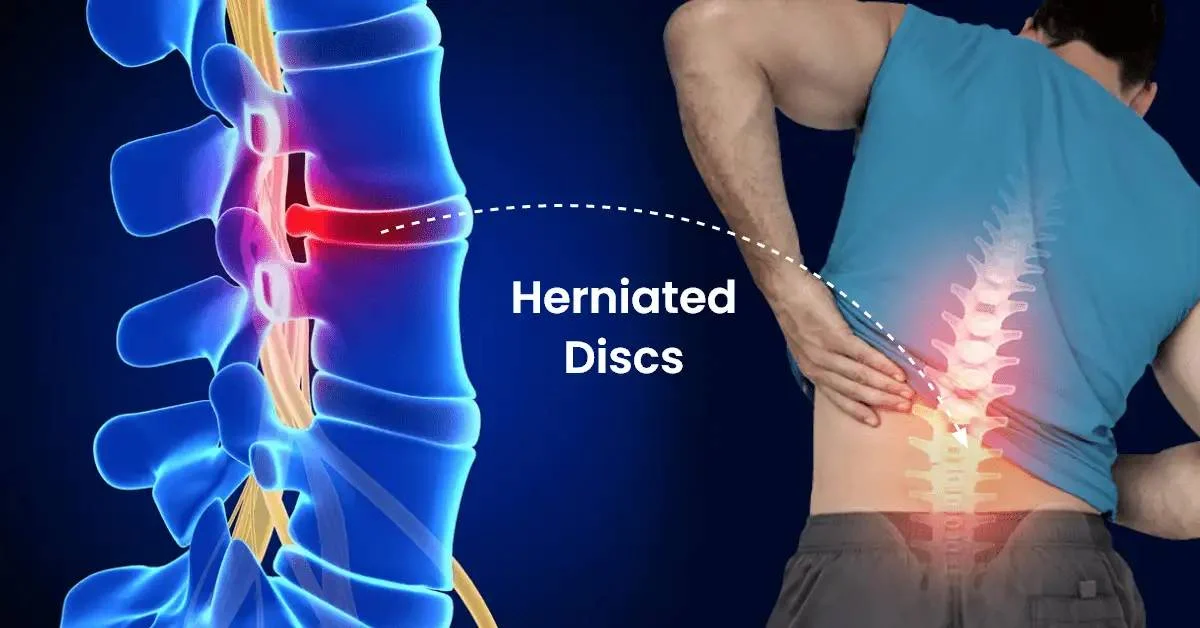
Back pain is one of the most common health problems worldwide, and a herniated disc is often the culprit. When the soft cushion between spinal bones slips out of place or ruptures, it can press on nearby nerves, causing pain, numbness, or weakness. If you’ve been diagnosed with this condition, you might be wondering: can a herniated disc heal? The good news is that in many cases, yes—a herniated disc can improve with time, proper care, and lifestyle adjustments.
Your spine is made up of vertebrae cushioned by discs. These discs act as shock absorbers, protecting the spine during movement. A herniated disc occurs when the soft inner portion pushes out through a tear in the outer layer. This can irritate surrounding nerves, leading to symptoms such as:
Yes, in many cases a herniated disc can heal without surgery. The body may naturally reabsorb the disc material over time, reducing pressure on the nerves. Additionally, inflammation often decreases gradually, leading to symptom relief.
Most people experience significant improvement within 6–12 weeks of conservative treatment. However, healing time varies depending on age, overall health, and the severity of the herniation.
read about>>Is Fibromyalgia a Disability?
Avoid heavy lifting and movements that trigger pain. At the same time, too much bed rest can slow healing. Gentle activity is usually better than complete inactivity.
Over-the-counter pain relievers such as ibuprofen or acetaminophen can reduce discomfort. In more severe cases, doctors may prescribe stronger medications or muscle relaxants.
A physical therapist can guide you through exercises that strengthen core muscles, improve posture, and relieve pressure on the spine.
Applying ice can reduce inflammation in the first few days, while heat can ease stiffness and promote blood flow later in recovery.
For persistent pain, doctors may recommend steroid injections to reduce nerve inflammation and provide temporary relief.
While most herniated discs heal without surgery, some cases require medical intervention. Surgery may be considered if:
Common procedures include a discectomy (removal of the herniated portion) or spinal fusion in more complex cases.
Healing doesn’t stop at medical treatment. These lifestyle habits can speed recovery and prevent future disc problems:
So, can a herniated disc heal? In many cases, yes—it can improve naturally with time and conservative care. Non-surgical treatments such as rest, physical therapy, and medication often lead to recovery within weeks to months. For more severe cases, surgery may be necessary, but most patients find relief without it.
If you’re experiencing ongoing pain, numbness, or weakness, consult a healthcare provider. With proper care and healthy lifestyle habits, you can support healing and reduce the risk of future spinal problems.