Physical Address
304 North Cardinal St.
Dorchester Center, MA 02124
Physical Address
304 North Cardinal St.
Dorchester Center, MA 02124
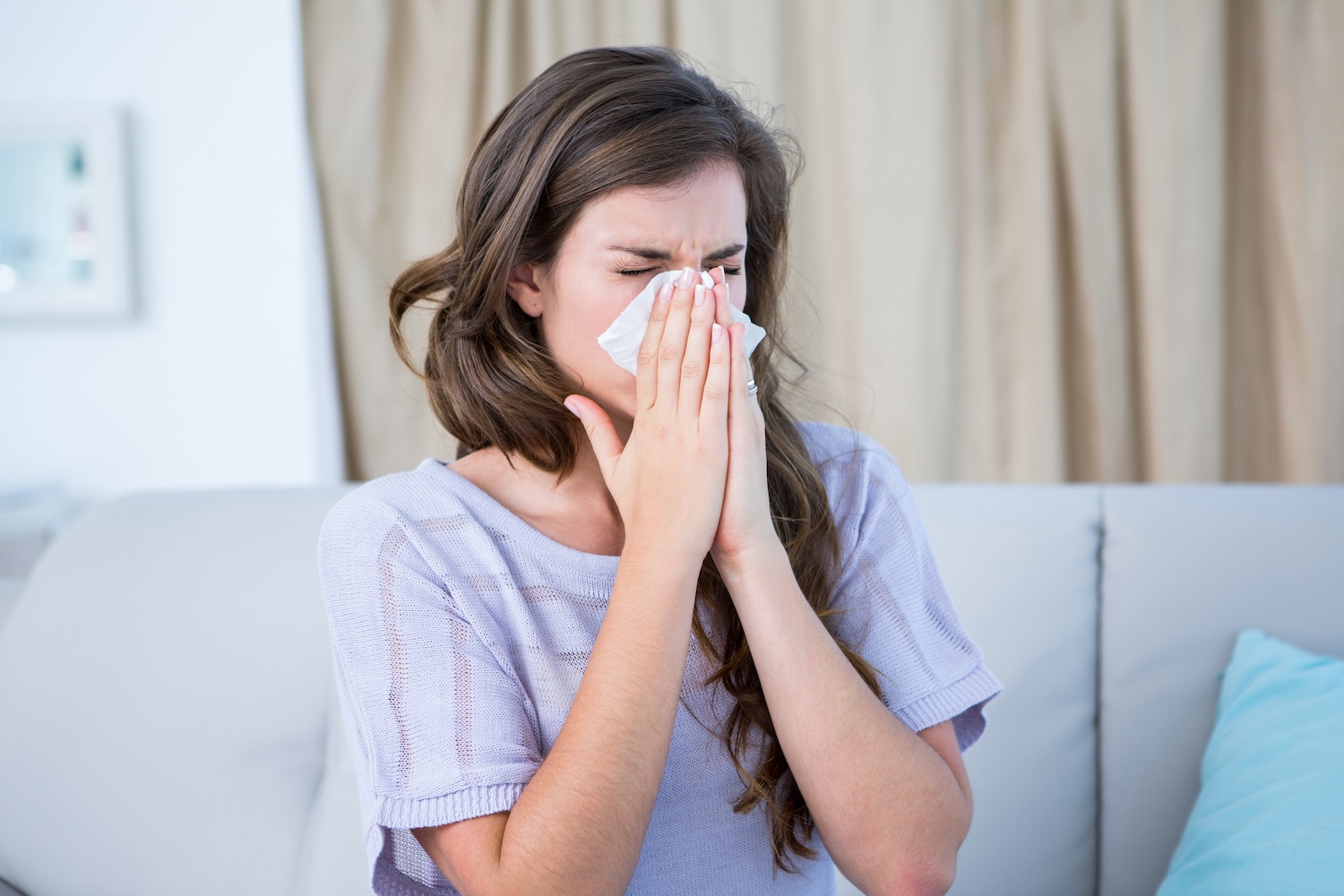
Many people experience allergies each year, often with symptoms like sneezing, congestion, and watery eyes. But when you notice a lump or tenderness in your neck or under your jaw, you might wonder — can allergies cause swollen lymph nodes? Understanding the link between allergies and lymph node swelling can help you know when it’s normal and when to seek medical advice.
Lymph nodes are small, bean-shaped glands that play a vital role in your immune system. They are found throughout your body, including your neck, armpits, and groin. Their job is to filter harmful substances such as bacteria, viruses, and toxins from your bloodstream.
When your body detects a threat, your lymph nodes produce white blood cells to fight infection. This process can cause them to swell — a condition known as lymphadenopathy.
read about>>Itchy Throat Remedies
In most cases, allergies do not directly cause swollen lymph nodes. However, they can indirectly lead to mild swelling or tenderness. When your immune system reacts to allergens like pollen, pet dander, or dust mites, it becomes overactive. This triggers inflammation and the release of histamines, which can sometimes make nearby lymph nodes work harder.
While this response is not the same as a true infection, it can make your lymph nodes feel slightly enlarged or sensitive.
If your lymph nodes are noticeably swollen or painful, other factors may be responsible. Common causes include:
If your lymph nodes swell slightly during allergy season and there are no other symptoms like fever or pain, allergies may play a role. Additional allergy-related symptoms may include:
If these symptoms occur alongside mild lymph node tenderness, allergies are likely contributing to the discomfort.
However, if the swelling is painful, hard, or lasts more than two weeks, you should consult a healthcare provider. This could signal an infection or another medical issue that requires treatment.
If allergies are indirectly causing lymph node irritation, treating the allergy is key. Here are effective management tips:
Over-the-counter antihistamines can reduce allergic reactions and inflammation.
Drinking plenty of water helps flush out irritants and supports your immune system.
Identify allergens like pollen, pet hair, or dust and limit your exposure.
Saline sprays and steroid nasal sprays can relieve congestion and reduce sinus-related lymph node irritation.
Give your body time to recover. If swelling persists or increases, seek medical advice.
You should contact a healthcare provider if:
Persistent swelling is not typical of allergies and should be evaluated to rule out infections or other serious conditions.
So, can allergies cause swollen lymph nodes? The answer is — rarely, and only indirectly. Allergies may trigger mild swelling due to immune system activity, but significant enlargement usually points to infection or another health issue.
If you experience swollen lymph nodes along with severe symptoms or lasting pain, consult a doctor for proper diagnosis and treatment. Managing your allergies and supporting your immune system can help prevent future discomfort and maintain overall health.