Physical Address
304 North Cardinal St.
Dorchester Center, MA 02124
Physical Address
304 North Cardinal St.
Dorchester Center, MA 02124

Asthma is a chronic respiratory condition that affects both children and adults. Many people wonder whether asthma is permanent or if it can disappear over time. While symptoms may improve or even stop for some individuals, the medical reality is more nuanced. Understanding asthma remission, age-related changes, and long-term management is essential for anyone living with this condition.
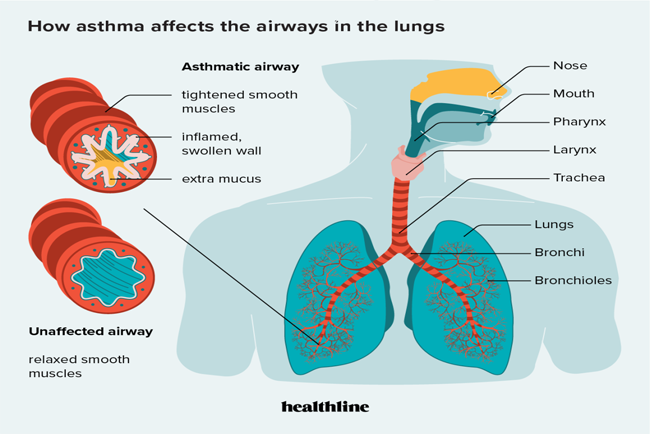
Asthma causes inflammation and narrowing of the airways, making breathing difficult at times. Common symptoms include wheezing, coughing, chest tightness, and shortness of breath. These symptoms often worsen when exposed to triggers such as allergens, exercise, cold air, smoke, or respiratory infections.
Although asthma is considered a long-term condition, its severity and activity level can change throughout a person’s life.
Many children diagnosed with asthma experience fewer symptoms as they grow older. In mild cases, breathing problems may become rare or stop entirely during adolescence or early adulthood. This improvement is often linked to lung development and reduced airway sensitivity.
However, doctors usually describe this as remission, not a cure. The underlying airway sensitivity may still exist, and symptoms can return later in life—especially during illness, pregnancy, or exposure to strong triggers.
Read More>>Understanding Hypertension Headache
Asthma that begins in adulthood is less likely to go into remission. Adult asthma often requires ongoing treatment, even if symptoms are well controlled. Some adults may experience long symptom-free periods, but the condition can still flare up unexpectedly.
With proper medical care, many adults successfully manage asthma and maintain an active, healthy lifestyle.
Several elements influence whether asthma symptoms lessen over time:
As a result, people who follow their treatment plan closely often experience better long-term outcomes.
At present, there is no permanent medical cure for asthma. However, modern treatments are highly effective. Preventive inhalers, quick-relief medications, and trigger avoidance allow most individuals to live normally with minimal symptoms.
Early diagnosis and proper treatment can also reduce long-term airway damage.
Even when symptoms seem inactive, continued care is important:
Consequently, long-term control becomes much easier and flare-ups less frequent.
Asthma may become inactive for some people, especially those diagnosed in childhood. However, for most individuals, it remains a manageable long-term condition rather than one that completely disappears. The key is consistent treatment, awareness, and preventive care.
With the right approach, asthma does not have to limit your life—you can breathe easier and stay in control.
Read More>>The Beast of Mossy Bottom