Physical Address
304 North Cardinal St.
Dorchester Center, MA 02124
Physical Address
304 North Cardinal St.
Dorchester Center, MA 02124

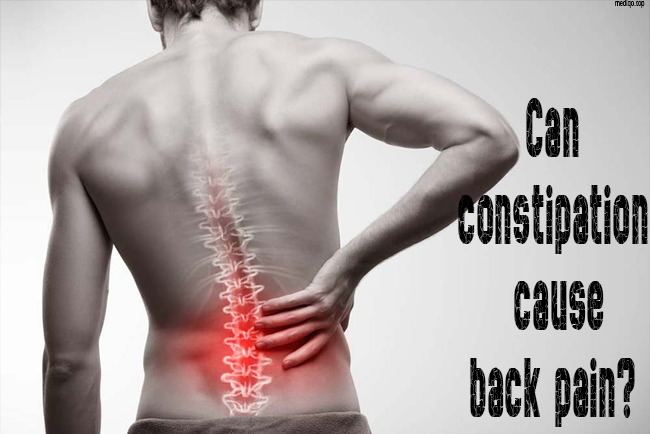
Constipation is a common digestive issue that affects people of all ages. Many individuals also experience lower back pain at the same time. These two symptoms may seem unrelated, yet they are often connected. The large intestine sits close to the lower back, and pressure from backed-up stool can create discomfort. This pressure may push on surrounding nerves and muscles, which can lead to noticeable pain.
When stool becomes hard or slow to move, it builds up inside the colon. The colon expands when it holds too much waste. This expansion increases internal pressure. As the lower intestine becomes stretched, the surrounding tissues can feel stressed. The lower back muscles and nerves may react to this stress. This reaction can trigger mild or even sharp pain in the back.
Read more >> Can Dry Eyes Cause Blindness?
Several factors explain why the back begins to hurt. First, straining during bowel movements affects the muscles in the lower back. Regular straining makes these muscles tighten. Tight muscles often produce discomfort. Second, the buildup of stool may irritate nerves in the pelvic region. These nerves connect to the lower back. When they are irritated, the pain may spread upward.
Read more >> Akhanda 2 – A Powerful Blend of Innocence, Nature, and Spiritual Strength
Certain signs can help identify constipation-related back pain. You may notice fewer bowel movements than usual. Hard and dry stools are also common. A feeling of incomplete emptying often appears. Bloating and abdominal cramps may occur as well. If the back pain decreases after a successful bowel movement, the constipation is likely the cause.
Not all back pain comes from constipation. Kidney infections, spinal issues, and muscle injuries can produce similar discomfort. Severe or long-lasting pain should not be ignored. If the pain is paired with fever, vomiting, or blood in the stool, medical attention is needed. These symptoms suggest a different problem that requires proper diagnosis.
You can often ease the discomfort with simple lifestyle changes. Drinking more water helps soften the stool. Eating fiber-rich foods, such as vegetables, whole grains, and fruits, improves bowel movement speed. Light physical activity encourages digestion. A warm bath may relax tight back muscles. Over-the-counter stool softeners sometimes help, but they should not be used daily without medical advice.
Healthy routines reduce the chance of constipation returning. Regular meals help maintain stable digestion. A balanced diet with enough fiber supports smooth bowel movements. Staying active keeps the digestive system functioning well. Responding to your body’s natural urge to pass stool is important. Delaying bowel movements makes constipation more likely. Good bathroom posture, such as raising the knees slightly, may also help.
If constipation continues for weeks, a doctor should be consulted. Persistent back pain also deserves attention. A medical professional can rule out more serious conditions. They may recommend specific treatments or tests. Chronic constipation may need prescription medicine. In rare cases, it may signal digestive disorders that require expert care.
Constipation can cause back pain due to internal pressure, muscle strain, and nerve irritation. The discomfort often improves once normal bowel movements return. Healthy eating habits, hydration, and exercise play major roles in prevention. However, severe symptoms should never be ignored. Early attention ensures proper treatment and lasting relief.