Physical Address
304 North Cardinal St.
Dorchester Center, MA 02124
Physical Address
304 North Cardinal St.
Dorchester Center, MA 02124

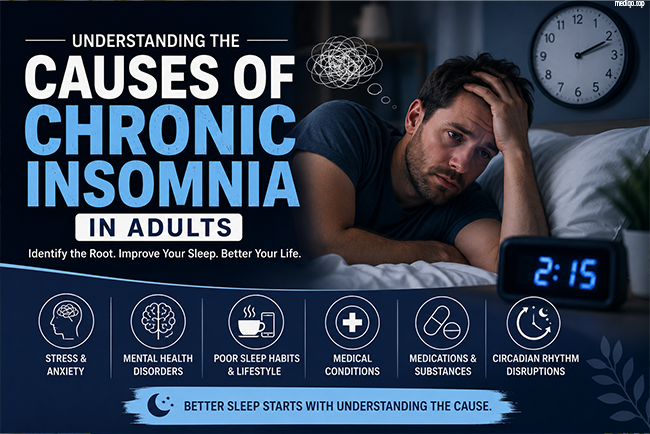
Chronic insomnia is one of the most common sleep disorders affecting adults worldwide. It goes beyond the occasional restless night. People with chronic insomnia struggle to fall asleep, stay asleep, or wake up too early at least three nights each week for three months or longer. Poor sleep can reduce energy, weaken concentration, affect emotional health, and increase the risk of serious medical conditions. Understanding the causes of chronic insomnia in adults is the first step toward better sleep and improved overall health.
Chronic insomnia is a long-term sleep disorder that interferes with normal sleep patterns. Unlike temporary insomnia caused by short-term stress or travel, chronic insomnia continues for months and often requires medical attention. Adults with this condition may experience daytime fatigue, irritability, memory problems, reduced work performance, and difficulty concentrating.
Stress is one of the most common causes of chronic insomnia in adults. Financial worries, relationship conflicts, work pressure, or family responsibilities can keep the brain active long after bedtime. Anxiety disorders often make it difficult to relax, causing racing thoughts that delay sleep.
People with chronic stress frequently experience higher levels of stress hormones, making it harder for the body to enter a restful sleep cycle. Over time, poor sleep and anxiety can create a cycle that becomes difficult to break.
Mental health plays a major role in sleep quality. Depression can cause early morning awakening, frequent nighttime waking, or excessive sleeping in some individuals. Anxiety disorders, post-traumatic stress disorder (PTSD), and panic disorder also increase the likelihood of chronic insomnia.
Many adults notice that poor sleep worsens their mood, while depression and anxiety further reduce sleep quality. Treating both conditions together often leads to better outcomes.
Read more >> Alzheimer’s Disease Early Symptoms Checklist: Know the Warning Signs Early
Daily habits strongly influence sleep quality. Irregular bedtime schedules, excessive screen time before bed, frequent daytime naps, and consuming caffeine late in the day can interfere with healthy sleep.
Alcohol may help some people fall asleep faster, but it often disrupts deep sleep later in the night. Smoking also affects sleep because nicotine acts as a stimulant. Improving sleep hygiene can significantly reduce insomnia symptoms in many adults.
Several chronic health conditions contribute to long-term insomnia. Persistent pain from arthritis, back pain, migraines, or fibromyalgia can make comfortable sleep difficult. Breathing disorders such as sleep apnea often cause repeated nighttime awakenings.
Other conditions linked to chronic insomnia include asthma, acid reflux, thyroid disorders, heart disease, Parkinson’s disease, and diabetes. Proper management of these medical conditions often improves sleep quality.
Certain prescription and over-the-counter medications may interfere with sleep. Some antidepressants, corticosteroids, blood pressure medications, asthma treatments, and stimulant medications can make falling asleep more difficult.
Adults should never stop taking prescribed medication without consulting their healthcare provider. A doctor may adjust the dosage or recommend an alternative treatment if insomnia becomes a concern.
Hormonal fluctuations can affect sleep throughout adulthood. Women commonly experience insomnia during pregnancy, menopause, and the menstrual cycle due to changing hormone levels. Hot flashes and night sweats during menopause often interrupt sleep.
Older adults also experience natural changes in sleep patterns. Deep sleep decreases with age, making nighttime awakenings more common. However, chronic insomnia should never be considered a normal part of aging.
The body’s internal clock controls sleep and wake cycles. Shift work, frequent international travel, and inconsistent sleep schedules can disrupt the circadian rhythm. Adults who work overnight shifts or rotate schedules often struggle with chronic insomnia because their sleep cycle no longer matches natural daylight patterns.
Maintaining a consistent bedtime and limiting nighttime light exposure can help restore a healthier sleep rhythm.
Ignoring chronic insomnia can lead to serious health consequences. Long-term sleep deprivation increases the risk of high blood pressure, obesity, heart disease, diabetes, depression, and weakened immune function. It also raises the chances of workplace accidents and motor vehicle crashes due to reduced alertness.
Seeking medical advice early helps identify the underlying cause and allows for appropriate treatment before complications develop.
Many adults benefit from simple lifestyle changes that support healthy sleep. Maintaining a regular sleep schedule, limiting caffeine after midday, reducing screen exposure before bed, exercising regularly, and creating a quiet, dark bedroom can improve sleep quality.
If insomnia persists despite healthy habits, cognitive behavioral therapy for insomnia (CBT-I) is considered one of the most effective long-term treatments. Healthcare providers may also recommend medication when appropriate, depending on the underlying cause.
The causes of chronic insomnia in adults are often complex and involve a combination of psychological, medical, lifestyle, and environmental factors. Identifying the underlying reason for persistent sleep problems is essential for successful treatment. Healthy sleep habits, proper medical care, and early intervention can significantly improve sleep quality and overall well-being. If insomnia continues for several months or affects daily life, consulting a qualified healthcare professional is the best step toward restoring healthy, restful sleep.