Physical Address
304 North Cardinal St.
Dorchester Center, MA 02124
Physical Address
304 North Cardinal St.
Dorchester Center, MA 02124

Chemotherapy plays a vital role in cancer treatment. It uses powerful drugs to destroy fast-growing cancer cells. However, these drugs can also affect healthy cells. This process often leads to various chemotherapy side effects. Understanding these effects helps patients prepare mentally and physically. It also allows them to take proper preventive steps. Doctors monitor patients closely to manage symptoms effectively.
Chemotherapy targets rapidly dividing cells. Cancer cells divide quickly, so chemotherapy focuses on stopping their growth. Unfortunately, some healthy cells also divide rapidly. These include hair follicles, digestive tract lining, and bone marrow cells. When chemotherapy affects these healthy cells, side effects occur. The severity depends on the drug type, dosage, and individual health. Each patient may experience different reactions.
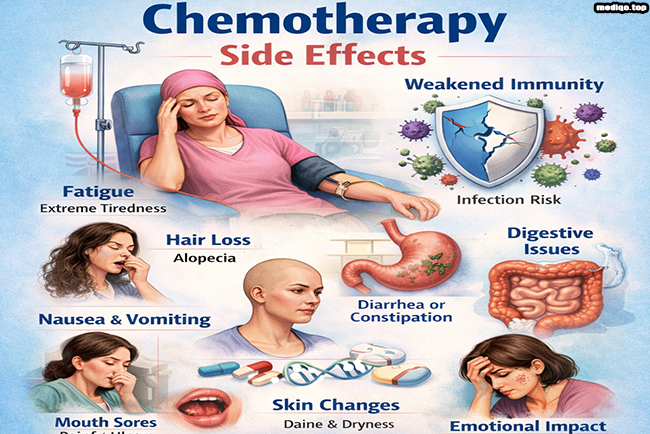
Fatigue is one of the most common chemotherapy side effects. Patients often feel extreme tiredness. This fatigue does not improve with rest alone. Chemotherapy reduces red blood cell production. Lower red blood cells decrease oxygen delivery. This condition causes weakness and exhaustion. Proper nutrition and light exercise can help improve energy levels. Adequate sleep also supports recovery.
Hair loss, also called alopecia, is a well-known side effect. Chemotherapy damages hair follicle cells. Hair may thin gradually or fall out quickly. This effect can involve scalp hair, eyebrows, and eyelashes. Hair usually grows back after treatment ends. Skin changes may also appear. Patients may notice dryness, sensitivity, or discoloration. Gentle skincare routines help protect the skin.
Chemotherapy often affects the digestive system. Nausea and vomiting are common symptoms. These effects can begin soon after treatment. Some patients experience delayed nausea. Doctors often prescribe anti-nausea medications. Eating small meals helps reduce discomfort. Avoiding spicy or greasy foods may also help. Staying hydrated is very important during treatment.
Chemotherapy can reduce white blood cell production. White blood cells protect the body from infection. When levels drop, infection risk increases. Even minor infections can become serious. Patients should avoid crowded places during treatment. Proper hygiene reduces infection risk. Doctors may recommend medications to boost white blood cell production.
Chemotherapy may damage cells in the mouth lining. This damage can cause mouth sores and irritation. Patients may feel pain while eating or swallowing. Appetite loss often occurs as a result. Soft foods are easier to consume. Drinking plenty of fluids helps maintain hydration. Doctors may suggest special mouth rinses to reduce discomfort.
Chemotherapy affects digestive system function. Some patients develop diarrhea. Others experience constipation. These problems depend on the chemotherapy drug. Digestive side effects can cause discomfort and dehydration. Eating fiber-rich foods may help constipation. Drinking water supports healthy digestion. Doctors may prescribe medications when necessary.
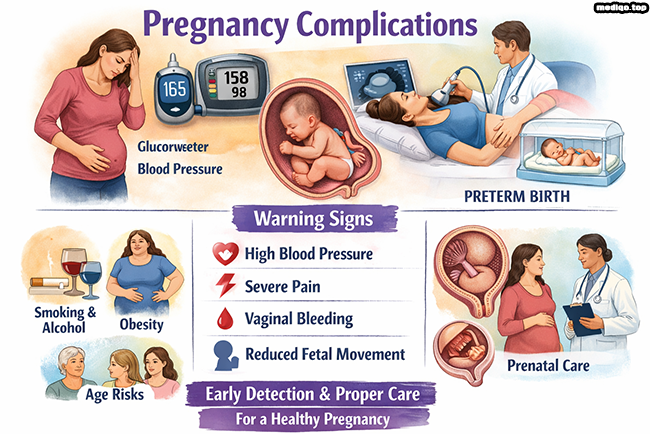
Read more >> Pregnancy Complications: Causes, Warning Signs, Prevention and Treatment
Chemotherapy also affects emotional health. Patients may experience anxiety, stress, or depression. Physical weakness and treatment stress contribute to these feelings. Emotional support plays an important role in recovery. Family support improves mental well-being. Counseling and support groups can help patients cope better.
Some chemotherapy side effects appear later. These include nerve damage, fertility problems, or heart issues. Not all patients experience these effects. Doctors carefully select drugs to reduce long-term risks. Regular medical follow-ups help detect complications early. Early detection improves treatment outcomes.
Proper care helps reduce chemotherapy side effects. Patients should follow their doctor’s instructions carefully. Healthy nutrition supports body strength. Regular hydration improves recovery. Light physical activity helps maintain energy levels. Patients should report new symptoms immediately. Early treatment prevents complications.
Chemotherapy side effects can be challenging. However, modern treatments offer better symptom control. Doctors use supportive care to reduce discomfort. Most side effects improve after treatment ends. Understanding these effects helps patients prepare better. Proper medical care improves quality of life during treatment.