Physical Address
304 North Cardinal St.
Dorchester Center, MA 02124
Physical Address
304 North Cardinal St.
Dorchester Center, MA 02124

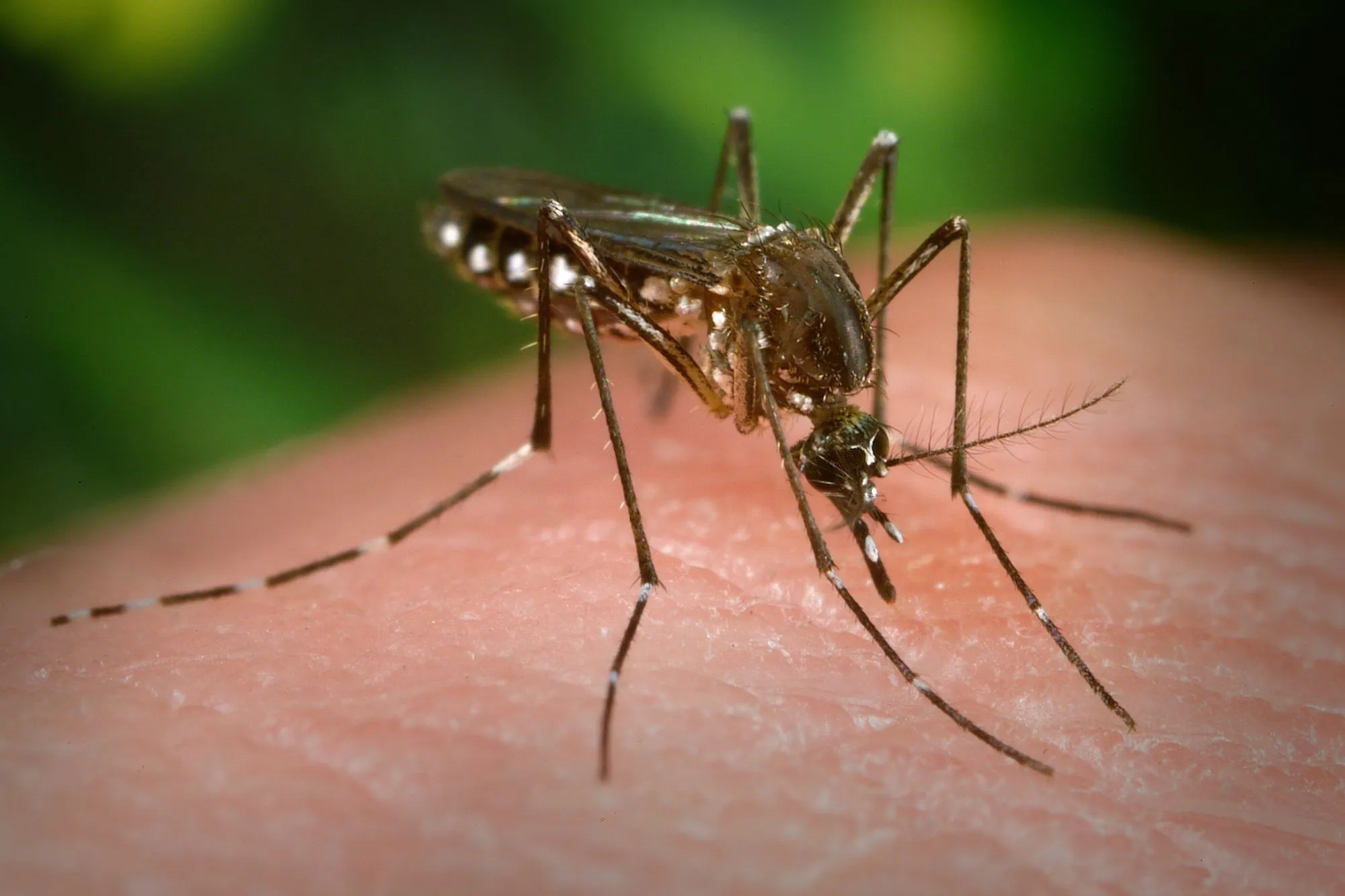
Dengue fever in Florida has become a growing health concern in recent years. With rising temperatures and increasing mosquito populations, the state has seen more locally transmitted dengue cases. Understanding the causes, symptoms, and prevention strategies is essential to protect yourself and your family.
Dengue fever is a viral infection transmitted by the Aedes aegypti mosquito, commonly found in tropical and subtropical areas. The dengue virus has four strains, and infection with one strain does not protect against the others. A second infection with a different strain can increase the risk of severe illness, known as dengue hemorrhagic fever.
Florida’s warm and humid climate provides an ideal breeding ground for mosquitoes. In recent years, local health departments have confirmed cases of dengue fever across Miami-Dade, Broward, Monroe, and Palm Beach counties. According to the Florida Department of Health, locally acquired dengue cases have increased, highlighting the importance of mosquito control and public awareness.
Health experts attribute this rise to climate change, travel-related cases, and higher mosquito activity during summer. Since dengue can spread quickly in populated areas, early detection and preventive measures are crucial for controlling outbreaks.
read about>>The Natural Healing Handbook
Symptoms usually appear four to ten days after a mosquito bite and can last up to a week. Common signs include:
Severe dengue, though rare, can cause bleeding, difficulty breathing, and organ failure. If these symptoms occur, seek medical attention immediately.
There is currently no specific antiviral treatment for dengue fever. However, most people recover with rest, hydration, and over-the-counter fever medications like acetaminophen (avoid aspirin or ibuprofen, as they may increase bleeding risk). Doctors monitor severe cases closely to prevent complications.
Staying hydrated and maintaining electrolyte balance are vital for recovery. Symptoms typically improve within one to two weeks, but fatigue can persist for several days afterward.
Since there is no widely available vaccine for dengue in the U.S., prevention focuses on avoiding mosquito bites. Here are some effective tips:
Communities can also help reduce dengue risks by reporting mosquito infestations to local authorities and supporting public health initiatives.
Dengue fever in Florida is a reminder of how changing climates and urban development affect public health. While the number of cases remains relatively low compared to tropical regions, prevention and awareness remain the best defenses.
By staying informed, eliminating mosquito breeding sites, and protecting yourself from bites, you can reduce the risk of infection and help Florida remain a safer, healthier place for everyone.




