Physical Address
304 North Cardinal St.
Dorchester Center, MA 02124
Physical Address
304 North Cardinal St.
Dorchester Center, MA 02124

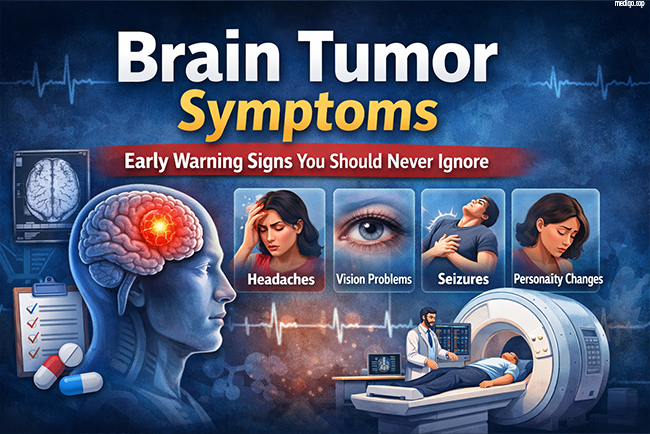
A brain tumor develops when abnormal cells grow inside the brain or nearby tissues. These tumors can be either benign (non-cancerous) or malignant (cancerous). Regardless of type, they can affect brain function because of pressure on surrounding areas. Early awareness of brain tumor symptoms helps people seek medical care sooner, which improves treatment outcomes.
Brain tumor symptoms often begin subtly and worsen over time. Persistent headaches are one of the most common signs. These headaches may feel more intense in the morning or during physical activity. Nausea and vomiting without a clear cause can also occur. Some people notice frequent dizziness or unexplained fatigue.
Vision problems are another early warning sign. Blurred vision, double vision, or loss of peripheral vision may appear gradually. These symptoms often depend on the tumor’s size and location in the brain.
As the tumor grows, it can affect how the brain functions. This may lead to memory problems, confusion, or difficulty concentrating. Many people experience changes in speech, such as slurred words or trouble finding the right terms.
Seizures are a major symptom that should never be ignored. A person who has never had seizures before should seek medical help immediately if one occurs. Balance issues and coordination problems can also develop, making walking or performing daily tasks difficult.
Brain tumors can influence emotions and behavior. Some individuals become more irritable or experience sudden mood swings. Others may show signs of depression or anxiety without a clear reason.
In certain cases, personality changes become noticeable to family members before the patient realizes them. These changes depend on which part of the brain is affected. For example, tumors in the frontal lobe often impact decision-making and behavior.
Read more >> Pancreatic Cancer Symptoms: Early Signs, Warning Signals & Diagnosis
The location of a brain tumor plays a key role in determining symptoms. Tumors in the frontal lobe may cause personality changes and difficulty with planning. Those in the temporal lobe can affect memory and hearing.
If the tumor is located in the parietal lobe, it may interfere with sensation and spatial awareness. Tumors in the occipital lobe often lead to vision problems. Brainstem tumors can affect vital functions such as breathing, swallowing, and heart rate.
It is important to seek medical attention if symptoms persist or worsen. Frequent headaches, repeated vomiting, or sudden neurological changes should not be ignored. Early diagnosis allows doctors to identify the cause and begin appropriate treatment.
Doctors may use imaging tests such as MRI or CT scans to detect tumors. A proper diagnosis helps determine the best treatment plan, which may include surgery, radiation therapy, or medication.
Early detection of brain tumor symptoms can significantly improve survival rates and quality of life. Many symptoms overlap with common health issues, which makes awareness even more important. Recognizing patterns and changes in the body can make a critical difference.
People should not panic if they experience one or two symptoms occasionally. However, consistent or worsening signs require medical evaluation. Staying informed and proactive is the best way to protect brain health.