Physical Address
304 North Cardinal St.
Dorchester Center, MA 02124
Physical Address
304 North Cardinal St.
Dorchester Center, MA 02124

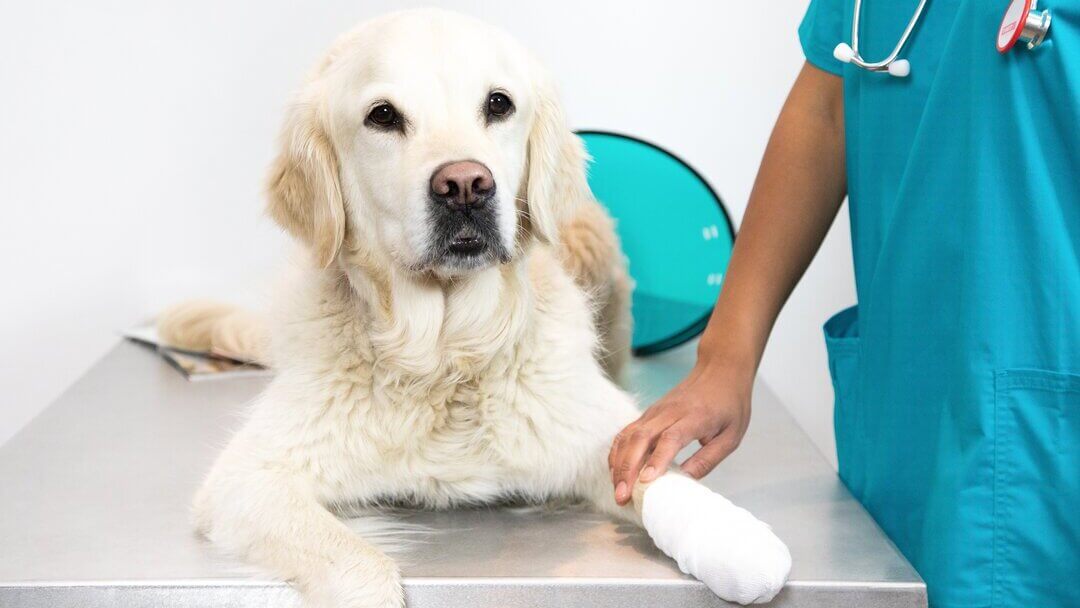
If your dog suddenly starts vomiting or has diarrhea, it could be suffering from gastroenteritis. This common condition affects the stomach and intestines, leading to inflammation and discomfort. While it can often resolve with proper care, gastroenteritis in dogs can sometimes signal a more serious issue. Understanding its causes, symptoms, and treatment options helps ensure your pet gets the care it needs.
Gastroenteritis in dogs refers to inflammation of the gastrointestinal tract, including the stomach and intestines. It can be acute (sudden and short-term) or chronic (recurrent or long-lasting). The condition usually causes vomiting, diarrhea, or both, often leading to dehydration if not treated promptly.
The inflammation can result from various factors — from diet changes to infections — and understanding the cause is key to successful recovery.
read about>>How Long Does the Typhoid Vaccine Last?
Several factors can trigger gastrointestinal inflammation in dogs:
Identifying the underlying cause helps veterinarians tailor an effective treatment plan.
The symptoms of gastroenteritis can vary, but the most common signs include:
If your dog shows these symptoms for more than 24 hours or if vomiting is severe, consult a veterinarian immediately.
Diagnosing gastroenteritis typically involves a physical examination and medical history review. Your vet may recommend tests such as:
Once diagnosed, treatment focuses on rehydration, symptom control, and addressing the cause.
Most cases of gastroenteritis respond well to supportive care, including:
Severe cases may require hospitalization, intravenous fluids, and continuous monitoring until your dog stabilizes.
Preventing gastroenteritis in dogs starts with proper diet and hygiene. Here’s how to reduce your dog’s risk:
Transitioning foods gradually and providing fresh water at all times also help maintain digestive balance.
Gastroenteritis in dogs is a manageable but uncomfortable condition. While mild cases often improve with rest and hydration, persistent symptoms require prompt veterinary attention. By understanding its causes, recognizing the signs early, and following preventive steps, you can protect your dog’s digestive health and overall well-being.




