Physical Address
304 North Cardinal St.
Dorchester Center, MA 02124
Physical Address
304 North Cardinal St.
Dorchester Center, MA 02124
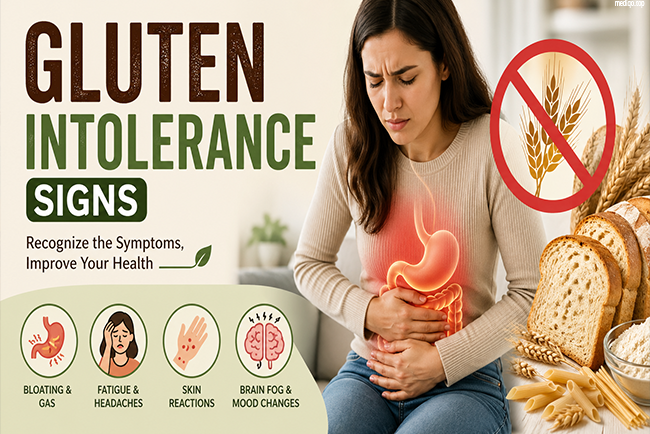
Gluten intolerance signs appear when the body reacts negatively to gluten, a protein found in wheat, barley, and rye. Many people confuse this condition with celiac disease or wheat allergy, but gluten intolerance is different. It does not always damage the small intestine like celiac disease, yet it still causes discomfort and long-term health issues if ignored.
People with this condition often experience symptoms after eating bread, pasta, cakes, or other wheat-based foods. These reactions may start within hours or appear later in the day. The severity varies from mild discomfort to significant disruption in daily life. Early recognition helps in managing the condition effectively and improving overall well-being.
Digestive issues are among the most common gluten intolerance signs. Many individuals notice bloating after meals, which creates a tight and uncomfortable feeling in the abdomen. Gas and excessive flatulence also appear frequently.
Diarrhea or constipation may occur as the digestive system struggles to process gluten properly. Some people experience stomach cramps that range from mild to severe. Nausea can also develop shortly after eating gluten-containing foods.
These symptoms often get mistaken for general digestive upset or irritable bowel syndrome (IBS). However, if they consistently appear after gluten consumption, it may indicate gluten intolerance. Tracking food intake helps identify patterns and triggers more accurately.
Gluten intolerance does not only affect the stomach. Many non-digestive symptoms also appear and often confuse people. One of the most common signs is persistent fatigue. Even after a full night of sleep, individuals may feel exhausted and low on energy.
Headaches or frequent migraines can also develop after consuming gluten. Some people report a “brain fog” sensation, which affects concentration and mental clarity. This can make daily tasks feel more difficult than usual.
Mood changes are another important sign. Anxiety, irritability, or mild depression may appear without a clear cause. These symptoms improve when gluten is removed from the diet, which helps confirm sensitivity.
Read more >> Lactose Intolerance Symptoms: Signs, Causes, and Relief Tips
Skin-related issues are also common gluten intolerance signs. Some individuals develop rashes, eczema-like patches, or itchy skin after eating gluten. These reactions may appear on different parts of the body and often come and go.
In some cases, tingling sensations or numbness in hands and feet occur. This happens due to inflammation affecting the nervous system. Muscle pain and joint discomfort can also develop, making the condition feel similar to other chronic illnesses.
These symptoms are often overlooked because they do not seem directly linked to food. However, consistent patterns after gluten intake should not be ignored.
It is important to understand the difference between gluten intolerance and celiac disease. Celiac disease is an autoimmune disorder that damages the small intestine when gluten is consumed. Gluten intolerance does not cause this damage but still leads to discomfort and systemic symptoms.
Doctors usually diagnose celiac disease through blood tests and intestinal biopsies. Gluten intolerance diagnosis is more challenging because there is no specific medical test. Instead, elimination diets are often used to identify the condition.
People should not self-diagnose without guidance. A healthcare professional can help rule out other conditions and ensure proper dietary changes.
Managing gluten intolerance signs mainly involves dietary adjustments. The most effective approach is reducing or completely removing gluten from the diet. This includes avoiding wheat-based products like bread, noodles, and processed snacks.
Replacing gluten foods with alternatives such as rice, quinoa, and gluten-free oats can improve symptoms significantly. Reading food labels is also important, as gluten often hides in sauces, seasonings, and packaged foods.
Staying consistent with a gluten-free or low-gluten diet helps reduce symptoms over time. Many people notice improved digestion, better energy levels, and clearer thinking within a few weeks. Regular monitoring and balanced nutrition support long-term health and comfort.