Physical Address
304 North Cardinal St.
Dorchester Center, MA 02124
Physical Address
304 North Cardinal St.
Dorchester Center, MA 02124

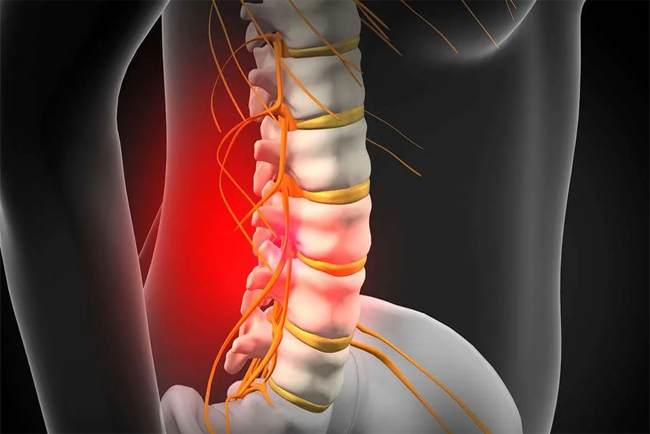
A herniated disc can cause mild to severe discomfort, but in some cases, it becomes a medical emergency. Understanding herniated disc emergency symptoms helps you act quickly and prevent long-term nerve damage. While many disc problems improve with rest and therapy, certain warning signs require immediate medical attention.
In this article, we explain the key symptoms, when to seek urgent care, and how early intervention can protect your spine health.
A herniated disc occurs when the soft inner portion of a spinal disc pushes through a tear in its tougher outer layer. This condition most commonly affects the lower back (lumbar spine) but can also occur in the neck (cervical spine). When the displaced disc presses on nearby nerves, it causes pain, numbness, or weakness.
Most cases are manageable, but herniated disc emergency symptoms signal serious nerve compression that should not be ignored.
Recognizing these critical warning signs can make a significant difference in treatment outcomes.
Sudden difficulty controlling urination or bowel movements is one of the most serious red flags. This may indicate cauda equina syndrome, a rare but severe complication. Immediate emergency care is essential to prevent permanent damage.
If you notice sudden or worsening weakness in one or both legs, seek urgent evaluation. Difficulty standing, walking, or lifting your foot can indicate nerve compression affecting motor function.
Loss of sensation around the inner thighs, buttocks, or genital area (often called saddle anesthesia) is a critical sign. This symptom frequently appears alongside other herniated disc emergency symptoms and requires immediate medical attention.
Back or neck pain that becomes severe and does not improve with rest or medication may signal worsening nerve involvement. If pain spreads rapidly down the arms or legs, contact a healthcare provider promptly.
Symptoms that worsen over hours or days—such as increasing numbness, tingling, or muscle weakness—should not be ignored. Early treatment improves recovery chances.
You should go to the emergency room immediately if you experience:
Doctors may perform imaging tests like MRI scans to confirm nerve compression. In emergency cases, surgery may be necessary to relieve pressure and protect nerve function.
Read More>>Medical Emergency Kit
Prompt treatment of herniated disc emergency symptoms can prevent permanent nerve damage. Delayed care may result in chronic pain, mobility issues, or long-term bladder and bowel problems.
Even if symptoms seem mild at first, monitor changes carefully. When in doubt, seek professional evaluation.
While not all cases are preventable, you can reduce your risk by:
Regular exercise and ergonomic adjustments can support spinal health and lower the likelihood of disc injury.
Most herniated discs respond well to conservative treatment. However, recognizing herniated disc emergency symptoms is crucial for protecting your long-term health. Sudden bladder issues, severe weakness, or numbness in the saddle area are medical emergencies that demand immediate care.
If you experience any of these warning signs, do not delay seeking medical attention. Early diagnosis and treatment significantly improve outcomes and help you return to normal activities safely.
Read More>>Lille vs FK Crvena zvezda Live Score