Physical Address
304 North Cardinal St.
Dorchester Center, MA 02124
Physical Address
304 North Cardinal St.
Dorchester Center, MA 02124

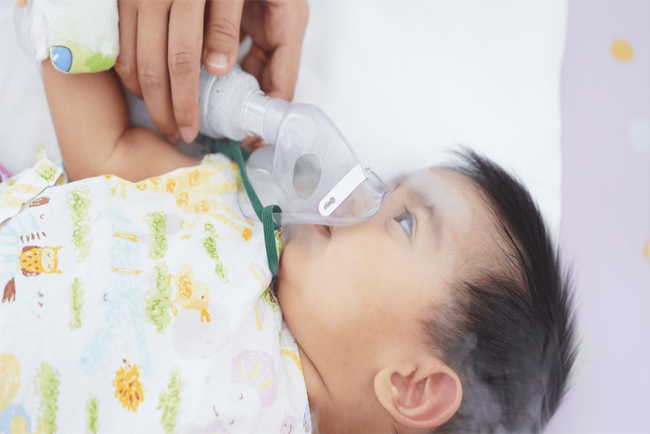
Baby chest congestion can be worrying for any parent. When your little one has trouble breathing, coughing, or seems uncomfortable, you naturally want fast relief. Although chest congestion is common during colds or viral infections, parents can safely manage symptoms at home in most mild cases. This guide explains how to get rid of baby chest congestion using simple, pediatric-approved methods.
Chest congestion happens when mucus builds up in the baby’s airways, making it difficult to breathe normally. The most common causes include:
Understanding the cause can help you manage symptoms more effectively.
There are several safe and natural ways to relieve congestion in babies. However, always check with a pediatrician if symptoms persist or worsen.
A cool-mist humidifier adds moisture to the air and helps loosen mucus. Run it in the baby’s room during sleep. Clean it regularly to prevent mold, which can make congestion worse.
Warm baths can soothe babies and help thin mucus. The steam from the bath may ease breathing temporarily. After the bath, gentle chest massage can provide added comfort.
Massage improves circulation and helps move mucus. Use circular motions on the back and chest for a few minutes. Avoid using strong essential oils, as babies are extremely sensitive.
Saline drops help thin mucus. A bulb syringe or nasal aspirator can then remove it safely. Use this method before feeding and sleep to improve comfort.
Hydration helps thin mucus and prevents dehydration. Breast milk or formula should be given frequently, especially during illness.
When babies sleep slightly elevated, congestion may reduce. Place a towel or wedge under the mattress rather than under the baby. Never use pillows directly, as they increase the risk of suffocation.
Most cough and cold medications are unsafe for infants. Using them without medical advice can cause harmful side effects. Therefore, always follow your pediatrician’s guidance before giving any medicine.
Read More>>What Food Delivery Service Pays the Most in 2025?
While most congestion is minor, look for signs that need urgent medical attention:
If your baby is under three months old, always consult a doctor when symptoms begin.
Mild baby chest congestion usually improves within 5 to 7 days. Consistent home care can speed recovery and reduce discomfort.
To reduce future episodes:
These simple steps can lower the risk of respiratory infections.
Knowing how to get rid of baby chest congestion can help you make your child more comfortable during illness. Home remedies like humidifiers, warm baths, saline drops, and proper hydration are highly effective. However, always seek medical advice if symptoms worsen or your baby appears in distress. With timely care and attention, most congestion clears up quickly and safely.
Read More>>Thread An Insidious Tale