Physical Address
304 North Cardinal St.
Dorchester Center, MA 02124
Physical Address
304 North Cardinal St.
Dorchester Center, MA 02124

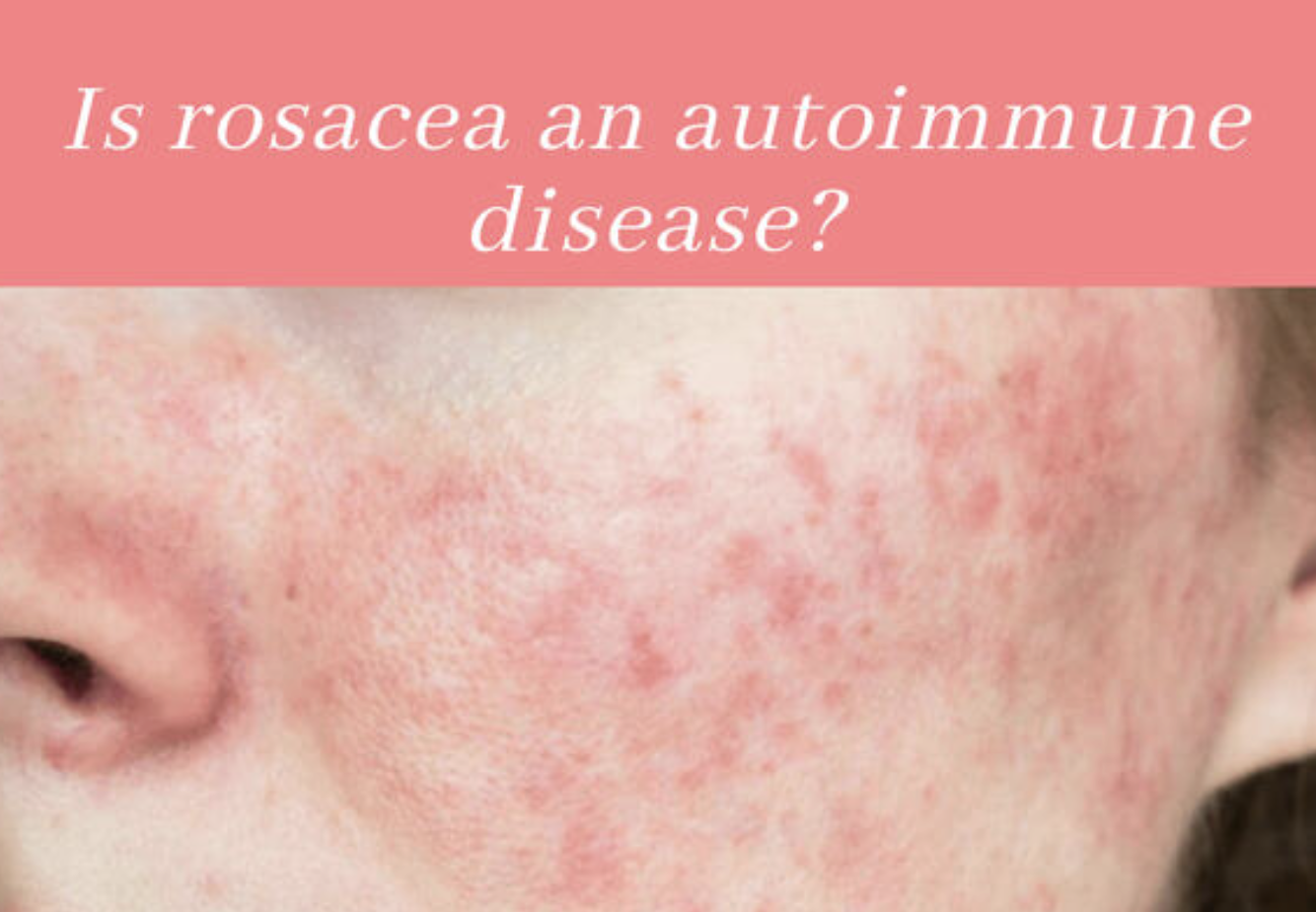
Rosacea is a chronic skin condition that causes redness, visible blood vessels, and sometimes bumps or pimples on the face. It affects millions of people worldwide, yet its exact cause remains unclear. Many people wonder: is rosacea an autoimmune disease? While rosacea shares similarities with autoimmune conditions, the answer is more complex. This article explores the possible connection, known triggers, and treatment options to better understand rosacea.
Rosacea is a long-term skin disorder that typically affects the cheeks, nose, chin, and forehead. Symptoms can include:
Rosacea tends to flare up in cycles, with periods of worsening followed by improvement. Triggers include sun exposure, stress, spicy foods, alcohol, and hot weather.
read about>>What Type of Collagen Causes Breast Cancer?
At present, rosacea is not officially classified as an autoimmune disease. Autoimmune conditions occur when the immune system mistakenly attacks healthy cells. Rosacea, however, is categorized as a chronic inflammatory skin disorder.
That said, research suggests a possible link between rosacea and autoimmune activity:
While the exact cause is unknown, several factors contribute to rosacea flare-ups:
Although rosacea has no cure, treatments can manage symptoms and reduce flare-ups. Options include:
If you notice persistent redness, bumps, or eye irritation, it’s best to consult a dermatologist. Early treatment helps prevent worsening symptoms and improves quality of life.
So, is rosacea autoimmune? While rosacea is not officially classified as an autoimmune disease, it shares characteristics with immune-related disorders and may be linked to them. The condition is best understood as a chronic inflammatory skin disorder influenced by genetics, immune activity, and environmental factors.
Managing rosacea involves a combination of medical treatments, lifestyle changes, and skincare practices. By working with a healthcare provider, you can control symptoms and keep flare-ups under control.